EyonicELV Systems
Open navigation

KTA Sarawak Sdn Bhd

CCTV and door access project for an engineering consultancy office in Kuching.

Eyonic project profile

Practical ELV support for engineering consultancy sites

CCTV and door access project for an engineering consultancy office in Kuching.

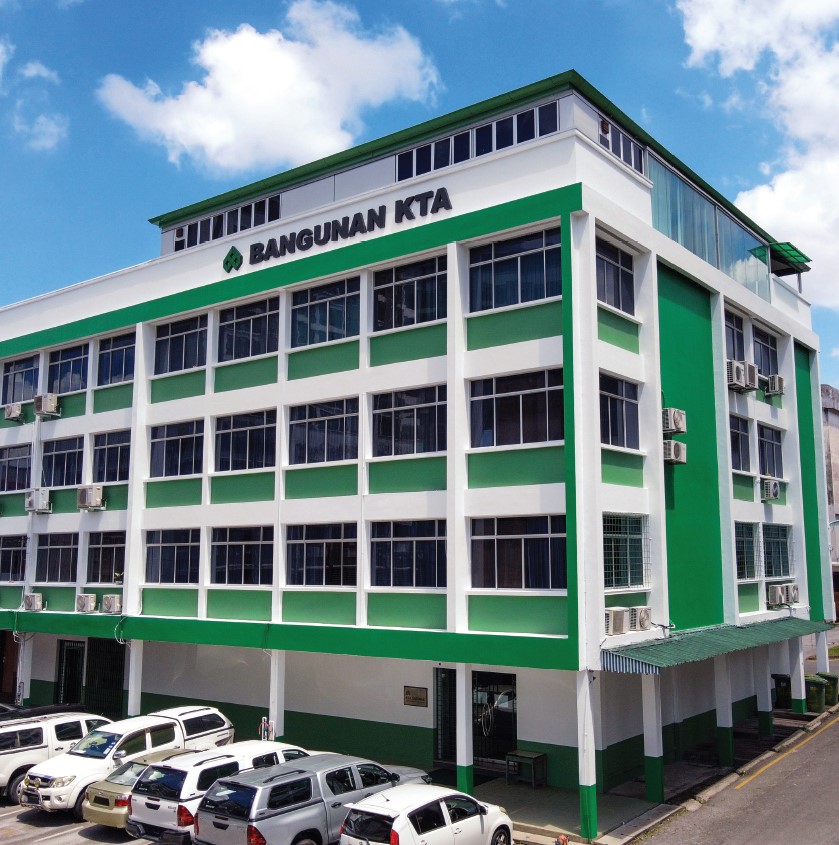
KTA Sarawak Sdn Bhd project image

01

Site conditions

02

System planning

03

Installation support

Project focus

CCTV and door access installation

Eyonic planned CCTV and door access for KTA Sarawak Sdn Bhd around staff movement, visitor handling, clean cabling and practical office security.

Project background and site context

KTA Sarawak Sdn Bhd needed an ELV setup that could support real daily operations rather than just look complete on paper. For a engineering consultancy site in Kuching, Sarawak, the practical value comes from matching camera views, access points, network points, user routines and after-hours monitoring habits to the way the premises actually works. Eyonic approached the project by treating cctv and door access installation as one operating environment, so the final setup could support security, convenience and clearer management at the same time.

Before recommending hardware, the team reviewed where people enter, where staff or visitors wait, where assets are kept, where cables could run cleanly and where remote checking would be most useful. This early planning matters because ELV projects are rarely solved by equipment quantity alone. A site can have many cameras but still miss the important angle, or it can have a door access device that is technically installed but awkward for staff to use. The project notes therefore focused on coverage, user flow, maintenance access and handover clarity.

How Eyonic planned the work

The first stage was a practical site survey. Eyonic checked likely camera positions, door locations, cable routes, network availability, power access, mounting surfaces and the spaces where users would interact with the system. The planning process balanced ideal coverage with realistic installation conditions, because some routes may be blocked by ceiling access, existing finishes, exposed public areas, restricted rooms or operational schedules.

The second stage was the system proposal. Instead of pushing a single standard package, the proposal matched the project scope to the client environment: CCTV and door access installation. The team considered how many users would need access, how often footage might be reviewed, whether remote viewing was required, how the system should be handed over, and what level of future expansion would make sense. This kept the recommendation useful without overcomplicating the site.

Installation approach

During installation, Eyonic prioritised clean workmanship, stable device placement and clear testing. CCTV points were positioned for practical viewing instead of decorative symmetry. Door and access devices were placed where users could reach them naturally. Network-related equipment was checked for reliable connection because modern CCTV and access systems depend heavily on stable cabling, routers, switches and internet access.

The team worked in stages so the project could be checked as it progressed. Cable routes, device mounts, recorder or controller placement, mobile access and user permissions were reviewed before handover. This reduced the chance of reaching the end of the job with a system that was technically installed but not comfortable for the client to operate. The result was a setup that could be explained, tested and used by the people responsible for the premises.

Challenges and constraints

Every active site has constraints. Some areas may be busy during working hours, some ceilings may limit cable access, some doors may need extra hardware checks, and some camera views may be affected by glare, lighting changes or public movement. For KTA Sarawak Sdn Bhd, the main challenge was making the ELV scope practical for the site while keeping the installation tidy and understandable for users.

Another common challenge is balancing security coverage with privacy, convenience and maintenance. A camera should capture useful evidence without creating unnecessary blind spots or awkward viewing angles. Access control should improve control without slowing down authorised users. Internet and network solutions should support remote viewing without making the setup fragile. Eyonic handled these constraints through careful positioning, testing and handover rather than treating installation as a simple device count.

How challenges were overcome

Eyonic overcame the site constraints by keeping the project practical. Where an ideal route was not suitable, the team selected a cleaner route that still protected system performance. Where a camera view needed adjustment, the team prioritised entrance, counter, yard, corridor or door visibility based on the highest-value security angle. Where users needed simple control, access and mobile-viewing steps were explained in plain language during handover.

Testing was also important. Cameras, recorders, access devices, network points and remote functions were checked before the project was treated as complete. This allowed small issues to be corrected early, such as view adjustment, naming, permission setup, mobile app access, recording confirmation or user training. That practical testing helped turn the installation from equipment on site into a system the client could depend on.

Approximate budget and value

The approximate budget for this type of work is RM 8,000 - RM 18,000. This is not a fixed quotation because final pricing depends on the number of devices, selected brands, cabling distance, mounting conditions, network requirements, working hours, access restrictions and the level of configuration needed. It gives a useful planning range for clients who want to understand whether the project is closer to a basic installation or a more complete ELV setup.

The value of the project comes from practical day-to-day use. A well-planned CCTV, access or connectivity setup helps a team check incidents faster, manage entry more clearly, reduce confusion around site control and respond with better information. For many clients, that value is not only about preventing problems; it is also about having a calmer way to manage daily operations, visitor movement and after-hours visibility.

Handover and support

After installation, Eyonic focused on a handover that made the system usable. The handover covered basic viewing, access routines, important device locations, what to check if something seems offline, and how to contact the team for follow-up support. This is especially important for clients who may not have a dedicated technical person managing the system every day.

A good handover also protects the client from confusion later. Users need to know what the system can do, what it cannot do, where recordings or settings are managed, and which everyday actions matter most. Eyonic's support-minded approach means the project does not stop at physical installation. It includes helping the client understand the practical next steps after the equipment is live.

Why this project matters

KTA Sarawak Sdn Bhd is a useful example of how ELV work should be planned around site behaviour. The project shows that security systems, access systems and connectivity systems perform best when they are considered together. A camera needs network reliability; a door access point needs sensible user permissions; a recorder needs a safe and serviceable location; and the client needs a simple way to operate everything after handover.

For other organisations in Kuching and across Sarawak, the lesson is straightforward: the strongest result usually comes from a proper survey, a practical proposal, clean installation, testing and user training. Eyonic uses that process to help each project fit the site, instead of forcing the site to fit the equipment.

Detailed planning notes

A proper ELV project should always connect the technical scope to a business reason. For KTA Sarawak Sdn Bhd, the business reason was practical visibility, safer access and easier daily control. That is why Eyonic did not treat cctv and door access installation as separate purchases. The team considered how the systems would be used by real people, how often they would be checked, where the most important evidence would come from, and what type of support the client would need after the handover.

The site environment in Kuching, Sarawak also shaped the project. Kuching sites often have a mixture of office areas, service areas, public-facing spaces, parking zones, corridors, counters or restricted rooms. The right ELV plan must work around those details. A camera that is perfect for a quiet corridor may not be right for a bright entrance. A door access point that is suitable for a back office may not suit a higher-traffic staff entrance. Eyonic planned around those differences before installation.

Another important part of the work was cable-path planning. Clean cabling affects reliability, future maintenance and the final appearance of the installation. Eyonic checked whether existing routes could be reused, whether new routes would be visible, whether ceiling access was practical, and whether the equipment could be serviced later. This planning helps avoid avoidable disruption, especially for a engineering consultancy site that may need to continue operating while installation work is taking place.

Network stability was considered because modern security systems depend on reliable connectivity. CCTV viewing, user permissions, remote access and system health checks can all be affected by weak network planning. Even when the main scope is camera or door security work, the network behind the system matters. Eyonic checked the relationship between recorders, controllers, routers, switches, mobile viewing and internet access so the final setup would be easier to manage.

The project also required practical user planning. A technically correct installation can still fail if staff do not understand how to use it. Eyonic considered who would review footage, who would manage access, who would receive mobile-viewing setup, and who would be responsible for first-level checks. This is why the handover process was treated as part of the project, not as a quick final step after equipment installation.

For CCTV work, useful coverage matters more than simply adding more cameras. Eyonic looked at the value of each viewing angle: entrances, counters, doors, parking areas, walkways, sensitive rooms or equipment areas. The aim was to capture practical evidence and support daily checking. This approach helps reduce blind spots while avoiding unnecessary camera points that add cost without improving the final system.

For door security and access control, the team considered user flow, door condition and backup access. Access control should improve security without creating frustration for authorised users. Eyonic therefore checked the practical movement around each door, how staff or authorised personnel would enter, and whether the equipment location would make sense during busy periods. That kept the access setup usable after installation.

Where internet or connectivity was part of the scope, Eyonic focused on reliability and coverage. Remote viewing is only useful when the internet connection, router placement and network routes support it. The team considered whether the system needed stronger internal connectivity, whether remote access was important, and whether any existing internet limitations would affect the client later. This helped shape a more complete recommendation.

The approximate budget range, RM 8,000 - RM 18,000, should be treated as planning guidance rather than a final quotation. Final pricing depends on equipment brand, number of devices, cable distance, mounting difficulty, working hours, network requirements, door hardware requirements and the level of configuration needed. Eyonic uses the site survey to turn that planning range into a clearer project proposal.

Quality control was handled through testing. The team checked live views, recording behavior, access routines, mobile viewing, naming, user handover and basic troubleshooting points. Testing is where small issues are found before the client depends on the system. It also gives the client confidence that the installed system has been checked in the same environment where it will be used.

The final result was a project shaped around practical operations. For KTA Sarawak Sdn Bhd, the important outcome was not just having equipment installed. The important outcome was having a system that could be used for monitoring, entry control, site awareness and future support. That is the difference between an equipment sale and an ELV project planned for real site needs.

This type of project is also useful as a reference for similar organisations in Sarawak. Many sites need a balanced setup that combines security, access and connectivity without becoming unnecessarily complicated. Eyonic's process keeps the work grounded: understand the site, recommend the correct scope, install cleanly, test carefully and hand over in a way that the client can actually use.

Maintenance access was another consideration. Devices should not be installed in locations that are impossible to reach later. Recorders, controllers, routers and power supplies should be placed where future inspection or support can happen without excessive disruption. Eyonic considered this during the layout stage so that the project would remain serviceable after completion.

The project also showed the importance of matching expectations early. Clients often ask for CCTV, access control or internet support because they feel a problem, but the exact solution depends on the site. Eyonic translated the client's practical concerns into a workable technical scope. That helped keep the project focused and reduced the chance of installing equipment that did not solve the real issue.

Documentation and naming were part of the handover mindset. Clear camera names, understandable user roles and simple location references make the system easier to operate. When a client needs to find footage or explain an issue later, clear naming saves time. Eyonic treated these small details as part of the overall project quality.

The long-term benefit is a site that is easier to check, easier to manage and easier to support. Security systems should give the client better information when something happens. Access systems should make entry clearer. Internet and network solutions should make remote functions more dependable. This project brought those goals together in a practical way for KTA Sarawak Sdn Bhd.

A proper ELV project should always connect the technical scope to a business reason. For KTA Sarawak Sdn Bhd, the business reason was practical visibility, safer access and easier daily control. That is why Eyonic did not treat cctv and door access installation as separate purchases. The team considered how the systems would be used by real people, how often they would be checked, where the most important evidence would come from, and what type of support the client would need after the handover.

The site environment in Kuching, Sarawak also shaped the project. Kuching sites often have a mixture of office areas, service areas, public-facing spaces, parking zones, corridors, counters or restricted rooms. The right ELV plan must work around those details. A camera that is perfect for a quiet corridor may not be right for a bright entrance. A door access point that is suitable for a back office may not suit a higher-traffic staff entrance. Eyonic planned around those differences before installation.

Another important part of the work was cable-path planning. Clean cabling affects reliability, future maintenance and the final appearance of the installation. Eyonic checked whether existing routes could be reused, whether new routes would be visible, whether ceiling access was practical, and whether the equipment could be serviced later. This planning helps avoid avoidable disruption, especially for a engineering consultancy site that may need to continue operating while installation work is taking place.

Network stability was considered because modern security systems depend on reliable connectivity. CCTV viewing, user permissions, remote access and system health checks can all be affected by weak network planning. Even when the main scope is camera or door security work, the network behind the system matters. Eyonic checked the relationship between recorders, controllers, routers, switches, mobile viewing and internet access so the final setup would be easier to manage.

The project also required practical user planning. A technically correct installation can still fail if staff do not understand how to use it. Eyonic considered who would review footage, who would manage access, who would receive mobile-viewing setup, and who would be responsible for first-level checks. This is why the handover process was treated as part of the project, not as a quick final step after equipment installation.

For CCTV work, useful coverage matters more than simply adding more cameras. Eyonic looked at the value of each viewing angle: entrances, counters, doors, parking areas, walkways, sensitive rooms or equipment areas. The aim was to capture practical evidence and support daily checking. This approach helps reduce blind spots while avoiding unnecessary camera points that add cost without improving the final system.

For door security and access control, the team considered user flow, door condition and backup access. Access control should improve security without creating frustration for authorised users. Eyonic therefore checked the practical movement around each door, how staff or authorised personnel would enter, and whether the equipment location would make sense during busy periods. That kept the access setup usable after installation.

Where internet or connectivity was part of the scope, Eyonic focused on reliability and coverage. Remote viewing is only useful when the internet connection, router placement and network routes support it. The team considered whether the system needed stronger internal connectivity, whether remote access was important, and whether any existing internet limitations would affect the client later. This helped shape a more complete recommendation.

The approximate budget range, RM 8,000 - RM 18,000, should be treated as planning guidance rather than a final quotation. Final pricing depends on equipment brand, number of devices, cable distance, mounting difficulty, working hours, network requirements, door hardware requirements and the level of configuration needed. Eyonic uses the site survey to turn that planning range into a clearer project proposal.

Quality control was handled through testing. The team checked live views, recording behavior, access routines, mobile viewing, naming, user handover and basic troubleshooting points. Testing is where small issues are found before the client depends on the system. It also gives the client confidence that the installed system has been checked in the same environment where it will be used.

The final result was a project shaped around practical operations. For KTA Sarawak Sdn Bhd, the important outcome was not just having equipment installed. The important outcome was having a system that could be used for monitoring, entry control, site awareness and future support. That is the difference between an equipment sale and an ELV project planned for real site needs.

This type of project is also useful as a reference for similar organisations in Sarawak. Many sites need a balanced setup that combines security, access and connectivity without becoming unnecessarily complicated. Eyonic's process keeps the work grounded: understand the site, recommend the correct scope, install cleanly, test carefully and hand over in a way that the client can actually use.

Maintenance access was another consideration. Devices should not be installed in locations that are impossible to reach later. Recorders, controllers, routers and power supplies should be placed where future inspection or support can happen without excessive disruption. Eyonic considered this during the layout stage so that the project would remain serviceable after completion.

The project also showed the importance of matching expectations early. Clients often ask for CCTV, access control or internet support because they feel a problem, but the exact solution depends on the site. Eyonic translated the client's practical concerns into a workable technical scope. That helped keep the project focused and reduced the chance of installing equipment that did not solve the real issue.

Documentation and naming were part of the handover mindset. Clear camera names, understandable user roles and simple location references make the system easier to operate. When a client needs to find footage or explain an issue later, clear naming saves time. Eyonic treated these small details as part of the overall project quality.