
comparisons focus on installation effort, monitoring choices, and smart home compatibility.
Best Do It Yourself Alarm System: What Matters Before You Choose
A Do It Yourself Alarm System typically ships with a hub, sensors, and a keypad. The owner places sensors on doors and windows, connects the hub to Wi-Fi, and controls the system through a mobile app. Professional monitoring is optional on most systems, and it adds a monthly fee.
Before choosing a system, consider these points:
- Check whether the property allows drilling or mounting.
- Decide between self-monitoring and professional monitoring.
- Confirm which smart home ecosystem the household uses.
- Estimate the monthly budget for monitoring fees.
- Count the doors and windows that need sensors.
How to Choose a Do It Yourself Alarm System
The for a home depends on the owner's technical comfort and the property's layout. Expert reviews from CNET and Security.org rank SimpliSafe, Ring, and Abode among the top options, but each brand suits a different need. SimpliSafe is known for easy installation and contract-free monitoring, Ring works well with Amazon Alexa, and Abode supports broad smart home protocols.
When comparing systems, look at the equipment cost, the monthly monitoring fee, and the warranty. A system with a lower upfront price may cost more over time if the monitoring fee is high. Also, check whether the system supports the smart devices already in the home.
Practical Considerations for Installation
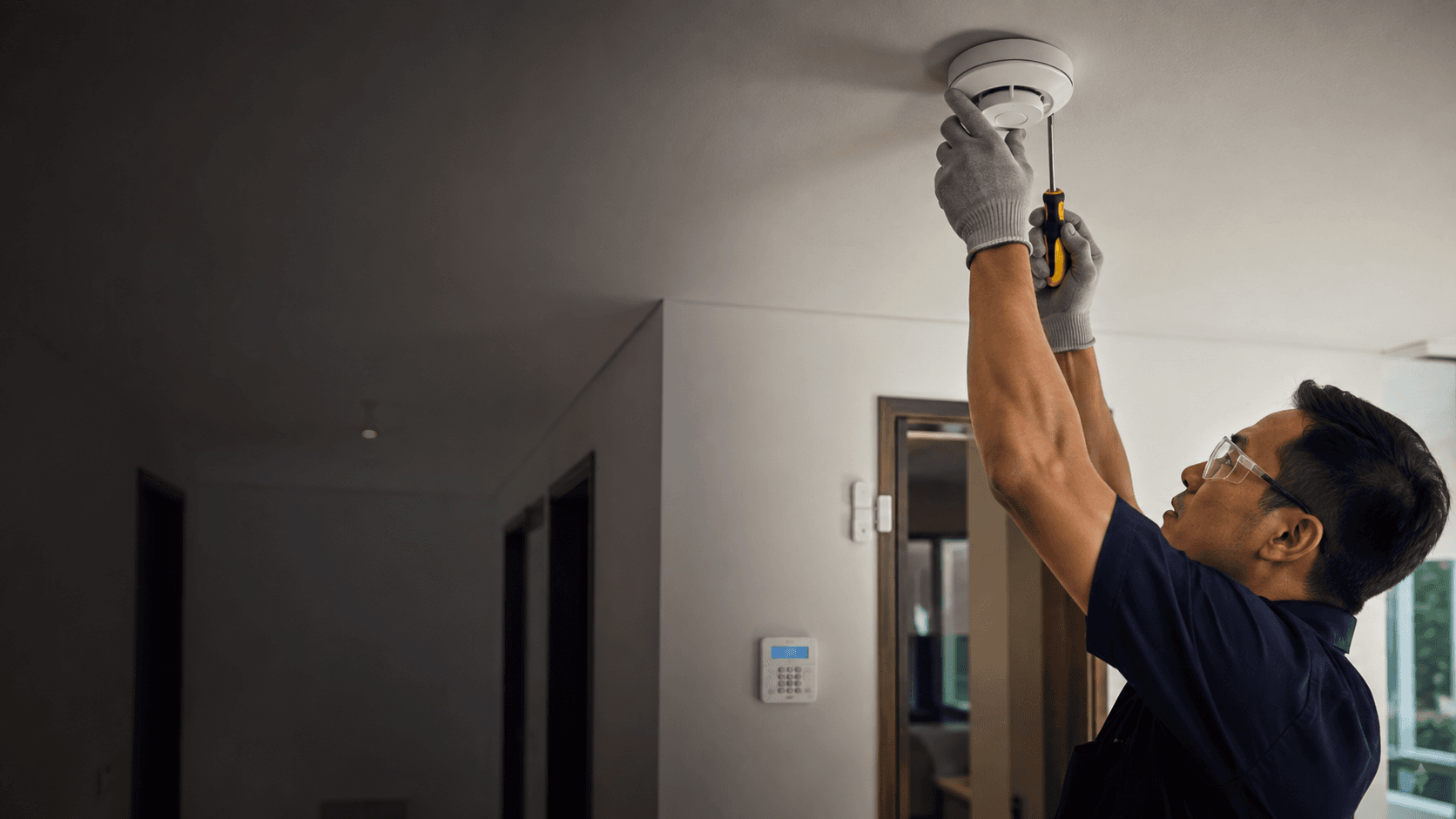
Installing a Do It Yourself Alarm System requires placing sensors correctly and ensuring the Wi-Fi signal reaches the hub. Most DIY kits use wireless sensors, so no drilling is needed for most components. The hub needs a power source and a broadband connection. Some systems offer cellular backup, but that usually requires a paid plan.
Eyonic, a security system supplier in Sarawak, Malaysia, provides planning, supply, and installation for CCTV and ELV systems. For alarm systems, Eyonic follows a process that includes site survey, system proposal, installation, and handover. This process helps ensure that the system fits the property's needs.
For example, Eyonic completed a project for the Kuching Immigration Office, focusing on arrival flow, staff areas, visitor movement, and dependable daily operation. That project shows how a professionally installed system can support a busy public office.
Making an Informed Choice
The is the one that matches the property's layout, the owner's technical skills, and the household's smart devices. Expert reviews agree that SimpliSafe offers the easiest path to professional monitoring, Ring suits Alexa households, and Abode serves automation enthusiasts. The recurring monitoring fee deserves as much attention as the upfront kit price because it compounds over the system's lifetime.
For properties where a professionally installed system makes more sense, a security supplier can handle the site survey, system proposal, installation, and handover that a DIY kit leaves to the owner. Eyonic in Sarawak, Malaysia, follows that four-stage process for alarm system installation and has completed projects for public offices such as the Kuching Immigration Office, where arrival flow, staff areas, and visitor movement required dependable daily operation. A site survey matters for camera placement too, since Eyonic recommends checking actual lighting conditions before confirming positions for ColorVu-style cameras.
Share the location, property type, and required system with Eyonic on WhatsApp at +60 11-5111 7959 for the next practical step.