
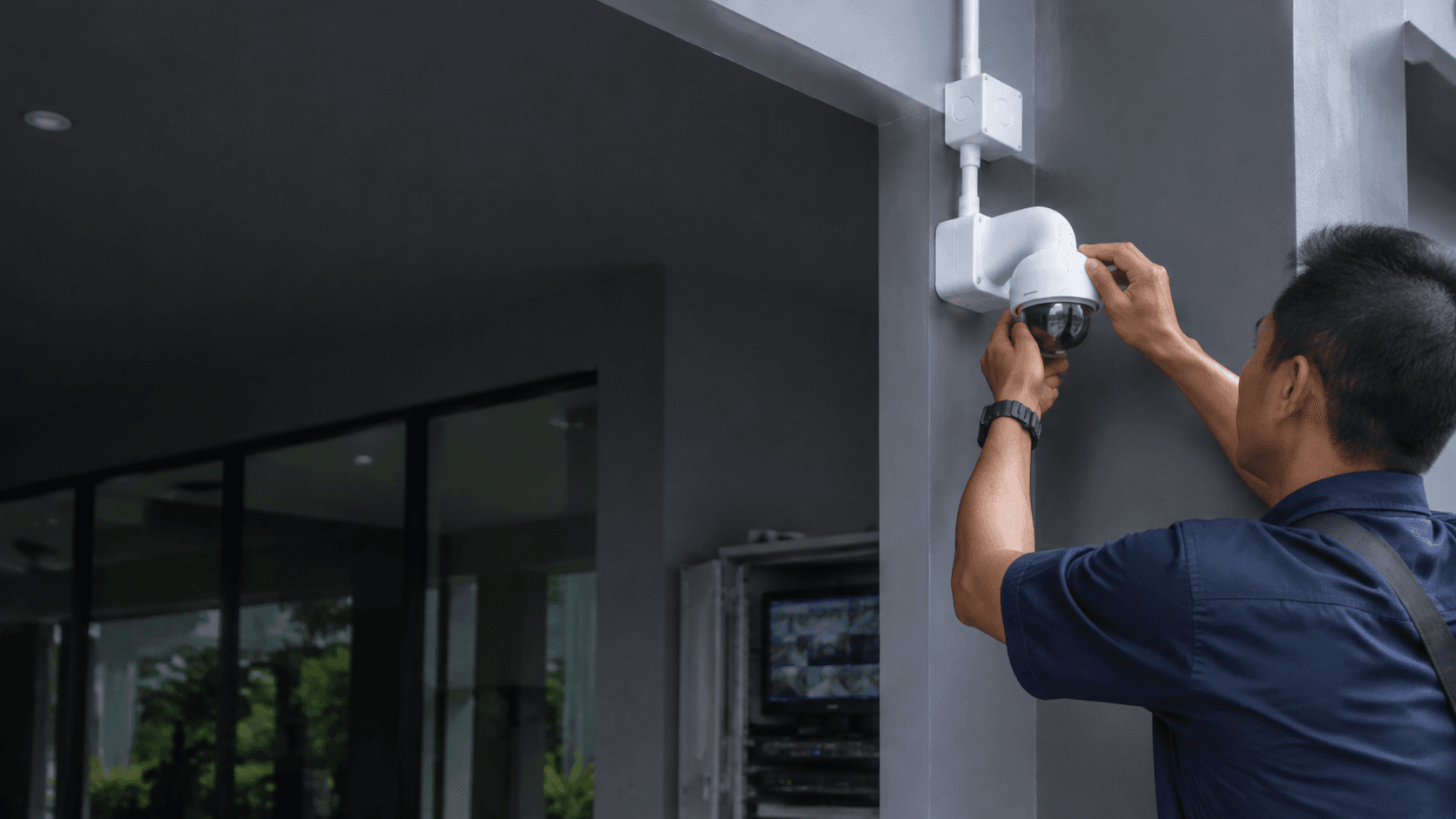
Wyze Outdoor Camera Models and Placement
The Wyze outdoor camera lineup serves different property layouts. Battery cameras communicate through a base station or directly with home Wi-Fi, which makes them practical for detached garages, garden sheds, and fence lines. Wired cameras need a nearby power source but avoid battery recharging cycles. Placement decisions start with the coverage goal. A camera aimed at a driveway needs a different mounting height than one watching a side gate. Eyonic's CCTV installation process begins with a site survey before any system proposal, a step that matters for Wyze outdoor camera setups because wireless range and sightlines determine whether the unit performs as intended.Battery Camera Placement Limits
Battery-powered Wyze outdoor camera units depend on consistent Wi-Fi signal strength. Thick concrete walls common in Malaysian homes can weaken the connection between the camera and its base station. Mounting the camera too far from the router risks offline events and delayed alerts. The Wyze Cam Outdoor v2 uses a base station to extend range, while the Wyze Battery Cam Pro connects directly to 2.4 and 5 GHz Wi-Fi. Homes with routers placed centrally tend to get better results from either model. Properties with long driveways or multiple outbuildings may need a mesh network or additional access points to keep every Wyze outdoor camera online.What to Check Before Choosing a Wyze Outdoor Camera
Before committing to a Wyze outdoor camera, buyers should confirm three practical points: local availability, power strategy, and recording needs.- Check whether the specific Wyze outdoor camera model ships to Malaysia and what voltage adapter or mounting kit it requires.
- Measure the distance from the proposed mounting point to the Wi-Fi router or base station location.
- Decide between battery operation with motion-triggered recording and wired operation with continuous recording.
- Review the mounting surface material to confirm the included bracket suits brick, concrete, or timber walls.
- Confirm the viewing angle covers the intended area without obstructions from eaves, pillars, or vegetation.