
Co Alarm Installation. What Matters Before You Choose
Carbon monoxide is an invisible gas produced by incomplete combustion in furnaces, water heaters, stoves, and vehicles. Because it has no smell or color, a detector provides the only warning when levels become dangerous. Co alarm installation decisions affect how quickly occupants learn about a leak and how reliably the system avoids nuisance alerts.
The placement rules differ from smoke alarm logic. Smoke rises, so smoke detectors mount high on walls or ceilings. Carbon monoxide mixes with air more evenly, which changes where detectors belong. Most manufacturers recommend installing CO alarms at knee height or higher, but the exact position depends on the device type and the room layout.
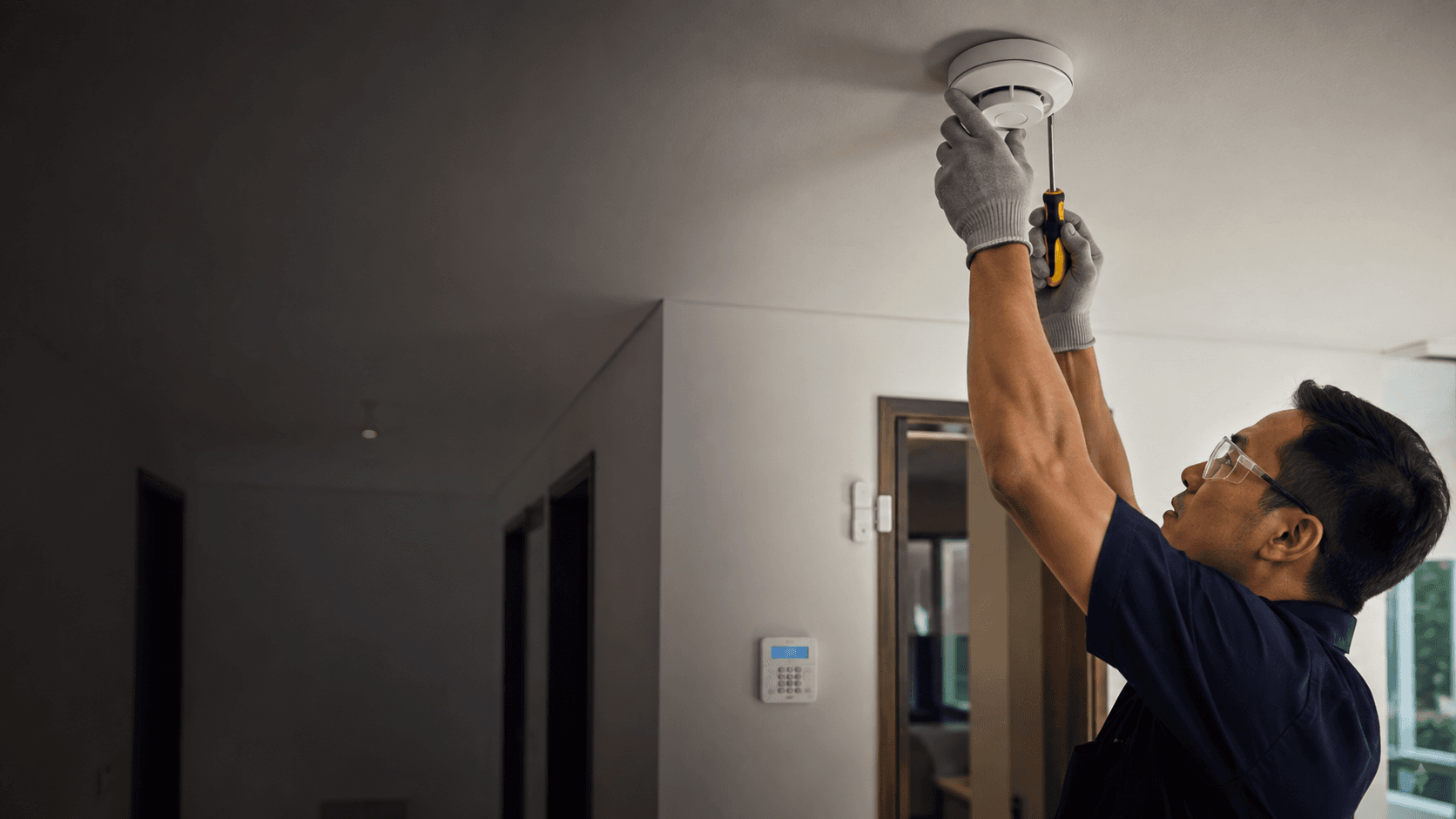
Battery-powered units offer the simplest co alarm installation because they require no wiring. Plug-in models with battery backup suit homes with accessible outlets. Hardwired units connect to household electrical circuits and typically need professional installation, especially when adding new wiring to existing walls.
Choosing the Right Co Alarm Installation
The detector type determines the installation method and the maintenance schedule. Electrochemical sensors detect carbon monoxide specifically and last roughly five to seven years. Metal oxide semiconductor sensors respond to multiple gases and may trigger more false alarms. Biomimetic sensors change color as CO levels rise but respond more slowly than electrochemical versions.
- Count the sleeping areas and fuel-burning appliances to determine how many detectors are needed.
- Select detector locations on each floor, prioritizing bedrooms and rooms above attached garages.
- Check the manufacturer instructions for mounting height, clearance from corners, and distance from appliances.
- Mount the detector using the included hardware or plug it into a protected outlet.
- Test the unit after installation and record the replacement date on the device.
Combination smoke and CO alarms reduce the total number of devices mounted on walls and ceilings. These units detect both threats in one housing, which simplifies co alarm installation in hallways where smoke detectors already exist. The trade-off involves replacement cost, since combination units cost more than single-function detectors and still require replacement after the sensor lifespan ends.
What Is Co Alarm Installation?
Co alarm installation refers to the physical mounting, wiring, and placement of carbon monoxide detectors throughout a building. The process includes selecting appropriate locations, securing the device, testing its operation, and scheduling regular maintenance. Proper installation ensures the detector can sense CO accumulation before it reaches dangerous concentrations.
The US Environmental Protection Agency advises following the manufacturer use and care booklet for installation and maintenance guidelines. EPA guidance also notes that CO alarms operate differently than smoke alarms, so homeowners should not assume identical placement rules apply. Underwriters Laboratories certification indicates the detector meets established safety and performance standards.
Detector height matters less than distance from potential sources. Carbon monoxide is slightly lighter than air, but warm air currents carry it upward and mix it throughout a room. A detector mounted at any height within the manufacturer recommended range will sense CO effectively, provided it sits away from direct sources of interference.
Where Should I Install Carbon Monoxide Alarms And In Which Rooms?
Install at least one CO alarm on every level of the home, including the basement. Place a detector outside each sleeping area and inside bedrooms when local codes require it. Rooms with attached garages need particular attention because vehicle exhaust can seep through shared walls.
The kitchen presents a placement challenge. Gas stoves produce small amounts of carbon monoxide during normal operation, which can trigger false alarms when a detector sits too close. Kidde recommends keeping CO alarms at least 15 to 20 feet from fuel-burning appliances to reduce nuisance alerts. This distance balances detection capability against the risk of cooking-related false alarms.
Living rooms, hallways, and bedrooms serve as primary detector locations because occupants spend significant time in these spaces. Basements require detectors when they contain furnaces, water heaters, or laundry equipment. Attics generally do not need CO alarms unless they house fuel-burning appliances.
Areas to avoid include bathrooms, where steam and humidity can damage sensors, and spaces near windows or vents where fresh air dilutes the CO concentration before the detector responds. Direct sunlight and extreme temperatures also shorten sensor life, so exterior walls and unconditioned spaces make poor mounting locations.
Practical Considerations for Co Alarm Installation
Detector placement near sleeping areas provides the earliest warning during the highest-risk hours. Carbon monoxide poisoning symptoms include headache, dizziness, and confusion, which can be mistaken for other illnesses during sleep. An alarm outside bedrooms wakes occupants before symptoms progress to unconsciousness.
The number of detectors needed depends on home size and layout. A single-story home with bedrooms clustered together may need one detector in the hallway outside the bedrooms. A two-story home with bedrooms on separate floors requires at least two units. Homes with attached garages benefit from an additional detector near the garage entry point.
Battery replacement follows a seasonal schedule for most homeowners. Testing the alarm monthly and replacing batteries at least once per year keeps the unit operational. Detectors reach the end of their service life after five to seven years, and the unit should be replaced entirely rather than repaired.
Professional installation becomes valuable when hardwiring detectors, integrating alarms into a security system, or covering large commercial spaces. Eyonic Sdn Bhd, a security system supplier in Sarawak, Malaysia, provides planning and installation services for homes, offices, shops, and industrial sites. Their CCTV installation process includes a site survey, system proposal, installation, and handover, a structure that applies to broader security system work.
Commercial co alarm installation follows similar placement logic but adds complexity. Office buildings need detectors near mechanical rooms, parking garages, and areas where gas-powered equipment operates. The Kuching Immigration Office project completed by Eyonic focused on arrival flow, staff areas, and dependable daily operation, demonstrating how security system planning adapts to public building requirements.
Making an Informed Choice About Co Alarm Installation
Compare detector features before committing to a specific model. Digital displays show current CO readings, which helps identify slow leaks before they trigger the alarm. Voice alerts distinguish between smoke and CO warnings, reducing confusion during an emergency. Smart detectors connect to phone apps and send notifications when the homeowner is away.
The trade-off between battery and hardwired units involves installation effort versus ongoing maintenance. Battery detectors install in minutes but require periodic battery changes. Hardwired detectors eliminate battery replacement for the unit itself but need electrical work that often requires a licensed electrician. Plug-in detectors with battery backup offer a middle ground for homes with accessible outlets.
Local building codes may mandate specific detector counts and locations. Many jurisdictions require CO alarms in new construction and when homes change ownership. Checking local requirements before installation prevents code violations and ensures adequate protection.
Replacement timing deserves attention during co alarm installation planning. Most detectors include an end-of-life warning that signals when the sensor can no longer function reliably. Marking the installation date on the unit helps track when replacement becomes necessary, typically between five and seven years after purchase.
Share your location, property type and required system with Eyonic on WhatsApp at +60 11-5111 7959 for the next practical step.