
The commercial reading dominates the live result set. CCTV Camera World sells cameras, recorders and accessories with technical support attached, and its security-cameras page is built around product categories. The directory reading is just as real: EarthCam, Insecam, Webcamera24, World Cams, SkylineWebcams, FoxMonitor and the Live Webcam World app all rank for the same phrase, and all of them show public feeds rather than sell hardware.
Neither cluster claims the phrase at heading level. Across ten analysed pages, the exact match count is zero and the entity count is zero, so no page currently owns the term. That leaves room for a page that separates the two meanings first, then serves the reader who wants a working system installed on a property in Malaysia.
What the term Cctv World covers in Malaysia
In Malaysia the phrase behaves the same way it does elsewhere. It surfaces equipment suppliers on one side and public camera directories on the other, and the two have almost nothing in common beyond the word camera.
The equipment side covers cameras, recorders, cabling, power, storage and the software used to view footage remotely. A buyer in Kuching or elsewhere in Sarawak is usually looking for a supplier who plans placement, supplies the hardware, installs it and hands over a working system. Eyonic Sdn Bhd works in that space, planning, supplying and installing monitoring systems with camera placement, recording and remote viewing for homes, offices, shops and industrial sites.
The directory side covers streams that someone else already operates. EarthCam runs tourism and construction cameras. Insecam lists online cameras by country and coordinates. Webcamera24, World Cams and SkylineWebcams organise feeds by city, landmark and category. The Live Webcam World app on Google Play groups live feeds by country. None of these sell or install anything on a reader's property.
That distinction matters because the two readings lead to completely different next actions. One ends in a site survey and an installed recorder. The other ends in a browser tab.
Cctv World compared with public live webcam directories
A public webcam directory and an installed security camera system solve different problems, and confusing them wastes time on both sides.
A directory is a viewing product. The cameras belong to someone else, the operator controls the angle and the uptime, and the viewer has no say in what gets recorded or kept. EarthCam's network is built for tourism and entertainment viewing. Insecam's directory lists cameras that are reachable online, and the site offers a removal route for operators who set a password. Webcamera24 aggregates feeds by country and category. World Cams sorts streams into beaches, bars, sights and trains. SkylineWebcams lists live cams by country across Europe, the Americas, Africa and Asia.
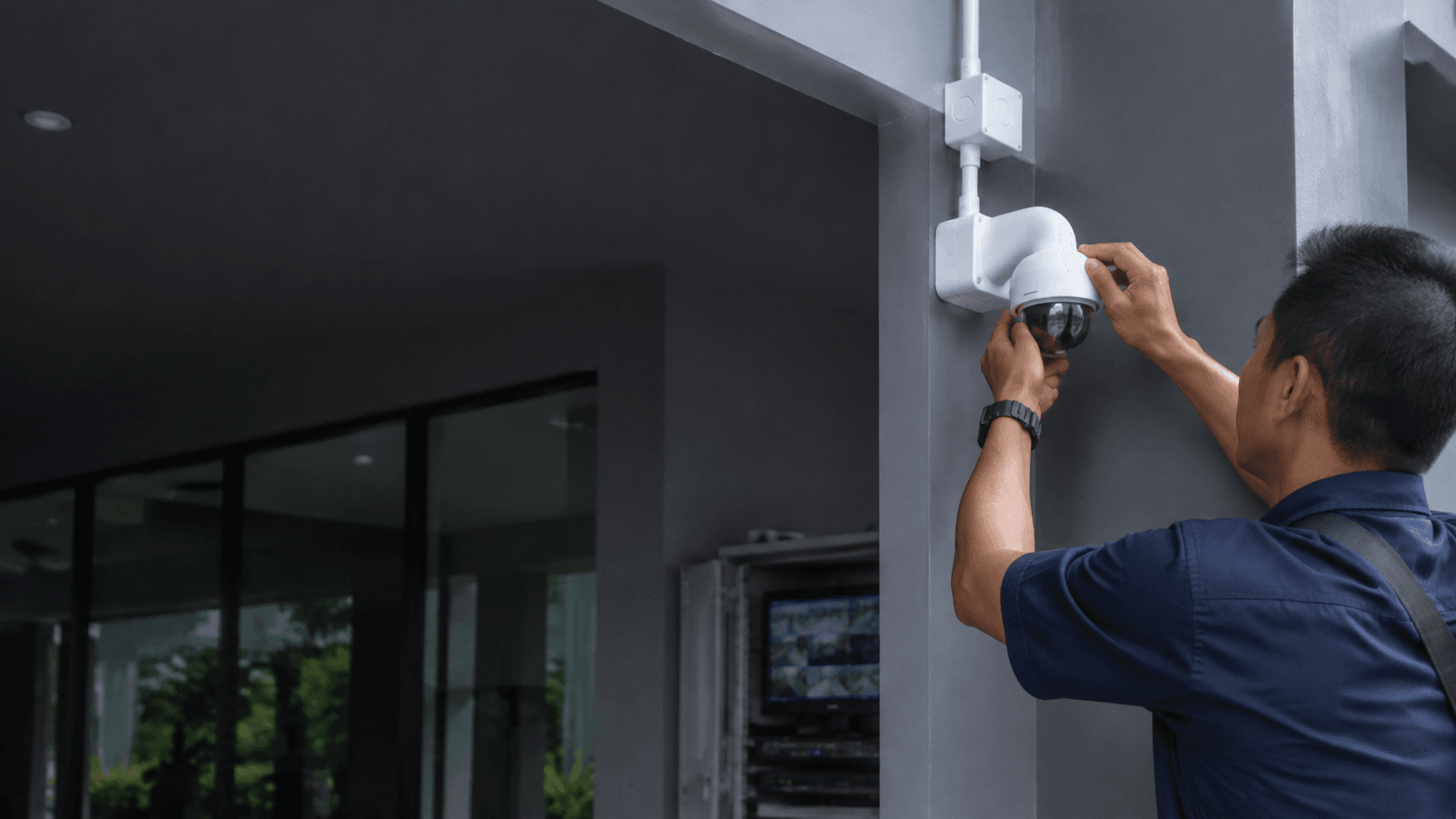
An installed system is an operating product. The cameras belong to the property owner, the placement is chosen for the site, footage is recorded locally, and access is controlled. Eyonic's service scope covers camera placement, recording and remote viewing, with NVR setup as part of the work. The Kuching Immigration Office project shows the operating end of that scale: arrival flow, staff areas, visitor movement and dependable daily operation for a public office.
The trade-off is straightforward. A directory costs nothing and delivers nothing that can be used as evidence or as a record of a specific premises. An installed system costs money and delivers footage the owner controls, which is the only version that helps after an incident.
Where the two readings overlap
Both readings share vocabulary, which is why the search results mix. Remote viewing appears in supplier copy and in directory copy. Live feeds, cameras and world appear on both sides. A reader who types the phrase without a second word attached gets a blend of shopping pages and viewing pages, and has to decide which one was meant before any result is useful.
How an installed Cctv World system is planned in Sarawak
Planning starts with the site, not the hardware. Eyonic's documented installation process runs through four stages, and the sequence matters because each stage constrains the next.
- Site survey — the property is inspected before any equipment is proposed.
- System proposal — the camera and recorder plan is put together from what the survey found.
- Installation — cameras, cabling and the recorder are fitted and configured.
- Handover — recording and mobile viewing are set up and explained to the user.
Camera placement is the decision that carries the most weight. A camera aimed at the wrong angle records the wrong thing no matter how good the hardware is. Lighting is part of that decision rather than an afterthought: Eyonic advises checking actual lighting conditions on site before confirming placement for ColorVu-style cameras, because low-light performance depends on what the location really looks like at night rather than on a specification sheet.
Recording and remote viewing come next. NVR setup determines how long footage is kept and how it is searched. Remote viewing determines who can see the site from a phone and under what conditions. Both are configured during installation and confirmed at handover, which is the point where the system stops being a plan and starts being something the owner can actually use.
What the Kuching projects show about scope
Two completed projects give a sense of how the work scales. The Kuching Immigration Office project covered a public office with arrival flow, staff areas and visitor movement, with an approximate budget of RM 12,000 to RM 28,000 for that type of work. The KTA Sarawak Sdn Bhd project covered an engineering consultancy office in Kuching, supporting staff movement, visitor handling, tidy cabling and clearer daily site control, with an approximate budget of RM 8,000 to RM 18,000.
Both are commercial sites, and both were planned around how people actually move through the building. That is the pattern that separates a system that gets used from one that gets ignored.
Costs, packages and project ranges
Eyonic publishes three packages at RM 1,599 each, and they cover different jobs rather than different tiers of the same job.
The Hikvision CCTV Package covers camera supply and setup, basic recording configuration, and mobile viewing handover. The Hikvision Alarm System covers a control panel and sensors, siren and zone setup, and user testing and handover. The Autogate Package covers motor recommendation, remote-control setup, and safety testing and handover.
Those figures are starting points for defined scopes, not quotes for a specific property. Larger sites move into project territory, as the two Kuching projects show, where the range reflects the number of cameras, the cabling distance, the recorder capacity and the complexity of the site rather than a fixed package price.
Cost drivers worth understanding before a survey: the number of camera positions, whether cabling can follow existing routes, whether the recorder needs to sit in a secured location, and whether the site needs coverage of outdoor areas where lighting and weather affect the choice of camera. Each of those changes the hardware list and the labour.
What to prepare before requesting a site survey
A survey produces a better proposal when the owner arrives with three things settled: the location, the property type, and the required system. Those three answers let the survey focus on placement and coverage instead of on basic scoping.
It also helps to know what the system is for. A shop watching a counter, an office tracking visitor movement and a home covering a gate have different priorities, and the camera positions follow from the priority rather than from a standard layout. The Kuching Immigration Office project is a useful reference point for how much the purpose shapes the plan: arrival flow, staff areas and visitor movement each needed different coverage.
One practical note on access. Installation involves running cable and mounting hardware, so knowing who controls the building, when work can happen and whether there are restrictions on drilling or routing helps the schedule hold. For rented premises, that conversation belongs before the survey rather than after.
Readers who want to move from the directory reading to the installed reading can share the location, property type and required system with Eyonic on WhatsApp at +60 11-5111 7959.