
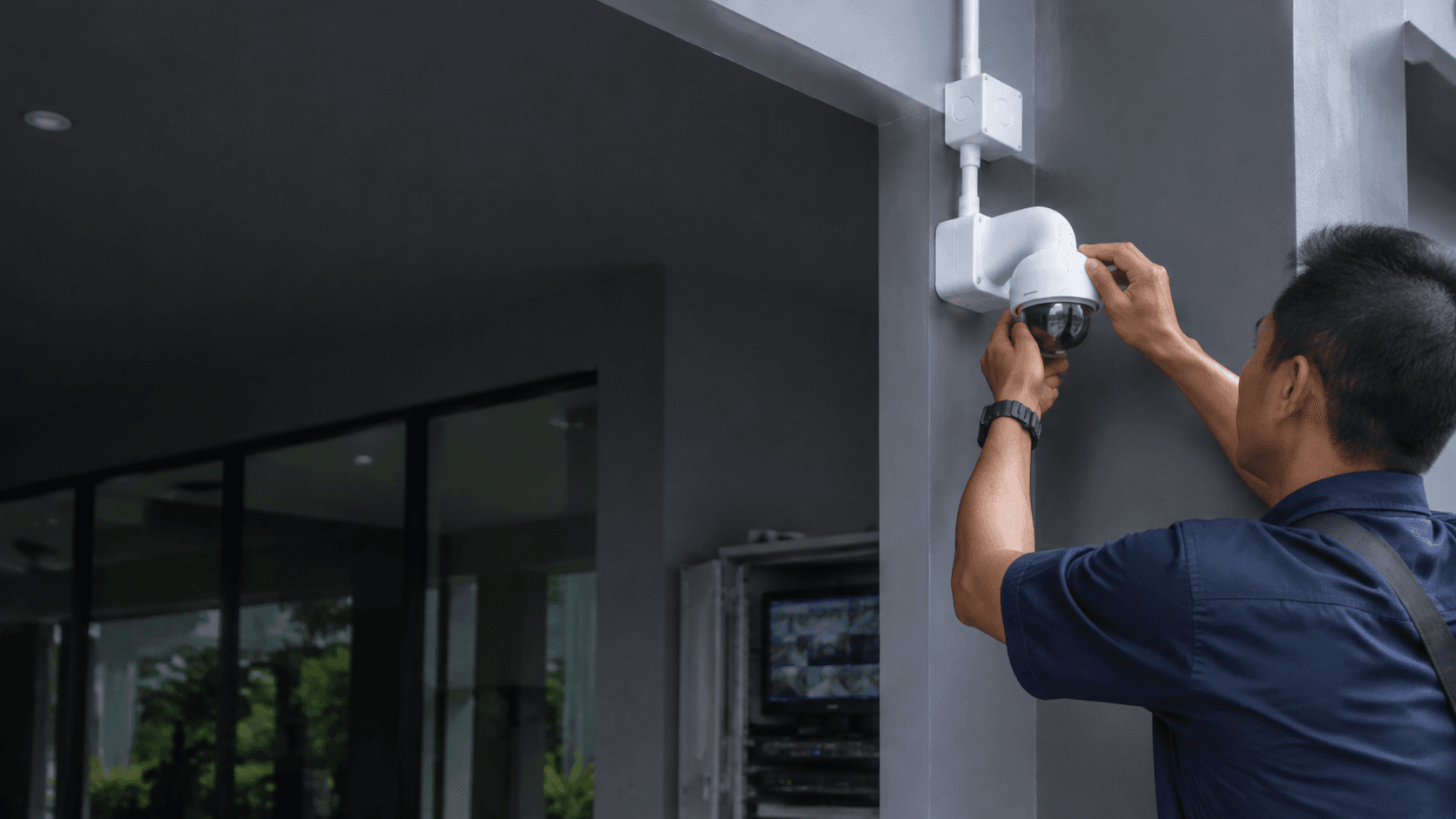
Home Video Surveillance Installation: What Matters Before You Choose
A home video surveillance installation succeeds when the planning matches the property's actual conditions. Eyonic Sdn Bhd, a security system supplier in Sarawak, Malaysia, follows a four-stage process for CCTV work: site survey, system proposal, installation, and handover. That sequence matters because camera angles, cable routes, and recorder placement all depend on what the survey reveals about the building.
The common mistake is choosing cameras before checking the environment. Eyonic recommends verifying actual lighting conditions before confirming placement for ColorVu-style cameras, since these models capture color footage in low light but perform differently depending on available illumination. A camera that works well in one corner of a home may fail in another if shadows or glare change throughout the day.
Before any equipment is purchased, a practical home video surveillance installation plan should answer these questions:
- Walk the property and note entry points, blind spots, and existing light sources at different times of day.
- Decide whether the system needs continuous recording or motion-triggered capture based on how the footage will be used.
- Confirm where the recorder and network equipment will sit, including power access and cable paths.
- Check whether remote viewing requires a stable internet connection and which devices will access the feed.
- Review the proposed camera count against the budget and the areas that genuinely need coverage.
Choosing the Right Home Video Surveillance Installation
The right home video surveillance installation balances coverage, storage, and ease of daily use. Eyonic's service description covers camera placement, recording, and remote viewing for homes, offices, shops, and industrial sites. For a home, that means deciding which entrances, walkways, and interior spaces justify a camera rather than installing units everywhere.
Camera type is the first practical decision. Eyonic supplies Hikvision cameras, and the ColorVu line is one reviewed option. These cameras use built-in lighting to produce color images at night, which helps identify clothing, vehicle colors, and other details that black-and-white infrared footage may miss. The trade-off is that placement must account for the light the camera emits, so reflective surfaces or very dark areas need closer attention during the survey.
Storage and access form the second decision. A home video surveillance installation typically records to a local device, and remote viewing lets the owner check the feed from a phone or computer. Eyonic's process includes NVR setup and remote viewing as part of the service, meaning the installer configures both the recording and the access method rather than leaving the owner to connect everything afterward.
What Is Home Video Surveillance Installation?
Home video surveillance installation is the professional process of planning, supplying, and setting up cameras that record activity around a residence. Eyonic describes its CCTV work as covering camera placement, recording, and remote viewing, which gives a clear picture of what the service includes. The installation itself is the final stage after the site survey and system proposal, so the physical mounting of cameras happens only after the plan is agreed.
For homes in Sarawak, the practical scope can range from a single camera watching a main entrance to a multi-camera system covering the full perimeter. Eyonic's completed projects show the range of what installation teams handle. The Kuching Immigration Office project focused on arrival flow, staff areas, visitor movement, and dependable daily operation, with an approximate budget of RM 12,000 to RM 28,000. The KTA Sarawak Sdn Bhd project supported an engineering consultancy office with staff movement, visitor handling, tidy cabling, and clearer daily site control, at roughly RM 8,000 to RM 18,000. These examples show that installation quality depends on matching the system to how people actually move through the space.
Practical Considerations for Home Video Surveillance Installation
A home video surveillance installation involves more than mounting cameras. The wiring, recorder placement, and network setup determine whether the system remains reliable over years of use. Eyonic's process includes a site survey before installation, which is the stage where cable routes and equipment locations get confirmed.
Lighting is one factor that installers check during the survey. Eyonic's guidance on ColorVu cameras is specific: verify actual lighting conditions before confirming placement. This matters because ColorVu cameras rely on ambient or built-in light to produce color night footage. A camera placed under a bright porch light behaves differently from one mounted in a dark alley, and the installer needs to know which situation applies before fixing the final position.
The property type also shapes the installation. Eyonic serves homes, offices, shops, and industrial sites, and each setting has different constraints. A home may have limited cable access through walls, while a shop may need cameras positioned to cover both the sales floor and the entrance. The site survey exists to catch these differences before any drilling or mounting begins.
How Does the Installation Process Work?
Eyonic's CCTV installation process follows a clear sequence: site survey, system proposal, installation, and handover. The site survey is the first and most important step because it produces the information needed for everything else. During this stage, the installer examines the property, notes lighting conditions, identifies cable routes, and discusses what the owner wants to monitor.
The system proposal turns the survey findings into a concrete plan. This is where the camera count, model choices, and recorder specifications get confirmed. For a home video surveillance installation, the proposal should state which areas each camera will cover and how the recording will be accessed.
Installation is the physical work of mounting cameras, running cables, and configuring the recorder. Eyonic's service includes NVR setup and remote viewing, so the installer handles the technical configuration rather than leaving it to the owner. The handover stage is where the owner learns how to use the system, including how to view footage remotely and what to do if a camera needs adjustment.
What Should Homeowners Check Before Installation?
The most useful preparation for a home video surveillance installation is a clear list of what the system must achieve. Owners should identify the entry points they want covered, the times of day when activity matters most, and whether they need to identify faces, vehicles, or just general movement. These answers guide the camera count and placement.
Budget is a separate consideration that affects the whole plan. Eyonic's project examples show that installation costs vary widely with scope. The Kuching Immigration Office project ran from RM 12,000 to RM 28,000, while the KTA Sarawak office project was RM 8,000 to RM 18,000. A home system sits at a different scale, but the principle holds: more cameras, longer cable runs, and more complex setups cost more.
Network reliability is another factor that owners sometimes overlook. Remote viewing depends on the home's internet connection, and a weak signal can make the feed unusable even when the cameras work perfectly. The site survey should include a check of where the router sits relative to the recorder and whether the connection can support the system's remote viewing demands.
Making an Informed Choice About
Choosing a home video surveillance installation provider comes down to whether the company can deliver the full process, not just mount cameras. Eyonic's four-stage approach covers the survey, proposal, installation, and handover, which means the owner gets a planned system rather than a set of cameras bolted to walls without coordination.
The evidence from Eyonic's completed projects supports this approach. The Kuching Immigration Office project needed practical support for a public office, with attention to arrival flow, staff areas, and visitor movement. The KTA Sarawak project required tidy cabling and clearer daily site control. Both projects succeeded because the installation was planned around how the space was actually used, which is exactly what a site survey provides.
For homeowners in Sarawak considering this service, the practical next step is to share the property details and requirements with a provider. Eyonic's founder, Eric Yong, has more than 10 years of experience in technical installation of digital security solutions, and the company's process is designed to catch problems before they become costly mistakes. A home video surveillance installation that starts with a proper survey and ends with a clear handover gives the owner a system that works from day one and stays reliable afterward.