
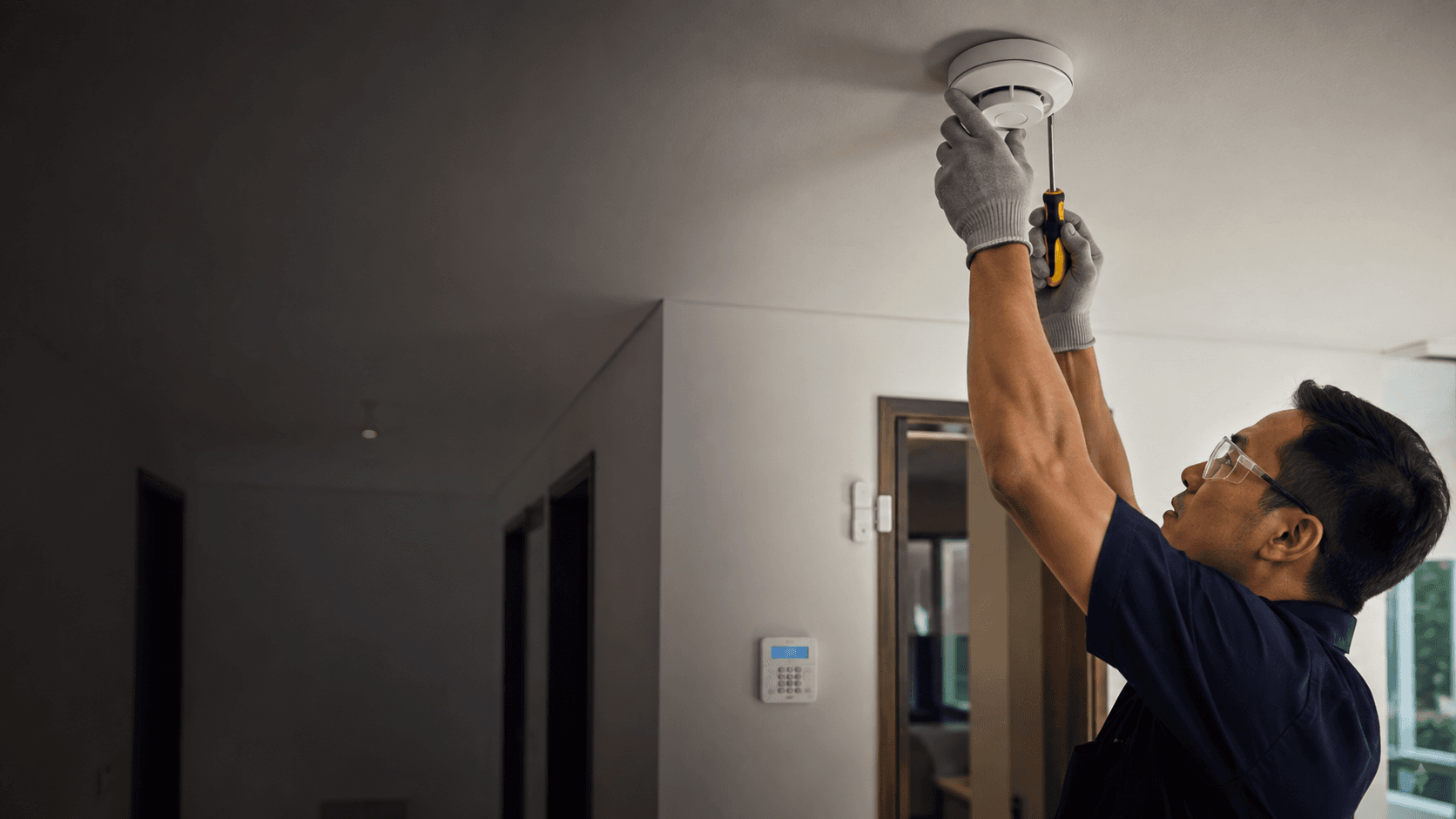
Smoke Detector Fitting. What Matters Before You Choose
Smoke detector fitting starts with understanding that placement and alarm type determine how well a device performs. The National Fire Protection Association (NFPA) provides widely referenced guidance on installing and maintaining smoke alarms, and brands like Kidde and First Alert publish similar instructions for their own products. A smoke detector fitting project can be a simple battery-operated unit mounted by a homeowner or a hardwired installation that connects to a building's electrical system.
The decision process for smoke detector fitting usually follows a clear sequence:
Confirm the number of rooms and levels that need coverage, since each sleeping area and each level of a home typically requires an alarm.
Choose between battery-operated, hardwired, or 10-year sealed battery units based on the building layout and local requirements.
Select ceiling or wall placement that keeps the detector away from kitchens, bathrooms, and windows where false alarms occur.
Mount the base plate, connect the power source if hardwired, and attach the alarm head securely.
Test the unit after fitting and set a regular maintenance schedule for battery checks and cleaning.
Choosing the Right Smoke Detector Fitting
Smoke detector fitting requires matching the device to the space. Battery-operated alarms suit most homes because they need no electrical work and can be fitted almost anywhere. Hardwired alarms connect to the mains supply and often include battery backup, which suits newer builds and renovations where wiring is accessible. The NFPA notes that interconnected alarms are valuable because when one unit sounds, all units sound, giving occupants more warning time.
Ionization and photoelectric sensors detect different fire types. Ionization alarms respond faster to flaming fires, while photoelectric alarms respond faster to smouldering fires. Combination units include both sensors and are the most flexible choice for general smoke detector fitting. For spaces where carbon monoxide is a concern, a combined smoke and CO alarm reduces the number of devices needed.
What Is Smoke Detector Fitting?
Smoke detector fitting is the physical process of installing a smoke alarm in the correct position and ensuring it works as intended. The term covers selecting the mounting location, securing the base, connecting power where needed, and testing the completed installation. It differs from smoke detector maintenance, which involves regular testing, battery replacement, and cleaning that happen after the initial fitting is complete.
The NFPA recommends installing smoke alarms inside every bedroom, outside each sleeping area, and on every level of the home. Ceiling mounting is preferred because smoke rises, and the alarm can be centrally located in the room. Wall mounting is acceptable when ceiling placement is impractical, but the alarm should sit on an inside wall, away from corners where dead air spaces reduce effectiveness.
Installing And Maintaining Smoke Alarms - NFPA
The NFPA's guidance on installing and maintaining smoke alarms forms the backbone of most smoke detector fitting advice. The organisation recommends testing alarms at least once a month and replacing batteries at least once a year, or when the low-battery warning sounds. Alarms themselves should be replaced every 10 years, or sooner if they fail to respond during testing.
The NFPA also advises keeping alarms clean by vacuuming them regularly to remove dust and cobwebs that can interfere with sensors. Painting over an alarm or covering it with a decorative housing can stop it from working and should be avoided. For hardwired units, the NFPA recommends having a qualified electrician handle the connection, particularly when adding new wiring or extending an existing circuit.
Practical Considerations for Smoke Detector Fitting
Placement distance matters during smoke detector fitting. The NFPA advises keeping wall-mounted alarms 4 to 12 inches from the ceiling and ceiling-mounted alarms at least 4 inches from the nearest wall. Alarms should sit at least 10 feet from cooking appliances to reduce nuisance alarms from normal cooking, and at least 3 feet from bathroom doors where steam can trigger false alerts.
Smoke detector fitting in Malaysia follows similar principles, though local building layouts and climate conditions can affect placement. High humidity and frequent use of air conditioning can influence where condensation forms, so avoiding direct airflow paths from vents helps maintain reliable operation. For commercial or office settings, a structured approach to smoke detector fitting supports clearer daily site control, similar to how Eyonic approaches security system installations for clients in Sarawak.
Eyonic's installation process for security systems includes a site survey, system proposal, installation, and handover. This same sequence applies logically to smoke detector fitting in commercial spaces, where a survey identifies coverage gaps, the proposal specifies alarm types and locations, and the handover includes testing and user guidance. For the Kuching Immigration Office project, Eyonic focused on arrival flow, staff areas, visitor movement, and dependable daily operation, showing how security device placement must account for how people actually move through a building.
Making an Informed Choice About Smoke Detector Fitting
Smoke detector fitting costs vary with alarm type and whether professional installation is needed. Battery-operated units are the least expensive to fit and suit most residential settings. Hardwired installations cost more because they require electrical work, but they remove the need for frequent battery changes and support interconnection between units.
A smoke detector fitting project for a single room can be completed in under an hour with basic tools. A whole-home installation takes longer, especially when hardwiring is involved. The trade-off between DIY fitting and professional installation comes down to the building's electrical system, the number of units needed, and confidence working with wiring.
Testing after smoke detector fitting is not optional. Pressing the test button confirms the alarm sounds, and for interconnected systems, testing one unit should trigger all connected units. Regular testing after the initial fitting catches battery drain and sensor issues before they become safety problems.
For commercial properties in Sarawak, Eyonic supplies and installs security systems including alarm systems, with packages available at RM 1599. The company's approach to site surveys and system proposals applies to smoke detector fitting as much as to CCTV placement, since both require understanding the physical space before recommending device positions. Share location, property type and required system with Eyonic on WhatsApp at +60 11-5111 7959 for the next practical step.