
What to Look for in a Spy Camera For Home
The core features that separate a useful spy camera for home from a frustrating one are power reliability, storage method, and detection triggers. A camera that runs out of battery during the exact moment it is needed provides no protection. Motion detection matters most for homes where the camera should only record when someone enters a room. Night vision becomes essential for monitoring dark hallways or rooms used after sunset. WiFi connectivity allows remote viewing, but it depends on a stable home network; a weak signal near the camera location will cause dropped feeds. Storage choices affect how much footage is kept. Local SD card storage keeps data on the device, while cloud storage allows access from anywhere but often involves subscription fees. For a home in Malaysia, where internet connections can vary by area, local storage offers a dependable fallback when the network fails.Where to Place a Spy Camera For Home
Placement determines both the camera's effectiveness and its legal standing. Common positions include living room shelves, near entry doors, and in rooms where caregivers or domestic helpers work. The camera should have a clear line of sight to the area of concern without being blocked by furniture or glare from windows. Eyonic's experience with the Kuching Immigration Office project shows how placement thinking applies beyond homes. That project focused on arrival flow, staff areas, and visitor movement, requiring cameras positioned to capture people moving through defined zones rather than random angles. The same logic applies at home. identify the flow of movement first, then position the camera to cover that path. Lighting conditions affect camera performance. Eyonic recommends checking actual lighting conditions before confirming placement for ColorVu-style cameras, which rely on ambient light for color night vision. A camera placed in a very dark corner may produce poor footage even if the device itself is capable.Camera Type Comparison for Home Use
| Type | Power Source | Storage | Best Placement |
|---|---|---|---|
| WiFi plug-in camera | Continuous wall power | SD card or cloud | Living room, entry hall, near power outlets |
| Battery camera | Rechargeable battery | SD card or cloud | Shelves, temporary monitoring spots |
| Hardwired camera | Wired connection | NVR or DVR | Fixed positions, long-term installation |
Legal Notes for a Spy Camera For Home in Malaysia
Malaysia does not publish a single law that clearly governs hidden cameras inside private homes. The Personal Data Protection Act 2010 (PDPA) applies mainly to commercial data processing, not to an individual recording inside their own residence. However, recording areas where someone has a reasonable expectation of privacy, such as bathrooms or bedrooms used by guests, creates legal risk. The practical rule for a spy camera for home in Malaysia is to record common areas only. Living rooms, entryways, and hallways are generally acceptable. Bathrooms, changing areas, and guest bedrooms should be avoided unless all occupants have given clear consent. Audio recording adds another layer of concern, as Malaysia's laws on private conversation recording are stricter than video-only capture. For households with domestic helpers, transparency is the safer path. Informing household staff that cameras are present in common areas avoids disputes about consent and keeps the recording defensible if it is ever reviewed.Installation Process for a Spy Camera For Home
A structured installation reduces the chance of poor footage or missed events. The process mirrors what Eyonic follows for professional CCTV work, which includes site survey, system proposal, installation, and handover.- Walk through each room and note entry points, valuables, and movement patterns to define what the camera must capture.
- Select the camera type based on power availability at the chosen spot, checking whether an outlet exists or a battery unit is needed.
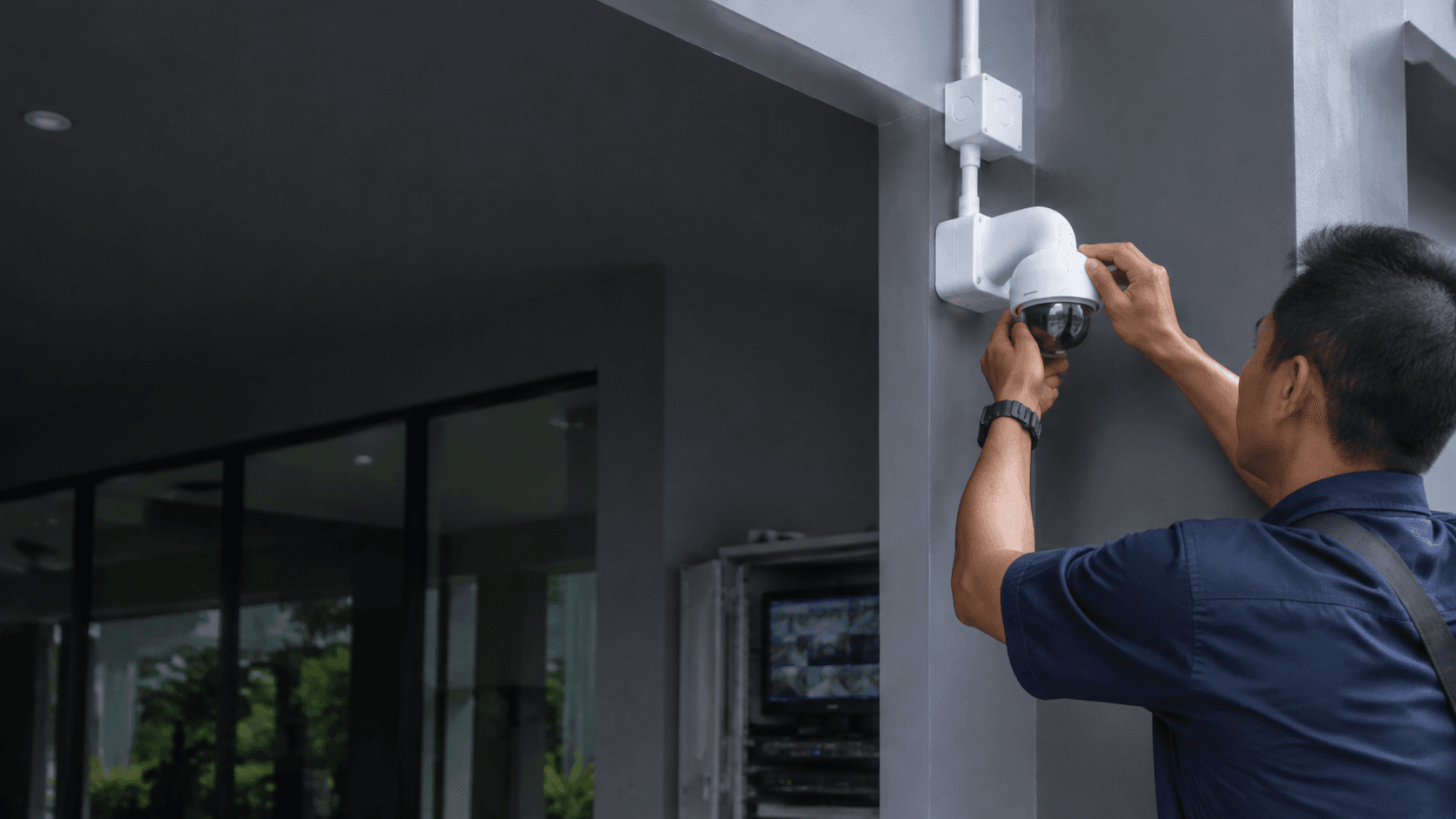
- Mount or place the camera at the planned angle, then verify the view covers the intended area without obstructions.
- Connect the camera to WiFi or the recording system, and confirm the app or monitor shows a live feed with clear image quality.
- Test motion detection and night vision by walking through the room in low light, then review the recorded clip to confirm it captured the event.