
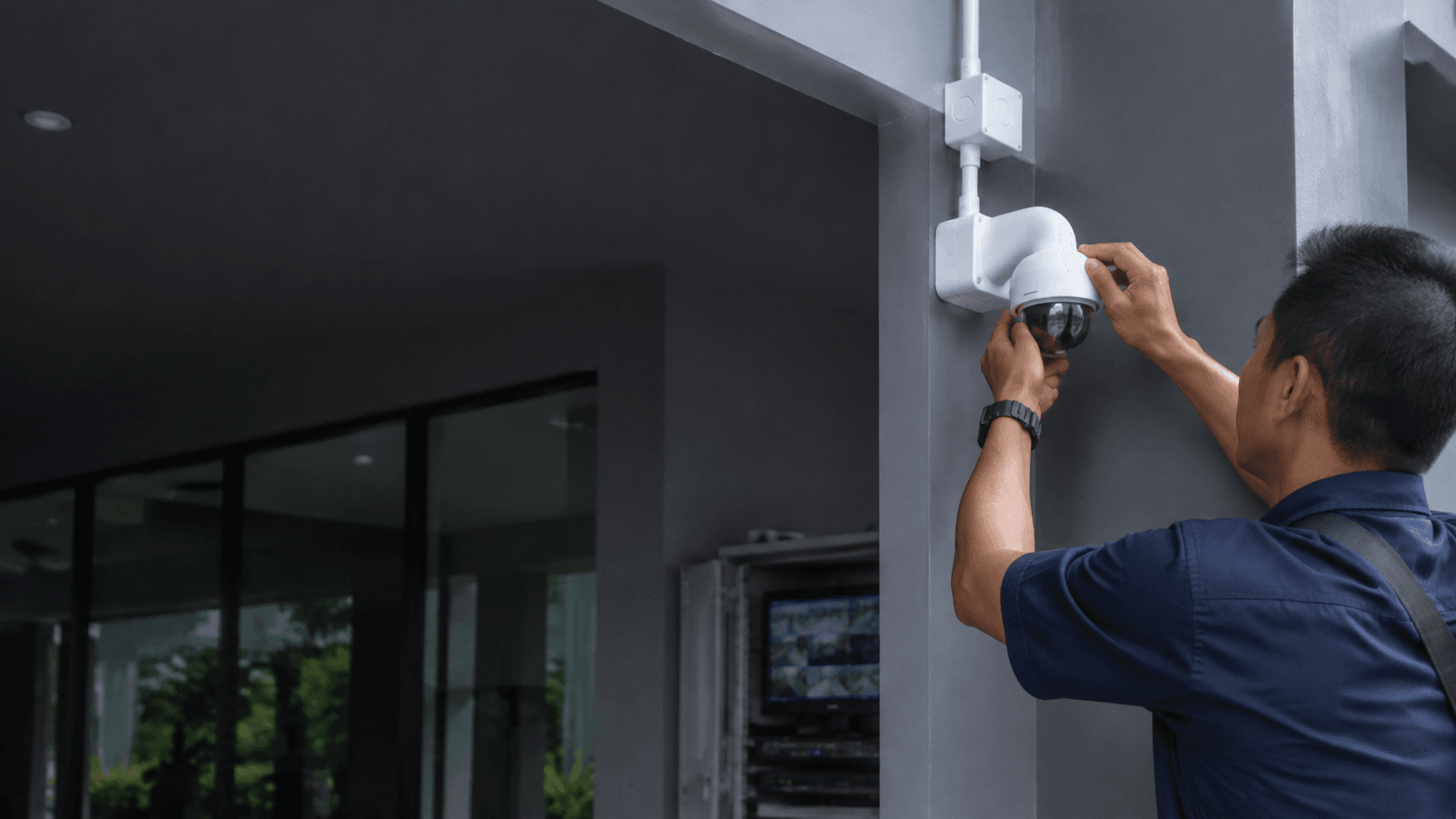
The search for the best surveillance system usually hides a simpler question: which setup actually fits one building, one budget, and one daily routine. Eyonic Sdn Bhd, a security system supplier in Sarawak, Malaysia, works through site survey, system proposal, installation, and handover, so the answer depends on the property rather than a single product ranking.
Best Surveillance System. What Matters Before You Choose
Coverage, recording, and viewing access decide most of the outcome. A camera that watches the wrong angle records nothing useful, and a recorder that fills too quickly loses the footage that matters. Eyonic's own installation process starts with a site survey and a system proposal before any hardware is mounted, which keeps those three decisions tied to the actual building.
Lighting is the most common blind spot. Eyonic recommends checking actual lighting conditions before confirming placement for ColorVu-style cameras, because a position that looks adequate in daylight can behave differently after dark. That check belongs in the survey stage, not after installation.
- Survey the site and note entry points, staff areas, visitor routes, and existing cabling.
- Match camera positions to real lighting and sightlines rather than to a standard template.
- Size the recorder and storage so retention matches how far back footage must be reviewed.
- Confirm how footage will be viewed remotely and who holds access.
- Install, test zones and playback, then hand over with user guidance.
Choosing the Right Surveillance System
The right choice follows the property type. A shop with a single entrance needs different coverage from an office with staff movement and visitor handling, and an industrial site adds distance and cable runs that change the plan. Eyonic's CCTV work covers homes, offices, shops, and industrial sites, which means the same survey process produces different hardware lists depending on the building.
Budget shapes the decision next. Eyonic lists a Hikvision CCTV package at RM 1,599 covering camera supply and setup, basic recording configuration, and mobile viewing handover. That figure describes one package tier, not a universal price, and larger sites with more cameras or longer cable runs sit above it.
What is a surveillance system?
A surveillance system is the combination of cameras, a recorder, storage, and a viewing method that together capture and retain footage of a property. The camera is only one part. Recording configuration, retention, and remote viewing determine whether the footage is usable when someone needs to check it.
Wired or wireless
Wired systems carry power and data over fixed cabling, which suits permanent installations where cable routes exist or can be added tidily. Wireless systems reduce cabling work but depend on signal quality at each camera position. The trade-off is installation effort against reliability and placement freedom, and the survey usually settles it once cable routes and signal conditions are visible.
Storage and retention
Local recording keeps footage on a recorder on site, while cloud storage moves it off site. Local recording avoids recurring subscription costs and keeps working without an internet connection, but the recorder itself becomes a device that needs a secure location. Retention length depends on camera count, resolution, and how much activity the cameras capture.
Practical Considerations for a Surveillance System
Placement decisions carry more weight than brand comparisons in most buildings. Arrival flow, staff areas, and visitor movement are the zones that matter in a public-facing office, and that pattern appeared in Eyonic's project for the Kuching Immigration Office, which focused on those areas and on dependable daily operation.
Office and consultancy sites add a different priority. Eyonic's work for KTA Sarawak Sdn Bhd supported staff movement, visitor handling, tidy cabling, and clearer daily site control, which shows how much of the outcome depends on cabling discipline and zone planning rather than camera count alone.
| Property type | Typical priority | Main constraint |
|---|---|---|
| Home | Entry points and perimeter | Camera placement without disrupting daily use |
| Shop | Counter, entrance, and stock areas | Lighting variation across the trading day |
| Office | Staff movement and visitor handling | Tidy cabling and access permissions |
| Industrial site | Distance coverage and perimeter | Cable runs and power availability |
Access control sits alongside cameras in many buildings. Eyonic notes that smart locks work best when door condition, user roles, and a backup entry method are reviewed before installation, and that business use sometimes calls for an access-control panel instead of a standalone smart lock. That review prevents a lock choice from blocking a later system decision.
Costs and what drives them
Camera count, cable distance, recorder capacity, and site complexity drive cost more than any single brand. Eyonic's published project budgets illustrate the range: the Kuching Immigration Office project carried an approximate budget of RM 12,000 to RM 28,000, while the KTA Sarawak Sdn Bhd office project carried an approximate budget of RM 8,000 to RM 18,000. Both figures describe those projects, not a standard quotation.
Edge cases worth planning for
Public-facing buildings need coverage that respects both security and normal movement through the space. Sites with unreliable power or internet need recording that continues locally. Buildings with multiple tenants need clear decisions about who holds viewing access and who can export footage. Each of these changes the plan before hardware is chosen.
Making an Informed Choice About a
A workable decision comes from matching coverage to the building, confirming lighting at each position, and agreeing on retention and access before installation begins. Eyonic's founder, Eric Yong, has worked in the industry for more than ten years with a focus on technical installation of digital security solutions for commercial businesses in Sarawak, which is the kind of experience that surfaces placement problems during the survey rather than after handover.
For readers in Sarawak, the practical next step is to share the location, property type, and required system with Eyonic on WhatsApp at +60 11-5111 7959. That information is what turns a general search into a specific plan.