
EyonicELV Systems
Open navigation
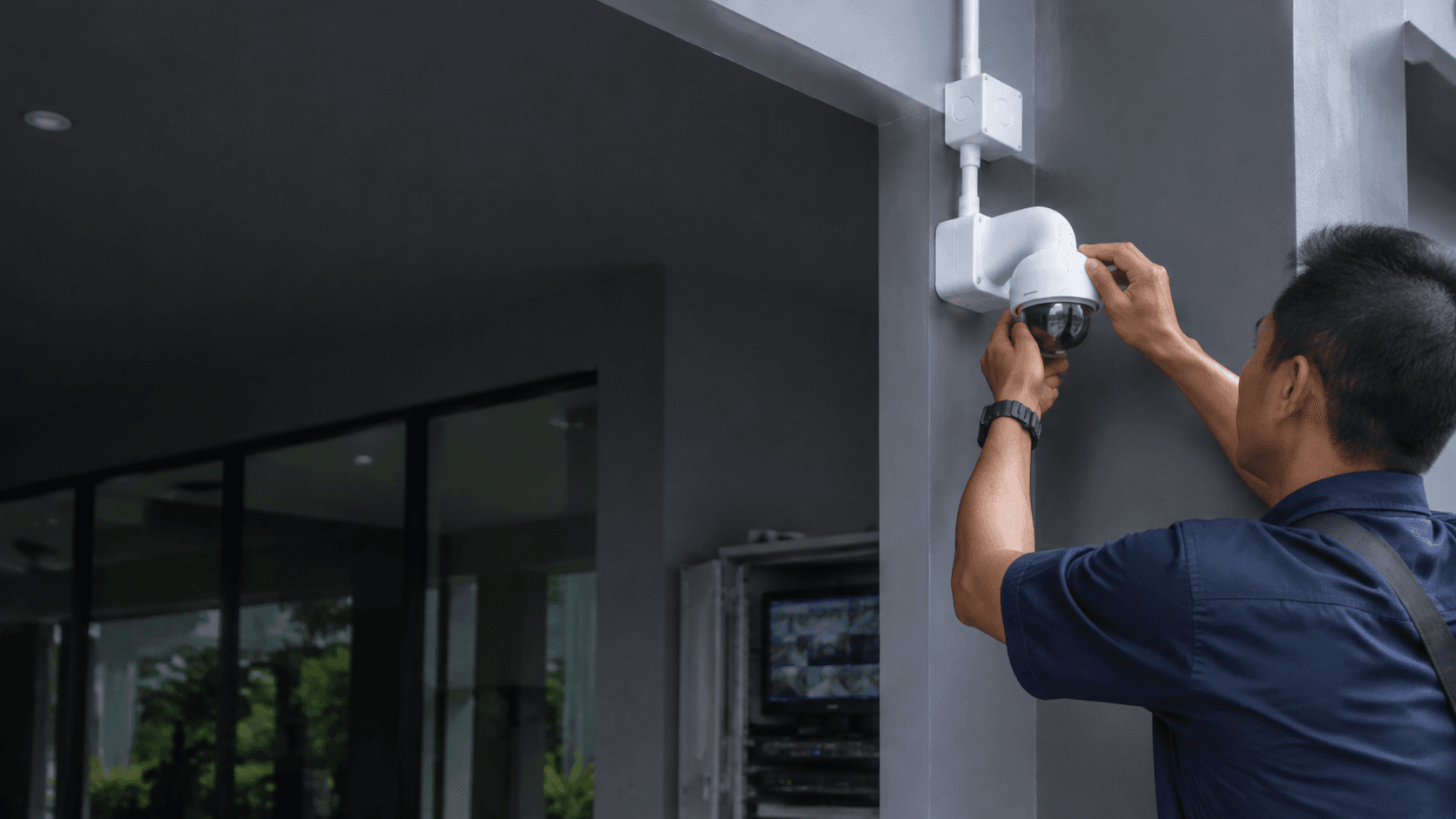
Security technician installing a CCTV surveillance camera

Cctv Surveillance Cameras: Choosing for Your Property

CCTV surveillance cameras record and transmit video for security monitoring, with Eyonic supplying and installing systems for homes, offices, shops, and industrial sites in Sarawak.

CCTV surveillance cameras have moved from simple recording tools to networked systems that support live viewing, playback, and event review from a phone or computer. For property owners in Malaysia, the practical question is not just which camera to buy, but how the whole system fits the site, the lighting, and the way the space is actually used.

What CCTV Surveillance Cameras Do on a Property

A complete CCTV surveillance cameras setup usually pairs cameras with a recorder, storage, and viewing software. The cameras capture footage, the recorder stores it, and remote viewing lets an owner check live or recorded video without being on site. Eyonic plans, supplies, and installs monitoring systems with camera placement, recording, and remote viewing for homes, offices, shops, and industrial sites. The value of a camera system depends on placement and coverage. A camera pointed at a blank wall records nothing useful. Cameras need to cover entry points, walkways, and areas where goods or people move. Eyonic's work for the Kuching Immigration Office focused on arrival flow, staff areas, visitor movement, and dependable daily operation, which shows how coverage follows the actual activity in a building.

Key Features to Compare in CCTV Surveillance Cameras

When comparing CCTV surveillance cameras, the features that matter most depend on where the camera sits and what it needs to capture.
  1. Check the lighting at the proposed camera location before choosing a model, since low-light performance varies widely between cameras.
  2. Confirm the camera's field of view covers the full entry point or corridor, not just a narrow slice of it.
  3. Verify the recorder has enough storage for the number of cameras and the retention period the site needs.
  4. Test remote viewing from the actual device that will be used, such as a phone or office computer, before finalising the system.
Lighting deserves special attention. Eyonic recommends checking actual lighting conditions before confirming placement for ColorVu-style cameras, which are designed to produce colour images in low light. A camera that performs well in a showroom may struggle in a dimly lit car park or a shaded walkway. The site survey should note where light comes from, whether it changes through the day, and whether the camera will face into glare or darkness.

How to Choose CCTV Surveillance Cameras for Your Site

Choosing CCTV surveillance cameras starts with defining what the system must protect and who needs to see the footage. A home owner may want to check the front gate and back door. A shop may need to cover the counter, the stockroom, and the entrance. An office may need to monitor staff areas and visitor movement. The property type changes the camera selection. Indoor cameras suit controlled environments with steady lighting. Outdoor cameras need weather resistance and stronger low-light performance. A site with wide open areas may need fewer cameras with wider lenses, while a site with many corners and doorways may need more cameras with narrower views. Budget also shapes the choice. Eyonic's project for the Kuching Immigration Office carried an approximate budget of RM 12,000 to RM 28,000, while a smaller office setup for KTA Sarawak Sdn Bhd ran from RM 8,000 to RM 18,000. These ranges show that system cost scales with the number of cameras, the recorder capacity, and the complexity of the installation, not just the camera price.

Installation Process for CCTV Surveillance Cameras

Eyonic's CCTV installation process follows a clear sequence: site survey, system proposal, installation, and handover. Each stage has a distinct purpose. The site survey is where the installer walks the property, notes the lighting conditions, identifies the entry points and activity zones, and checks where cables can run. This is the stage where a camera that looks good on paper gets rejected because the actual conditions do not support it. The system proposal turns the survey into a concrete plan. It lists the cameras, the recorder, the storage, and the placement for each unit. This is the point where the owner sees the cost and can adjust the scope before any equipment is bought. Installation covers the physical mounting of cameras, running the cables, setting up the recorder, and configuring the network for remote viewing. The final handover includes showing the owner how to view footage, how to use the app or software, and what to do if a camera goes offline.

CCTV Surveillance Cameras for Different Property Types

CCTV surveillance cameras serve different purposes across property types, and the system design should reflect that. For homes, the priority is usually covering entry points, the driveway, and outdoor areas where intruders might approach. A small system with four to eight cameras often covers a typical house. Remote viewing matters here because home owners want to check the property while away. For shops and retail, the counter and the stockroom are the critical zones. The system needs to capture transactions clearly enough to resolve disputes and to monitor staff and customer movement. Placement should avoid blind spots behind shelves or pillars. For offices, the focus shifts to staff areas, visitor handling, and tidy cabling. Eyonic's work for KTA Sarawak Sdn Bhd, an engineering consultancy, needed a practical office setup in Kuching to support staff movement, visitor handling, tidy cabling, and clearer daily site control. This shows how an office system is as much about operational clarity as about security. For industrial sites, the scale is larger and the conditions are harsher. Cameras may need to cover loading bays, storage yards, and production floors, often outdoors and in variable light. The system needs to be dependable for daily operation, as Eyonic's Kuching Immigration Office project demonstrated.

Getting Started with CCTV Surveillance Cameras in Malaysia

The first step for CCTV surveillance cameras in Malaysia is a site survey, not a product search. A survey reveals the actual conditions that will determine which cameras work and where they should go. Eyonic's process starts with this assessment, then moves to a proposal, installation, and handover. Share your location, property type and required system with Eyonic on WhatsApp at +60 11-5111 7959 for the next practical step.