
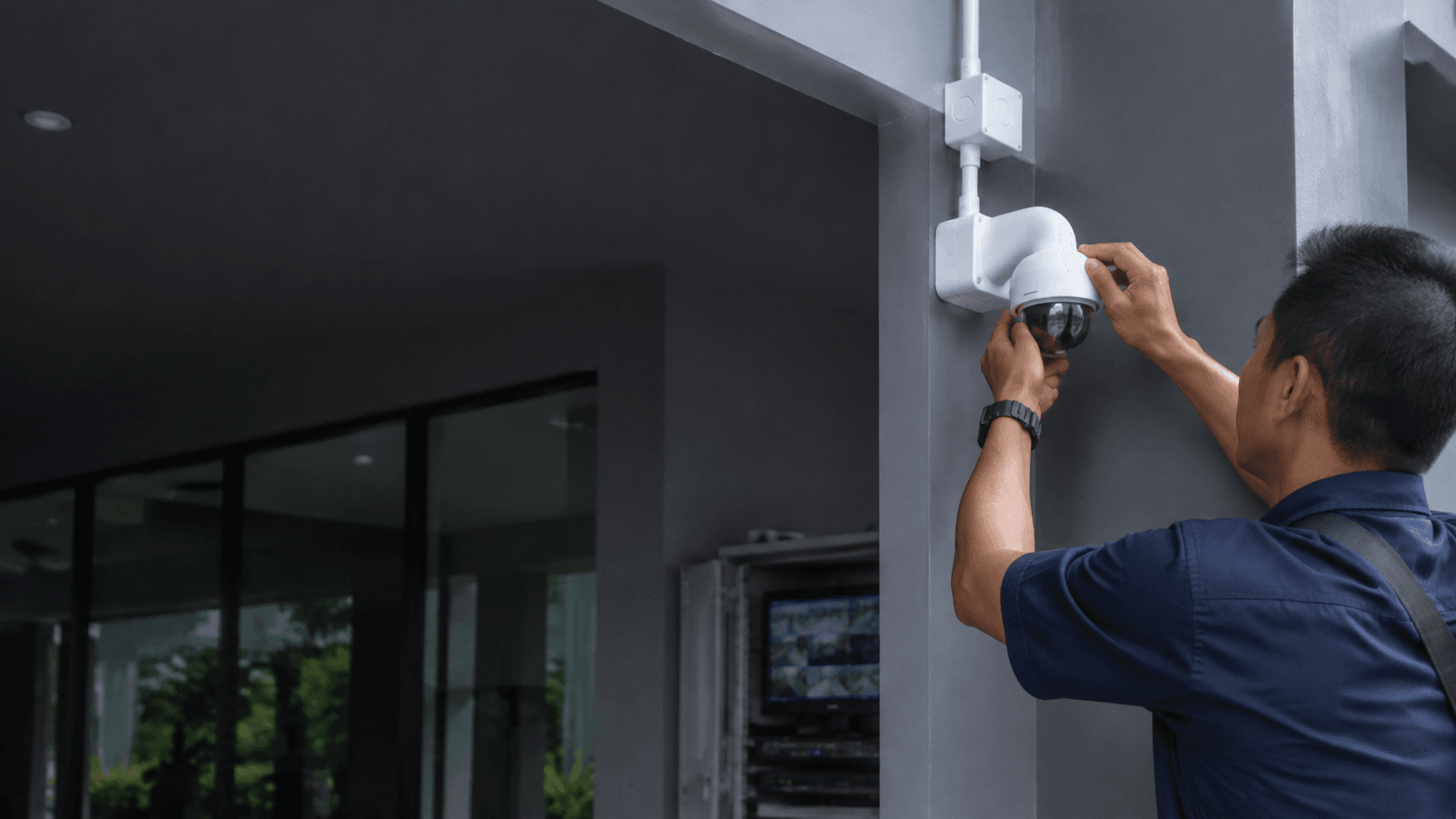
The exact-match query zebronics cctv camera covers a family of surveillance products rather than one device. Zebronics lists WiFi smart cameras, HD dome cameras, HD bullet cameras, fish eye cameras, IP cameras, and recorders under its CCTV and surveillance collections. Buyers comparing these models usually weigh resolution, night vision range, connectivity type, and whether the camera needs a recorder or works over WiFi or 4G on its own.
This guide explains what each Zebronics camera family does, how the models differ, and which practical constraints matter before a purchase decision.
Zebronics Cctv Camera. What Matters Before You Choose
Four decisions shape the outcome: how the camera connects, how much detail the scene needs, how far the infrared range must reach, and whether recording happens locally or in the cloud.
- Confirm the connection type — WiFi, 4G SIM, or wired HDTVI over coax.
- Match resolution to the scene — 2MP for general coverage, 3MP where finer detail helps.
- Check the night vision range against the distance the camera must cover.
- Decide where recordings live — microSD card, cloud storage, or a recorder.
- Verify the housing rating if the camera sits outdoors.
Connection type is the first fork because it determines cabling, recorder needs, and where the camera can physically go. A WiFi camera needs a stable wireless signal at the mounting point. A 4G model needs a SIM data plan. A wired HDTVI camera needs coax cable running back to a compatible recorder.
Choosing the Right Zebronics Cctv Camera
The right model depends on the site. Indoor rooms suit the Zeb Smart Cam 100, outdoor perimeters suit weatherproof dome or bullet models, and sites without network cabling suit the 4G dome.
Zebronics Smart Cam 100 CCTV Camera
The Zeb Smart Cam 100 is a smart WiFi camera with 1080P Full HD video, two-way audio, motion detection, and a 5m IR range. It connects wirelessly, stores recordings on a microSD card or cloud storage, and works through the Zeb Home app on iOS and Android. It also supports Alexa and Google. The 5m IR range suits a single room rather than a yard, so this model fits indoor monitoring where the subject stays close to the lens.
Zebronics HDTVI D2 CCTV Dome Camera
The Zeb HDTVI D2 is a 2MP dome camera with a fixed 2.8mm lens, 30fps output, a built-in mic, and a 20M IR range. It carries an IP67 rating and an ABS plastic housing, and it outputs AHD, CVI, TVI, and CVBS formats over coax. The 20M IR range covers a longer distance than the Smart Cam 100, and the IP67 rating supports outdoor mounting. This model needs a compatible recorder because it is a wired HDTVI unit, not a standalone WiFi camera.
Zebronics WFPD3M Surveillance 4G Dome Camera
The Zeb WFPD3M is a 3MP dome camera that connects over a 4G SIM using FDD-LTE and TDD-LTE bands. It offers smart night vision, motion detection alerts, 10X digital zoom, two-way audio, and microSD storage, with app monitoring on Android and iOS. It also has an RJ45 LAN port and runs on DC12V/1A. The 4G connection removes the need for a wired network link, which helps at sites where running cable is impractical.
Zeb HDTVI B2 and Other Bullet Models
The Zeb HDTVI B2 is a 2MP bullet camera with a 2.8mm fixed lens, 30fps output, a built-in mic, and a 20M IR range. It shares the IP67 rating and the AHD, CVI, TVI, and CVBS output formats of the D2, and it supports control features including AGC, BLC, AWB, WDR, DNR, DWDR, HLC, UTC, and OSD. The bullet shape points in one direction, which suits a fixed view along a wall or fence line.
What is
A Zebronics cctv camera is a surveillance device sold under the Zebronics brand across several product families. The range includes WiFi smart cameras, HDTVI dome and bullet cameras, 4G dome cameras, fish eye cameras, and IP cameras, alongside supporting equipment such as power supplies, POE switches, CCTV cables, CAT 6 cables, and video recorders.
The models differ mainly in how they connect and what they record onto. WiFi and 4G cameras stream to a phone app and store on a memory card or cloud service. HDTVI cameras send video over coax to a recorder. IP cameras use a network connection and can work with ONVIF-compatible software.
CCTV & Surveillance
Zebronics sells the cameras alongside the parts needed to complete a system. The collection includes power supplies, POE switches, CCTV cables, CAT 6 cables, and video recorders, including NVR and XVR units.
Recorder choice follows camera type. HDTVI cameras pair with XVR recorders that accept AHD, CVI, and TVI signals. IP cameras pair with NVR recorders. POE switches supply power and data to IP cameras over one cable, which reduces the number of separate power runs. Cable selection matters too. CAT 6 cable carries network and POE traffic, while coax carries HDTVI signals.
For sites that need cameras plus recording plus power in one plan, the supporting equipment list is as important as the camera list. A camera that cannot reach a recorder or a power source will not deliver usable footage.
Practical Considerations for
Several constraints decide whether a chosen model works in practice. These are the points that most often change a plan after the camera is already selected.
Lighting conditions affect image quality more than resolution alone. Checking actual lighting at the mounting point before confirming placement is a step that prevents disappointment, because a camera rated for low light still needs enough ambient light to render colour detail. A site that is dark for most of the night will rely on infrared, and infrared produces monochrome footage.
Network reach limits WiFi and IP models. A WiFi camera at the far end of a building may drop frames or lose connection. A 4G camera depends on mobile coverage at that spot, and data usage grows with resolution and recording frequency.
Storage capacity sets the recording window. A microSD card fills up, and the retention period depends on resolution, frame rate, and how often motion triggers recording. Cloud storage shifts that limit but adds a recurring cost.
Housing and mounting decide outdoor viability. An IP67 rating supports outdoor use, but the mounting surface, cable entry, and connector sealing still affect long-term reliability. Exposed connectors can let water in even when the camera body is sealed.
Recorder compatibility is a hard constraint for wired models. An HDTVI camera needs a recorder that accepts its output format. Buying a camera without checking the recorder's supported formats can leave the two unable to work together.
Making an Informed Choice About
A workable choice starts with the site, not the product page. The sequence below reflects how a professional installation is typically planned, from survey through handover.
- Survey the site and note lighting, mounting points, and cable routes.
- Propose a system that matches camera type to each location.
- Install cameras, cabling, and recording equipment.
- Hand over the system with mobile viewing configured and users tested.
Eyonic, a security system supplier in Sarawak, Malaysia, follows a process of site survey, system proposal, installation, and handover for CCTV work. The company completed a project for the Kuching Immigration Office covering arrival flow, staff areas, visitor movement, and dependable daily operation, and a separate office project for KTA Sarawak Sdn Bhd covering staff movement, visitor handling, tidy cabling, and clearer daily site control. Those projects show the kind of planning that precedes camera selection: the site's movement patterns and daily operating needs come first, and the equipment follows.
For buyers comparing Zebronics models, the same logic applies at a smaller scale. A single indoor room needs one kind of camera. A shopfront with an outdoor approach needs another. A site without network cabling needs a third. Matching the model to the location avoids both overspending and coverage gaps.
Where a site needs cameras, recording, power, and cabling planned together, a supplier that handles survey and installation can align the parts before purchase. Eyonic can be reached on WhatsApp at +60 11-5111 7959 with the location, property type, and required system.