
Replacing Carbon Monoxide Detector: Understanding Lifespan
Carbon monoxide detectors have a finite service life. Most manufacturers design their units to function for a specific number of years, after which the internal sensor can no longer reliably detect carbon monoxide gas. The lifespan varies by model and power source. For example, Kidde, a leading brand in fire safety, states that their carbon monoxide alarms generally need replacement after 5 to 7 years for battery-powered units and up to 10 years for hardwired models with sealed lithium batteries.
Knowing the manufacture date is crucial. The date is usually printed on the back of the device. Some models also include a "replace by" date. If you cannot find these dates, it is safest to replace the detector immediately.
Signs That Indicate Replacing Carbon Monoxide Detector Hardware
Detectors communicate their status through distinct audible and visual patterns. A short chirp every 30 to 60 seconds typically signals a low battery, while a different pattern often indicates end of life. Many modern units produce a specific sequence of chirps accompanied by a flashing light to distinguish between these conditions.
Battery replacement will not resolve an end-of-life warning. When a detector reaches this state, the sensor has degraded beyond reliable operation. Continuing to use an expired detector creates a false sense of security, as the unit may fail to sound during an actual carbon monoxide leak.
Lifespan Expectations for Different Detector Types
Detector lifespan varies by power source and design. Battery-powered units typically last between 5 and 7 years, while hardwired detectors with sealed lithium batteries often operate for up to 10 years. The specific lifespan depends on the sensor technology used and the manufacturer's design specifications.
Checking the manufacture date printed on the back of the detector provides the clearest indication of remaining service life. Many units include a replace-by date alongside the manufacture date, simplifying the replacement schedule. If either date is missing or unreadable, replacing the unit immediately is the prudent course of action.
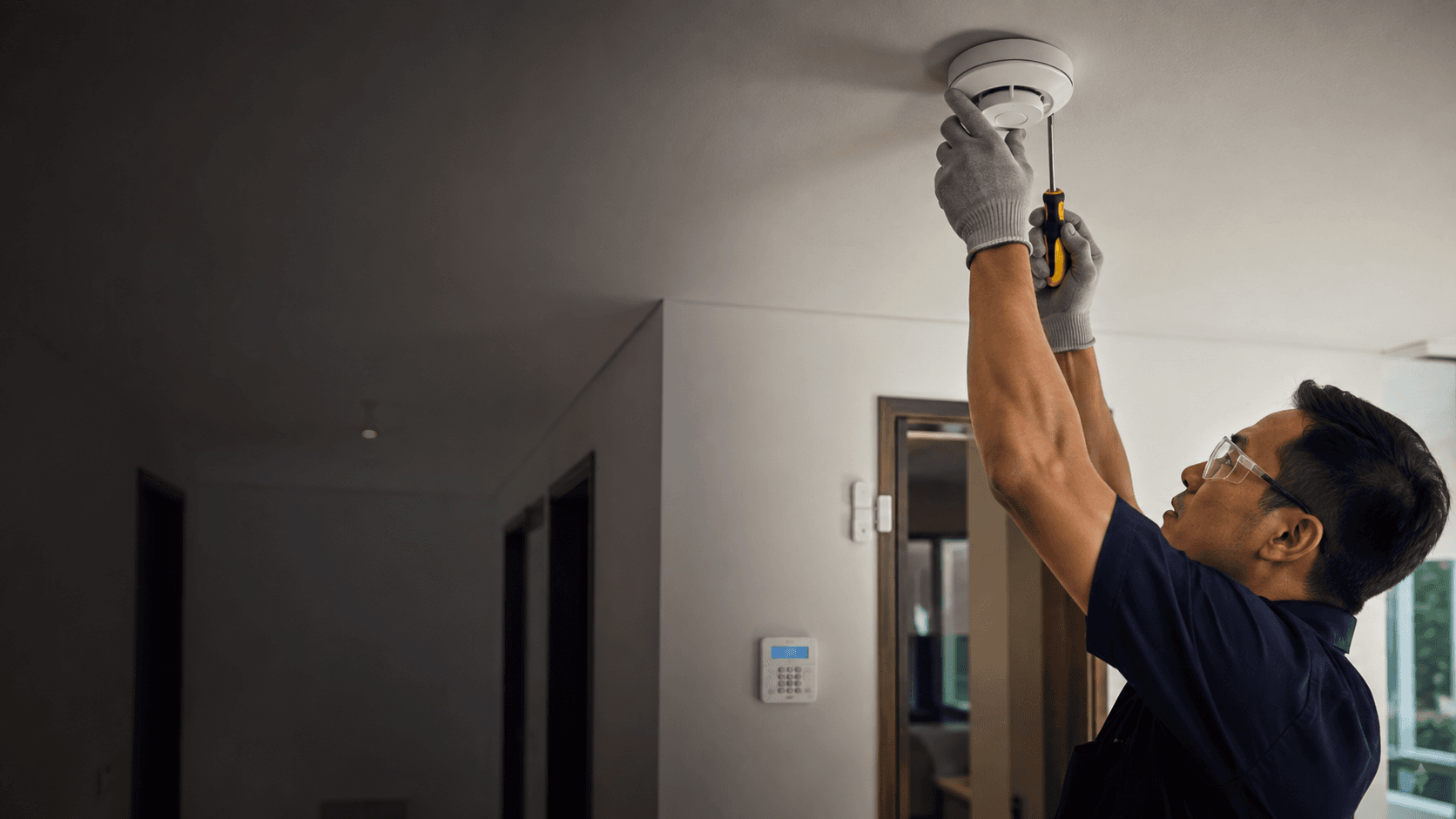
How to Approach Replacing Carbon Monoxide Detector Units
Following a systematic process ensures the new detector installs correctly and provides immediate protection. The replacement procedure involves removing the old unit, preparing the mounting location, and installing the new detector according to manufacturer instructions.
- Remove the old detector from its mounting plate by twisting or sliding it according to the manufacturer's release mechanism.
- Disconnect any wiring for hardwired units and remove the mounting plate from the wall or ceiling.
- Install the new mounting plate using the included hardware, ensuring it sits level and secure.
- Connect the wiring for hardwired models or insert the batteries for battery-powered units.
- Attach the new detector to the mounting plate and press the test button to verify proper operation.
Testing the new unit after installation confirms that the sensor responds correctly. Pressing and holding the test button should produce a loud alarm within a few seconds. If no alarm sounds, the unit may be defective or improperly installed, requiring immediate attention.
Placement Considerations During Replacing Carbon Monoxide Detector Installation
Location plays a critical role in detector effectiveness. Carbon monoxide mixes evenly with air, so detectors can be mounted at any height, unlike smoke detectors which should sit high on walls or ceilings. The US Environmental Protection Agency (EPA) recommends placing detectors in the hallway outside each sleeping area and on every level of the home.
Avoid installing detectors near fuel-burning appliances, as these locations may produce false alarms from normal combustion byproducts. Keep units at least 15 to 20 feet away from furnaces, water heaters, and stoves. Similarly, avoid areas with high humidity, such as bathrooms, and locations near windows or vents where airflow could dilute gas concentrations.
For properties with attached garages, placing a detector between the garage and living spaces provides early warning for vehicle exhaust infiltration. Detectors should also be installed in rooms where occupants spend significant time, particularly bedrooms and home offices.
Practical Considerations for Replacing Carbon Monoxide Detector Systems
Hardwired detectors require additional planning during replacement. Before beginning work on a hardwired unit, turn off power to the circuit at the breaker panel. Use a voltage tester to confirm the power is off before touching any wires. If the wiring connections appear damaged or corroded, consult a qualified electrician rather than attempting repairs.
Combo units that detect both smoke and carbon monoxide follow the same replacement timeline as dedicated carbon monoxide detectors. These units provide comprehensive protection in a single device, though they may require more frequent replacement depending on the sensor technology used. The smoke detection component does not extend the carbon monoxide sensor's lifespan.
Some security and smart home systems integrate carbon monoxide detection into their platforms. These systems may use proprietary detectors that require specific replacement procedures. Contacting the system provider or consulting the installation guide ensures compatibility and proper configuration after replacement.
Disposal of Expired Carbon Monoxide Detectors
Expired detectors require proper disposal rather than placement in regular trash. Many detectors contain small amounts of radioactive material used in the ionization sensor, though newer models increasingly use electrochemical sensors without radioactive components. Check with local waste management authorities for recommended disposal methods in the area.
Some manufacturers offer take-back programs for their expired detectors. These programs ensure environmentally responsible disposal and may provide recycling options for the plastic housing and electronic components. Checking the manufacturer's website or contacting customer support provides guidance on available disposal options.
Making an Informed Choice About Models
Selecting a replacement detector involves matching the new unit to the specific needs of the property. Consider the power source compatibility, sensor type, and additional features such as digital displays or voice alerts. Digital displays show current carbon monoxide levels, providing early warning before dangerous concentrations develop.
Sealed battery units eliminate the need for battery replacements during the detector's lifespan. These units typically last longer than detectors with replaceable batteries and remove the risk of removing batteries for other uses. However, the entire unit must be replaced when the battery depletes, making the lifespan and end-of-life signals particularly important to monitor.
Interconnected detectors provide whole-home protection by sounding all units when one detects carbon monoxide. This feature proves especially valuable in larger homes where an alarm in the basement may not be audible in upstairs bedrooms. Wireless interconnection simplifies installation compared to hardwired systems that require running cables between units.
Regular testing after installation ensures continued protection. The EPA recommends testing carbon monoxide detectors at least once per month and replacing batteries at least once per year for units with replaceable batteries. Marking the test schedule on a calendar or setting a phone reminder helps maintain a consistent testing routine.
For property owners managing multiple buildings or commercial spaces, tracking detector installation dates across all units prevents missed replacements. Maintaining a log of installation dates, model numbers, and expected replacement dates simplifies the management process. This approach ensures no detector exceeds its designed lifespan without replacement.
When the time comes to replace an expired detector, acting promptly maintains continuous protection. An expired detector provides no warning capability, leaving occupants vulnerable to carbon monoxide exposure. Replacing the unit immediately upon recognizing end-of-life signals closes this protection gap without delay.