
What Burglar Alarm Installation Involves
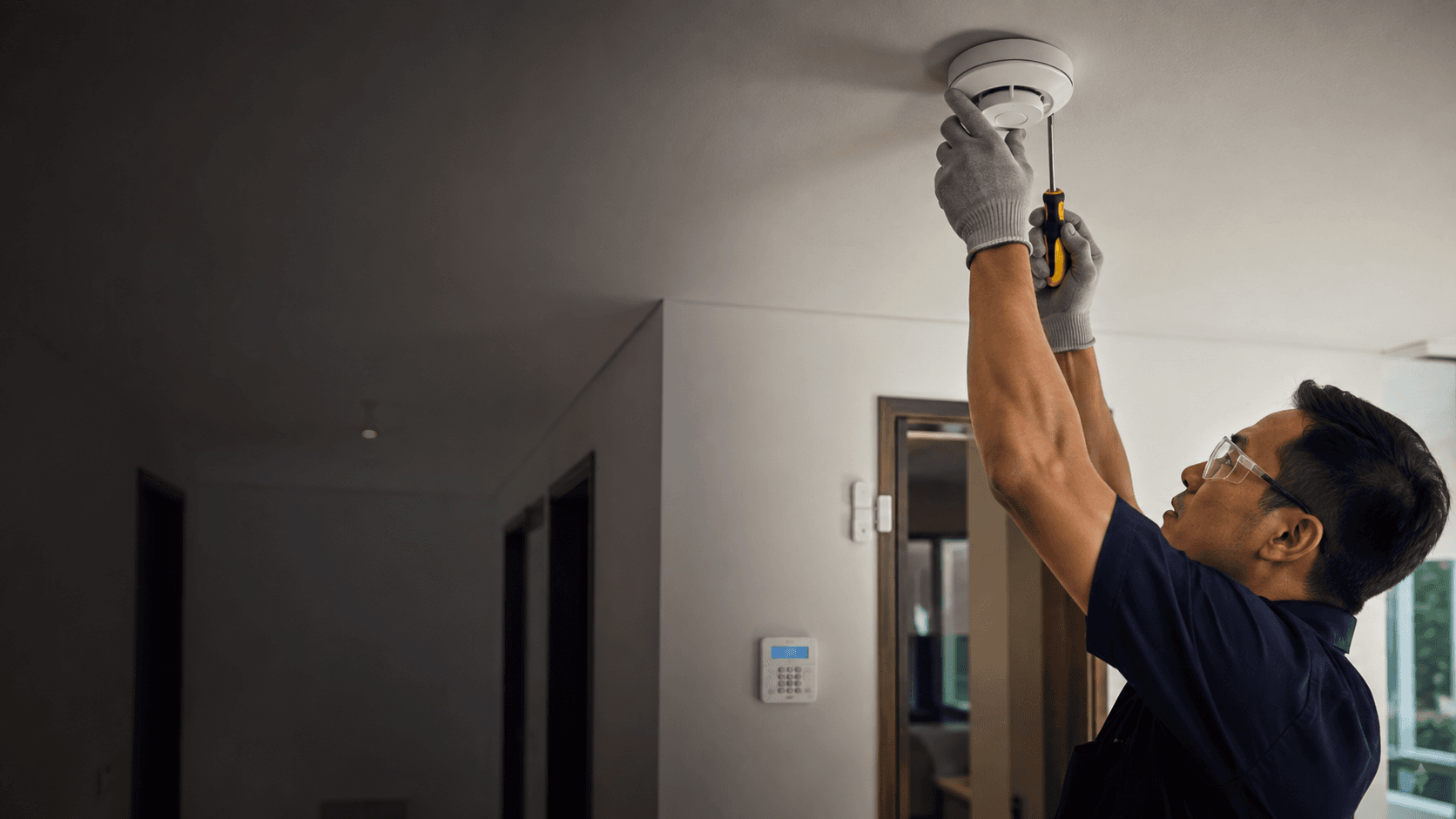
Burglar alarm installation starts with a site survey to map entry points, blind spots, and existing security equipment. Eyonic Security Systems, a security system supplier in Sarawak, Malaysia, follows a process that moves from site survey to system proposal, then installation and handover. That same structure applies to alarm work and keeps expectations clear before any equipment is mounted.
A practical burglar alarm installation follows a sequence that most professional security providers use. Eyonic's CCTV installation process, which applies equally to alarm work, moves from site survey to system proposal, then installation and handover. That same structure keeps expectations clear before any equipment is mounted.
- Survey the property to map entry points, blind spots, and existing security equipment.
- Match the alarm type to the building layout and daily usage patterns.
- Install sensors, detectors, and the control panel in positions that avoid false triggers.
- Test every zone and demonstrate how to arm, disarm, and respond to alerts.
Choosing the Right Burglar Alarm Installation
Burglar alarm installation is not a one-size-fits-all purchase. A shop with glass storefronts needs different coverage than an office with staff moving after hours. A home with pets needs motion detectors that ignore animal movement. The installer should ask about these conditions before recommending equipment, not after the system is mounted.
Wired systems run cables to each sensor and tend to suit new builds or renovations where walls are open. Wireless systems install faster and adapt to rented spaces, but batteries need scheduled replacement. Smart alarms add remote control through an app, which helps property owners check status while away. Each option carries trade-offs in installation time, maintenance, and monthly monitoring cost.
What Is Burglar Alarm Installation?
Burglar alarm installation is the process of placing and connecting the components that detect unauthorized entry and raise an alert. The core parts are door and window contacts, motion detectors, a control panel, and a siren or communicator. Some systems also include glass-break sensors and panic buttons for higher-risk areas.
The control panel is the decision point. It receives signals from each sensor and decides whether to sound the local siren, notify a monitoring station, or both. Sensor placement matters more than brand choice. A motion detector aimed at a window that receives direct sunlight can trigger false alarms. Eyonic recommends checking actual lighting conditions before confirming placement for camera systems, and the same logic applies to alarm sensors that rely on infrared detection.
Practical Considerations for Burglar Alarm Installation
Burglar alarm installation works best when the property owner understands what the system can and cannot do. An alarm deters opportunistic entry and alerts people to a breach. It does not physically stop a determined intruder. That is why many properties combine alarms with CCTV, access control, and good physical locks.
Monitoring changes the value of the system. A local alarm that only sounds a siren relies on someone nearby hearing it. A monitored alarm sends a signal to a central station that can verify the event and contact the police. Monitoring usually adds a monthly fee, so the decision depends on whether the property is occupied most of the time or left unattended for long periods.
False alarms are the main operational risk. Poor sensor placement, pets moving through protected areas, and forgotten passcodes cause most of them. A professional installer should test each zone and explain how to avoid common mistakes. Eyonic's project work for the Kuching Immigration Office focused on arrival flow, staff areas, and visitor movement, which shows how security design must match real daily activity rather than a generic template.
Making an Informed Choice About Burglar Alarm Installation
The practical path for burglar alarm installation is to compare what each provider offers before committing. A site survey should come first. The proposal should name the equipment, explain where each sensor goes, and state the total cost including wiring, programming, and testing. The handover should include a demonstration so the owner knows how to use the system daily.
Budget ranges vary widely by property size and system type. Eyonic lists a Hikvision alarm system package at RM 1599, which gives a reference point for a basic residential setup. Larger commercial projects cost more because they need more zones, integration with existing security equipment, and longer installation time. The Kuching Immigration Office project, for example, carried an approximate budget of RM 12,000 to RM 28,000 for a public office environment.
Property owners in Sarawak can compare burglar alarm installation against other security layers. CCTV records events for later review. Access control manages who enters. An alarm provides the immediate alert. Each serves a different purpose, and the right combination depends on the property and the risk. Sharing the location, property type, and required system with a security provider is the next practical step toward a system that fits the actual building.