
Eyonic Sdn Bhd, a security system supplier in Sarawak, publishes a Hikvision CCTV package at RM 1,599 covering camera supply and setup, basic recording configuration and mobile viewing handover. That figure is a package, not a standalone recorder, and the gap between the two is where most confusion about a camera DVR price begins.
A recorder on its own is one line item. A working system is a recorder, cameras, storage, cabling, power, configuration and the labour to fit it all. Buyers comparing a bare DVR listing against a full installation quote are comparing two different products.
What a Camera Dvr Does in a Working System
The recorder is the box that receives video from every camera, writes it to a hard drive and serves it back for live viewing or playback. Cameras capture; the recorder stores and distributes. Remote viewing, motion detection and searchable playback all run through that unit.
Channel count is the number of cameras the recorder accepts. An 8-channel unit takes eight cameras; a 16-channel unit takes sixteen. Storage is the hard drive inside, and it determines how far back the footage goes before older recordings are overwritten.
Those two numbers do more to move a camera DVR price than any other specification, because they set the size of the box, the number of ports and the cost of the drive inside it.
Channel Count and Storage Set the Baseline
Channel count fixes the ceiling on coverage. A shophouse with four entry points needs fewer channels than a warehouse with perimeter, loading bay and office coverage. Buying more channels than the site needs adds cost without adding protection; buying too few forces a second recorder later.
Storage works differently. The drive size does not change how many cameras run, only how long recordings survive. More cameras, higher resolution and continuous recording all consume space faster than a few cameras recording on motion only.
Retention is the practical question. A site that needs a month of history needs more storage than one that needs a week. Because retention depends on camera count, resolution and recording schedule together, storage is best sized after the camera layout is known rather than guessed at the start.
Camera Type and Lighting Change the Hardware Mix
Camera choice changes the total far more than the recorder does, because cameras are bought in quantity. A four-camera system and a sixteen-camera system can share the same recorder family and still land at very different totals.
Lighting decides which camera suits a position. Eyonic advises checking actual lighting conditions before confirming placement for ColorVu-style cameras, since a position that looks bright in daylight may behave differently after dark. Getting that wrong means either moving the camera or adding lighting after installation.
Resolution and housing follow the same logic. Higher resolution increases storage demand. Outdoor positions need housings rated for weather. Indoor positions in a controlled office rarely do. Each decision is small on its own and compounds across a full camera list.
Installation Scope and Site Conditions
Installation is where quotes diverge most, because two properties with identical equipment lists can need very different amounts of work. Cable runs, ceiling type, wall construction and the distance between the recorder and the furthest camera all change the labour and materials required.
Eyonic's documented CCTV installation process runs through four stages:
- Site survey to assess the property and coverage needs.
- System proposal setting out the recommended setup.
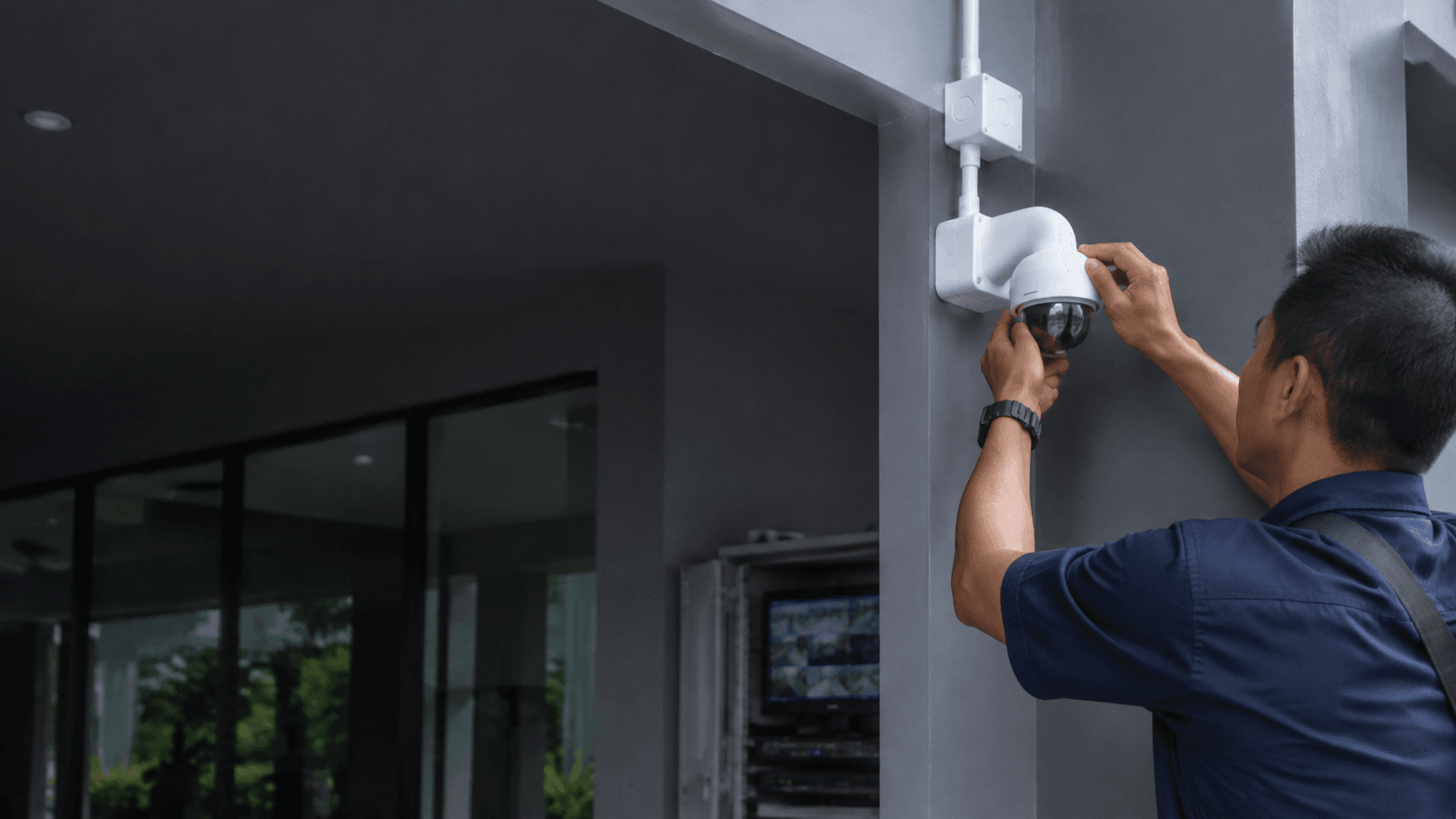
- Installation of cameras, recorder, cabling and configuration.
- Handover covering operation and mobile viewing.
The survey exists because site conditions are not visible from a photograph. A proposal built without one tends to undercount cable, mounting and power work, and those omissions surface as variations once installation starts.
Project scale also shifts the figure. Eyonic's documented work for the Kuching Immigration Office covered arrival flow, staff areas, visitor movement and dependable daily operation, with an approximate budget of RM 12,000 to RM 28,000 for that type of work. A separate Kuching office project for KTA Sarawak Sdn Bhd, covering staff movement, visitor handling and tidy cabling, carried an approximate budget of RM 8,000 to RM 18,000. Both are multi-camera commercial installations, not single-recorder purchases, and they show how far a full project can sit above a package price.
Getting a Camera Dvr Price for a Malaysian Property
A useful camera DVR price for a specific property comes from a survey, not a catalogue. The survey establishes camera positions, cable routes and recorder location, and those three answers determine the equipment list and the labour behind it.
Before requesting a figure, it helps to know the number of camera positions required, whether recording runs continuously or on motion, how many days of footage must be retained, and whether the recorder will sit near the cameras or in a separate room. Those four answers let a supplier quote against a defined scope instead of a range.
It also helps to ask what a quote excludes. Cabling, power points, conduit, mounting hardware and configuration are common exclusions, and a low headline figure that omits them is not comparable to a complete one.
For buyers weighing a package against a custom build, the RM 1,599 Hikvision CCTV package covers camera supply and setup, basic recording configuration and mobile viewing handover. It suits a straightforward property with a small number of positions. Larger or more complex sites move to a surveyed proposal, which is why the two figures are not directly comparable.
Share the location, property type and required system with Eyonic on WhatsApp at +60 11-5111 7959 for the next practical step.