
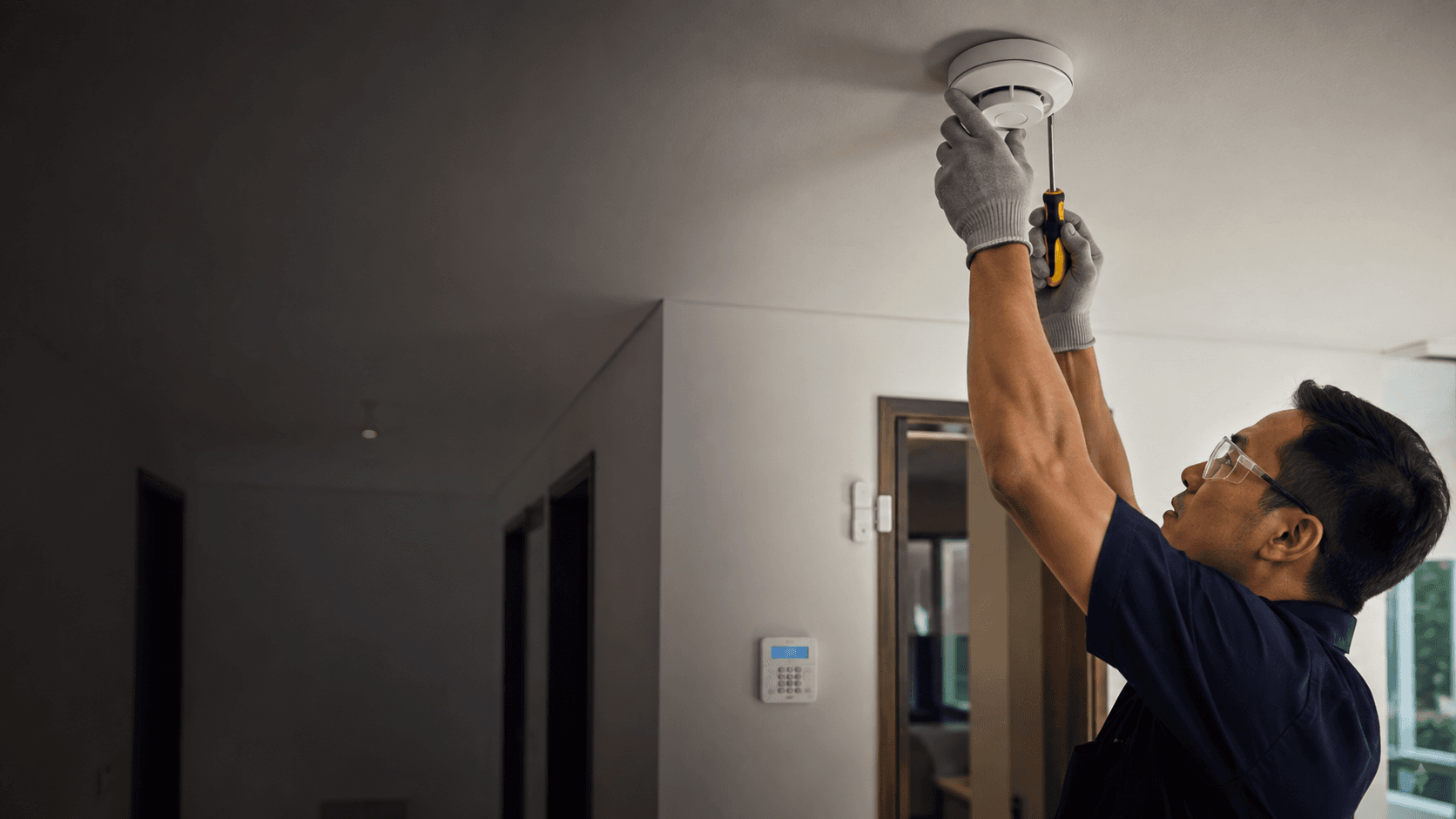
What Smoke Alarm Electricians Do
Smoke alarm electricians are licensed electrical workers who specialize in smoke detection systems. They connect new detectors to a home's electrical supply, replace outdated units, and verify that interconnected alarms communicate properly. This work involves branch circuit wiring, junction boxes, and compliance with local electrical codes. It differs from a handyman task because it requires knowledge of electrical systems and safety standards.
Whether to call smoke alarm electricians or attempt a DIY installation depends on the existing wiring. Homes with pre-wired smoke detector circuits allow a straightforward swap of the unit itself. Older properties may lack the dedicated circuit entirely, which means running new cable through walls and ceilings. That type of work requires the permits and inspection knowledge that licensed electricians bring to the job.
Choosing Qualified Smoke Alarm Electricians
Selecting qualified smoke alarm electricians requires checking several practical factors before booking a visit. The electrician should hold a valid license for the jurisdiction where the property sits, carry liability insurance, and have direct experience with the specific detector brand or system type involved.
A useful decision sequence looks like this:
- Confirm the property's current detector type by removing one unit and checking for hardwired connections with a battery backup.
- Check the manufacture date printed on each detector, since units older than 10 years need replacement regardless of apparent condition.
- List the number of detectors needed and note whether the home requires interconnected units that all sound together.
- Request a scope that covers new installation, replacement, or troubleshooting based on the identified problem.
- Verify the electrician's license and insurance coverage before scheduling the physical work.
Smoke alarm electricians who specialize in residential work typically handle the full range from new construction rough-ins to retrofits in finished spaces. The trade-off between a general electrician and a dedicated fire-safety contractor comes down to code familiarity. A general electrician can install the devices correctly, but a specialist often knows the nuanced placement rules for kitchens, hallways, and stairwells that general practice might overlook.
Practical Considerations for Smoke Alarm Electricians
The cost structure for smoke alarm electricians varies based on the type of work and the number of units involved. A simple replacement of an existing hardwired detector takes less time than a full new installation that requires running cable. Properties with accessible attics or crawl spaces cost less to wire than finished homes where the electrician must cut and patch drywall.
Hardwired detectors require an electrician because they connect directly to a 120-volt circuit. The installation involves matching wire colors, securing connections inside a junction box, and ensuring the circuit can handle the additional load. Battery backup units provide continued protection during power outages, which is why many building codes now require both the hardwired connection and the backup battery.
Interconnected systems add another layer of complexity. When one detector senses smoke, all connected units sound simultaneously, giving occupants earlier warning regardless of where the fire starts. Wireless interconnection works well for retrofits, while hardwired interconnection suits new construction. The electrician must verify that all units communicate properly after installation, which requires testing each detector individually and as a group.
Making an Informed Choice About Smoke Alarm Electricians
The decision to hire smoke alarm electricians should factor in the age of the existing system, the property's wiring configuration, and local code requirements. Detectors older than 10 years need replacement because their sensors degrade over time, even when the test button produces a sound. Properties that fail to meet current code may need additional detectors in bedrooms, hallways, or near stairwells.
Smoke alarm electricians also handle the repair side of the equation. Frequent false alarms often trace back to improper placement near kitchens or bathrooms, while a detector that chirps despite a fresh battery may indicate a wiring fault or an end-of-life unit. A licensed electrician can diagnose whether the problem lies in the detector itself or in the circuit feeding it.
The practical outcome of hiring smoke alarm electricians is a tested, code-compliant system that provides reliable early warning. The work includes verifying that each detector has power, that backup batteries function, and that interconnected units communicate correctly. That verification process turns a simple device installation into a complete fire-safety solution tailored to the property's specific layout and risks.