
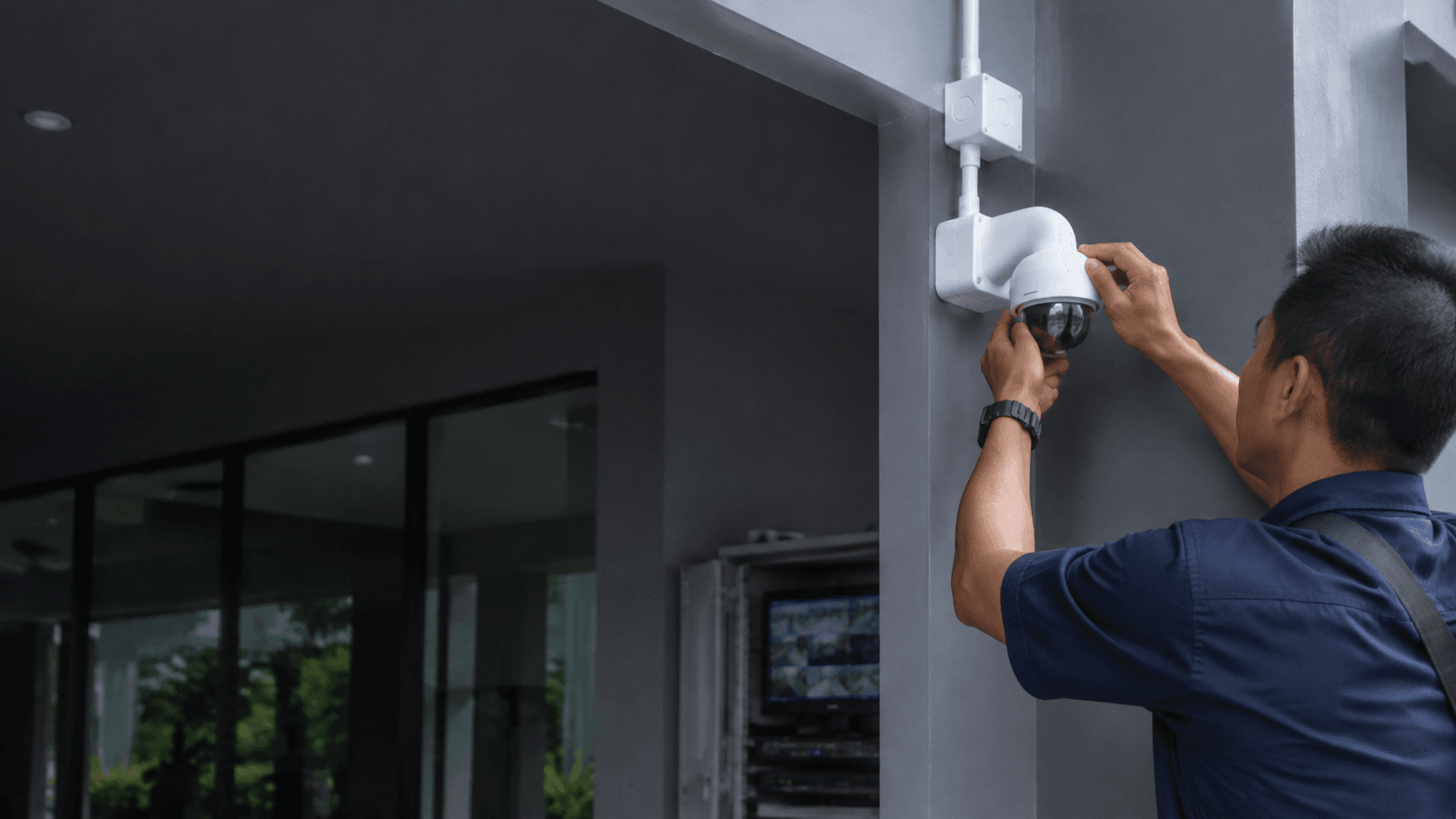
The phrase covers a wide range of hardware, from a single plug-in camera to a multi-camera system with a recorder. What separates a workable setup from a frustrating one is rarely the camera itself. It is whether the plan matches the property, the lighting, the network and the way the household actually uses the footage.
Eyonic Sdn Bhd plans, supplies and installs monitoring systems with camera placement, recording and remote viewing for homes, offices, shops and industrial sites in Sarawak. The same planning sequence applies whether the brief is a single camera or a full system.
Wifi Cameras For Home. What Matters Before Buying
Most buying mistakes happen before any hardware is chosen. A camera that performs well in one house can disappoint in another because the constraints are local: where power reaches, where the router sits, which walls block signal, and what the camera is actually expected to see.
Three questions shape the decision more than any specification sheet. What needs to be observed, at what time of day, and who needs to see it. A camera covering a front gate at night has different demands from one watching a living room in daylight. Answering those questions first prevents a purchase that solves the wrong problem.
Budget is the other early constraint. Eyonic publishes a Hikvision CCTV package at RM 1,599 covering camera supply and setup, basic recording configuration and mobile viewing handover. That figure applies to the listed package, not to every wifi camera configuration, and larger or more complex work sits well above it. A completed public-sector project in Kuching carried an approximate budget of RM 12,000 to RM 28,000, which shows how far the range can extend once scope, camera count and site conditions grow.
Wireless Does Not Mean Cable-Free
A wireless camera still needs power unless it runs on a battery or solar. The wireless part describes how video travels, not how electricity arrives. That distinction decides where a camera can physically go, because a position with good sightlines but no nearby power point is often not viable without additional electrical work.
Network behaviour matters too. Cameras that stream continuously place steady demand on a home network, and the router's location relative to each camera affects reliability. A plan that ignores this can produce a system that works in testing and drops out in daily use.
What a Wifi Camera Setup Includes
A complete setup is more than cameras on a wall. It includes the recording device, the storage that holds footage, the network path that carries video, and the app configuration that lets someone view it remotely. Each part depends on the others.
Eyonic's CCTV installation process follows four stages: site survey, system proposal, installation, and handover. The survey establishes what the property allows. The proposal sets out the system. Installation mounts and configures it. Handover confirms the household can actually use it.
- Site survey. assess the property, existing wiring, router position, lighting conditions and the areas that need coverage.
- System proposal. set out camera positions, recording equipment, storage approach and remote viewing configuration.
- Installation. mount cameras, run and tidy cabling, configure the recorder and connect the system to the network.
- Handover. confirm live viewing, playback and mobile access work, and explain daily operation.
NVR setup sits at the centre of most multi-camera installations. The recorder receives video from the cameras, stores it, and serves it to the viewing app. Remote viewing depends on that chain working end to end, which is why handover matters as much as installation.
How Placement and Lighting Change Results
Camera placement decides what a system can prove. A camera aimed at a gate records approach. A camera aimed at a door records entry. A camera placed for a wide view often captures neither in enough detail to be useful.
Lighting is the second variable. Eyonic recommends checking actual lighting conditions before confirming placement for ColorVu-style cameras, because performance depends on the light present at the site rather than on a general product claim. A position that looks adequate during a daytime survey can behave differently after dark, and the survey is the point where that gets tested.
Practical constraints narrow the options further. Direct sun can wash out an image. A nearby wall can block part of the view. A camera mounted too high loses facial detail even while covering more ground. These trade-offs are normal, and the survey exists to resolve them before installation rather than after.
Edge Cases Worth Planning For
Some properties need coverage that a standard layout does not provide. A long driveway, a corner lot, or a home with an outbuilding may need more cameras or different positions than a typical terrace house. Rental properties add another layer, since mounting hardware and cabling may need the owner's agreement.
Where a camera points also matters beyond security. A camera that captures a neighbour's entrance or a shared corridor raises questions that are better settled before installation than after. These are planning conversations, not technical ones, and they belong in the survey stage.
Recording, Storage and Remote Viewing
Recording is where a camera system becomes useful rather than decorative. Live viewing shows what is happening now. Recorded footage shows what happened earlier, which is usually what matters after an incident.
Storage decisions follow from that. Footage has to be held somewhere, whether on a recorder in the home or another storage method, and the amount of footage retained depends on how much storage is available and how many cameras write to it. Retention is a planning choice, not a default, and it should be set deliberately during the proposal stage.
Remote viewing is the feature most households use daily. It lets someone check a live view or review footage from outside the home. It depends on the recorder, the network and the app working together, and it is one of the things confirmed at handover rather than assumed.
Reliability across time is the real test. A system that works on installation day but drops offline a month later usually has a network or configuration cause rather than a hardware fault. That is why handover includes explaining daily operation, not just demonstrating it once.
. Practical Planning Steps
The planning sequence is short, and following it in order avoids most of the cost and rework that comes from buying first and planning later.
Start with the property. Identify the areas that need coverage, note where power and network reach, and check lighting at the times of day that matter. Then define the system. how many cameras, where they point, how footage is recorded and stored, and how it will be viewed remotely.
Only then compare equipment. Camera choice should follow the plan, not lead it, because a camera selected for the wrong position will underperform regardless of how good it is. Once the plan is settled, installation and handover complete the sequence.
Two practical checks reduce risk. Confirm that the proposed positions have power and network access before committing to them. Confirm that the household understands how to view live footage and find recorded clips, because a system nobody can operate provides little value.
Where Eyonic Fits in Sarawak
Eyonic Sdn Bhd is a security system supplier based in Sarawak, working across CCTV and ELV systems with planning, supply and installation for homes, offices, shops and industrial sites. The company's founder, Eric Yong, has more than ten years in the industry and works on technical installation of digital security solutions for commercial businesses in Sarawak.
The project record shows the range of work. Eyonic completed a project for the Kuching Immigration Office focused on arrival flow, staff areas, visitor movement and dependable daily operation. A separate project for KTA Sarawak Sdn Bhd delivered a practical office setup in Kuching supporting staff movement, visitor handling, tidy cabling and clearer daily site control. Both are commercial rather than residential, but they demonstrate the same planning discipline that a home installation requires.
For a home in Sarawak, that means the process starts with a survey rather than a product list. The survey establishes what the property allows, the proposal sets out the system, and installation and handover complete the work. Households that want to move forward can share their location, property type and required system with Eyonic on WhatsApp at +60 11-5111 7959 for the next practical step.
Wifi cameras for home use work best when the plan comes first. The cameras are the visible part of the system, but placement, lighting, recording, storage and remote viewing decide whether the setup holds up in daily use.