
is a phrase that points to a coordinated setup rather than a single device. This guide explains what an outdoor security camera system includes, how to plan one, and what to check before installation.
Best Outdoor Security Camera System: What Matters Before You Choose
An outdoor security camera system is a coordinated set of cameras, recording equipment, and viewing software built to monitor exterior spaces. The system includes the cameras themselves, a recorder or cloud service, cables or wireless links, and an app or monitor for live viewing. Unlike a single standalone camera, a system allows multiple cameras to feed into one interface, making it practical for covering several angles at once. The term covers both wired setups with a central recorder and wireless cameras that connect to a hub or the internet.
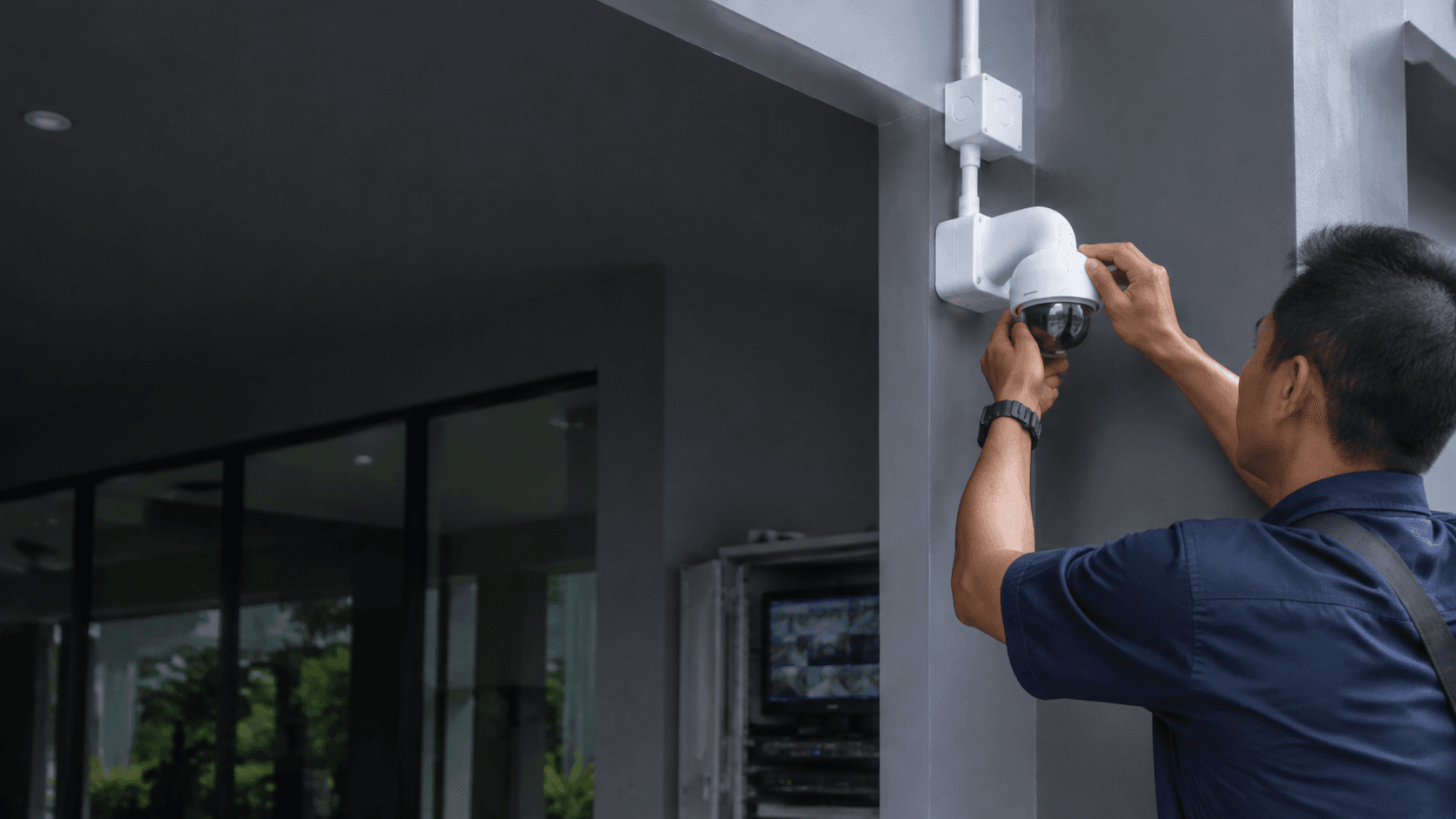
Eyonic Sdn Bhd, a security system supplier in Sarawak, Malaysia, plans, supplies, and installs monitoring systems with camera placement, recording, and remote viewing for homes, offices, shops, and industrial sites. Their CCTV installation process includes a site survey, system proposal, installation, and handover. This process reflects how an outdoor security camera system should be delivered rather than sold as a box of parts.
Planning an Outdoor Security Camera System
Choosing an outdoor security camera system starts with the physical site, not the camera specs. Outdoor cameras face rain, heat, dust, and changing light, so the housing and lens must match the actual environment. A camera rated for general outdoor use may still struggle in a covered walkway with low light or a driveway with strong backlight. Eyonic's CCTV installation process begins with a site survey for this reason, because placement and lighting determine whether a camera delivers usable footage. The for one property can be the wrong fit for another when the survey is skipped.
The decision sequence below reflects how a professional installer would approach the task. Each step narrows the field before comparing brands or prices.
- Map the perimeter and list every entry point, blind spot, and area where footage must be clear enough to identify a person.
- Check power availability at each proposed camera position, noting whether wiring can reach or battery and solar options are needed.
- Measure the distance from each camera to the recorder or network point, since cable length affects signal quality and installation cost.
- Review lighting conditions at night, including streetlights, security lights, and areas with no illumination at all.
- Confirm how footage will be stored and reviewed, comparing local recording with cloud plans for reliability and monthly cost.
Choosing the Right Outdoor Security Camera System
The market separates into two broad groups: cameras that record locally to a network video recorder and cameras that send footage to cloud storage. Local systems keep video on-site and avoid monthly fees, but they require cabling and a recorder. Cloud cameras are easier to place but depend on internet reliability and subscription costs. The for a business with multiple entry points usually favors local recording, while a single-camera home setup may work well with a cloud model.
Resolution and night vision are the two specifications that matter most for identifying people. A 4K camera captures more detail than a 2K model, but only when the lens is aimed correctly and the scene is lit. Eyonic recommends checking actual lighting conditions before confirming placement for ColorVu-style cameras, which produce color footage in low light. A camera with strong night vision placed in the wrong spot still delivers poor evidence.
Practical Considerations for Outdoor Security Camera System
Power and connectivity are the practical limits of any outdoor security camera system. Wired cameras need a cable run from the recorder, which can be straightforward for a single wall but complex across a large compound. Wireless cameras avoid cabling but still need a strong signal and a power source unless they run on batteries. Battery cameras conserve power by recording only when motion is detected, which means they may miss slow-moving activity or continuous events.
Storage capacity is another constraint. A 4K camera recording continuously generates far more data than a 2K camera recording on motion. The recorder's hard drive size and the retention period must match the purpose. A business that needs footage for insurance claims may require weeks of storage, while a homeowner may only need a few days. Local systems put this control in the owner's hands, whereas cloud plans set the retention period and cost per camera.
Making an Informed Choice About Outdoor Security Camera System
The is the one that fits the property's layout, the owner's technical comfort, and the budget for both equipment and ongoing costs. A professional site survey addresses the variables that online reviews cannot: exact camera positions, cable routes, lighting conditions, and the right recorder capacity. Eyonic's process for CCTV installation includes a site survey, system proposal, installation, and handover, which reflects how a system should be delivered rather than sold as a box of parts.
For a public office in Kuching, Eyonic focused on arrival flow, staff areas, visitor movement, and dependable daily operation, with an approximate budget of RM 12,000 to RM 28,000. An engineering consultancy office in the same city needed a practical setup supporting staff movement, visitor handling, tidy cabling, and clearer daily site control, budgeted at RM 8,000 to RM 18,000. These examples show how the scales with the number of areas to cover and the level of detail required.
The final decision should weigh the cost of the equipment against the value of reliable footage. A cheaper camera that fails at night or misses a key angle is not a saving. A system that records clearly, stores footage dependably, and allows easy review is the practical definition of best. Share the location, property type, and required system with Eyonic on WhatsApp at +60 11-5111 7959 for the next practical step.