
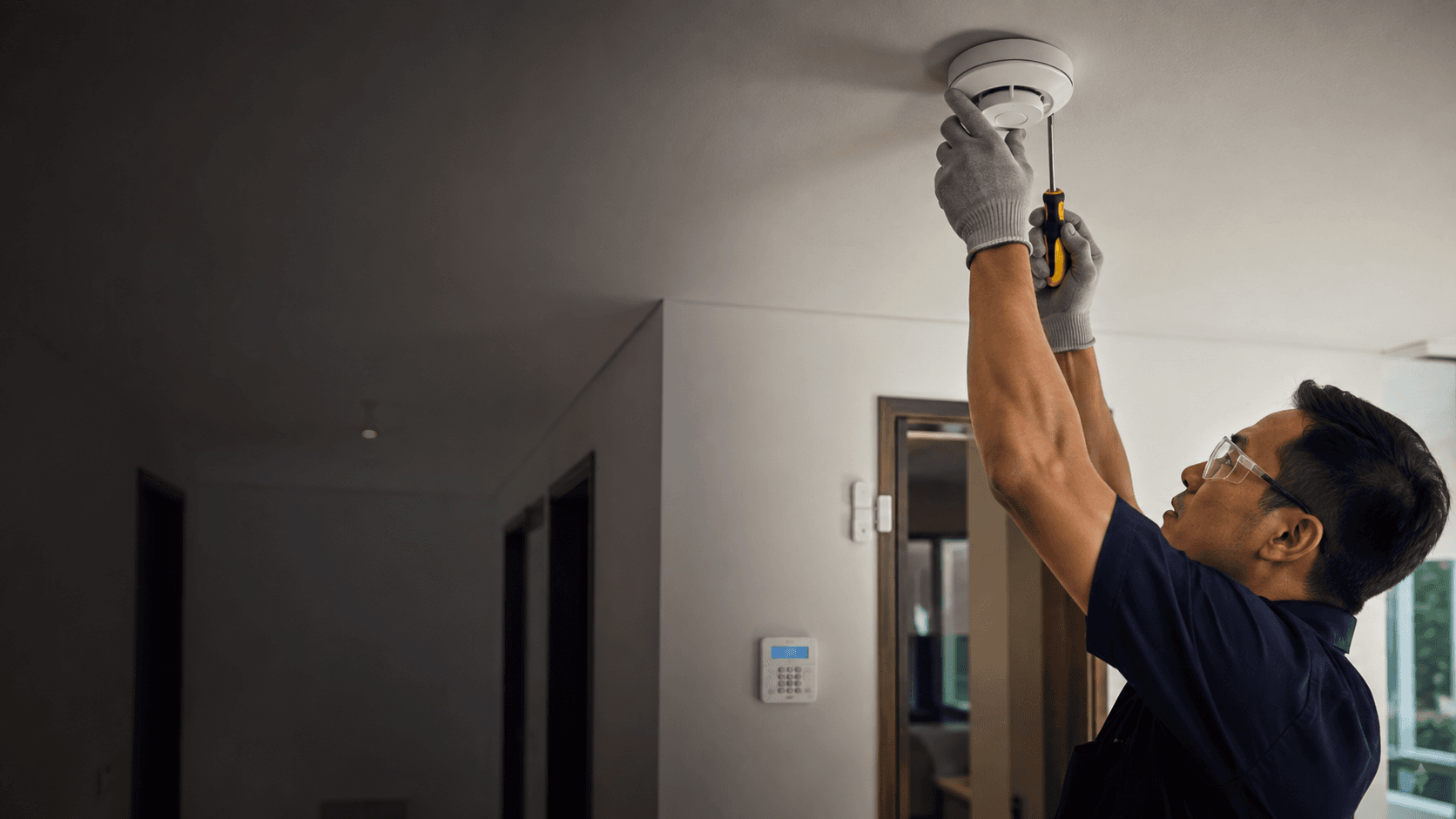
Co2 Detector Installation: What Matters Before You Choose
Before buying a detector, the property layout determines how many units are needed and which type fits each room. The US EPA advises installing carbon monoxide detectors on every level of the home and near sleeping areas. Kidde extends this guidance by recommending detectors inside or directly outside each bedroom and on every floor, including the basement. The number of detectors follows a simple rule: one per level plus one near each sleeping zone. A single-storey home with two bedrooms typically needs two units, while a two-storey house with bedrooms upstairs needs at least three. Detector type matters too, because battery-operated, plug-in, and hardwired models each suit different situations.Choosing the Right Co2 Detector Installation Type
The three common detector formats each carry distinct trade-offs for co2 detector installation:- Battery-operated detectors mount anywhere with screws or adhesive strips and keep working during power outages, but require battery replacement roughly once a year.
- Plug-in detectors sit in standard outlets at a convenient height and never need battery swaps, yet they stop functioning during electrical failures and occupy a socket.
- Hardwired detectors connect to household electrical circuits and typically include battery backups, but installation demands wiring knowledge or an electrician.