
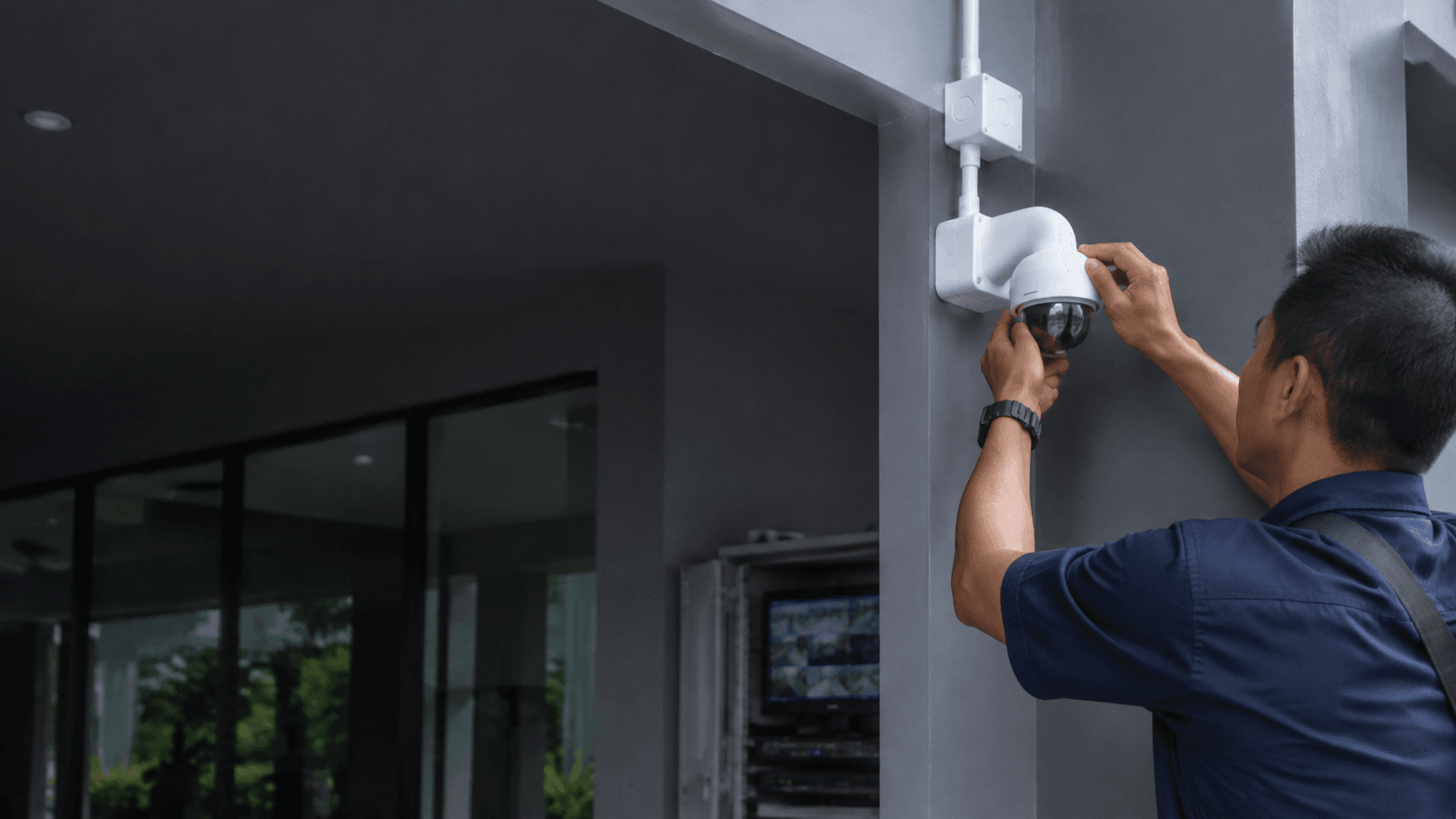
The term appears in search results alongside Hikvision network video recorders, and the practical question behind it is usually about recording hardware rather than a single product code. Eyonic Sdn Bhd plans, supplies and installs CCTV systems for homes, offices, shops and industrial sites, with camera placement, recording and remote viewing handled as one job.
What Hvr Hikvision refers to in a surveillance setup
Hvr Hikvision is best treated as a recording-hardware search rather than a model name. The pages that rank for the term are dominated by network video recorders, PoE ports, channel counts and model codes, which shows what readers expect to find: a device that receives camera streams, writes them to storage, and serves them back for review.
No supplied evidence defines what the letters in the term stand for, so this page does not assert an expansion or a product family. What can be said with confidence is narrower and more useful: recording hardware is the part of a CCTV system that turns live camera feeds into a searchable record.
A recorder is not chosen in isolation. It has to match the cameras feeding it, the storage inside it, and the way staff will actually look at footage after an incident. That is why a site survey comes before a hardware list in Eyonic's installation process.
How recording hardware fits cameras, storage and viewing
Recording hardware connects three things that are usually discussed separately: the cameras on the walls, the storage that holds the footage, and the screens or phones that play it back. A recorder that is undersized for the camera count, or installed without enough storage, produces a system that works on day one and disappoints in month three.
Eyonic's CCTV service covers camera placement, recording and remote viewing together, which keeps those three decisions in one conversation instead of three. The Kuching Immigration Office project is a useful example of the same logic applied to a public building: the work focused on arrival flow, staff areas, visitor movement and dependable daily operation rather than on a hardware list.
Lighting is the detail that most often changes a placement decision. Eyonic recommends checking actual lighting conditions before confirming placement for ColorVu-style cameras, because a position that looks correct on a floor plan can behave differently once night falls and nearby lights switch on or off.
Where recording hardware changes the outcome
Two sites with identical camera counts can need different recording setups. A shop that wants to review a till dispute needs clear, continuous coverage of one counter. An office that wants to understand staff and visitor movement needs wider coverage and a longer retention window. The recorder and its storage are what make either of those possible, and the choice follows the review habit, not the other way round.
What to confirm before choosing Hvr Hikvision for a site
Before committing to recording hardware, four things are worth settling with the installer. Each one changes the equipment list, and each one is cheaper to decide before installation than after.
- Site survey. walk the property, confirm camera positions, lighting and cable routes.
- System proposal. agree the camera, recording and viewing setup that matches the site.
- Installation. mount, cable, configure recording and connect remote viewing.
- Handover. test the system with the people who will use it daily.
That sequence is the one Eyonic follows for CCTV installation in Sarawak, and it applies whether the site is a single shop lot or a multi-area office. The survey stage is where lighting, cable paths and coverage gaps get resolved; the proposal stage is where the hardware list becomes specific to the property.
Budget is a legitimate part of the same conversation. Eyonic's Hikvision CCTV package is listed at RM 1,599 and covers camera supply and setup, basic recording configuration, and mobile viewing handover. Larger projects sit in a different range: the Kuching Immigration Office work had an approximate budget of RM 12,000 to RM 28,000, and the KTA Sarawak Sdn Bhd office project sat at approximately RM 8,000 to RM 18,000.
Questions that come up during selection
Does the recorder need to match the camera brand? Compatibility between specific camera models and software platforms is not something this page can confirm from supplied evidence, so it belongs in the proposal stage where the actual equipment is named.
How much storage is enough? Retention depends on camera count, resolution and how long footage must be kept. None of those figures are verified here, so the honest answer is that storage sizing follows the site survey rather than a rule of thumb.
Can footage be viewed away from the site? Remote viewing is part of Eyonic's CCTV service, and mobile viewing handover is included in the RM 1,599 package, which means the setup is tested with the user before the job closes.
Hvr Hikvision supply and installation in Sarawak
For buyers in Malaysia, and particularly in Sarawak, the harder question is rarely which recorder to buy. It is who will survey the site, supply equipment that matches it, install it tidily, and hand over a system that staff can actually operate.
Eyonic Sdn Bhd is a security system supplier based in Sarawak working on CCTV and ELV systems, with planning, supply and installation for homes, offices, shops and industrial sites. The company's founder, Eric Yong, has more than ten years in the industry and works on technical installation of digital security solutions for commercial businesses in Sarawak.
Completed work includes the Kuching Immigration Office and KTA Sarawak Sdn Bhd, both in Kuching. The KTA project needed a practical office setup supporting staff movement, visitor handling, tidy cabling and clearer daily site control — the kind of requirement that shapes cable routes and recorder placement as much as camera choice does.
Local supply matters for a less obvious reason. A recorder is a long-term device, and the practical value of buying through an installer is that the same party that configured recording and remote viewing is also the party that can adjust it when the site changes.
Practical next step for
Anyone weighing recording hardware for a property in Sarawak can start by describing the site rather than the device. Location, property type and the system required are the three details that let an installer respond with something specific instead of a catalogue.
Share your location, property type and required system with Eyonic on WhatsApp at +60 11-5111 7959 for the next practical step.