
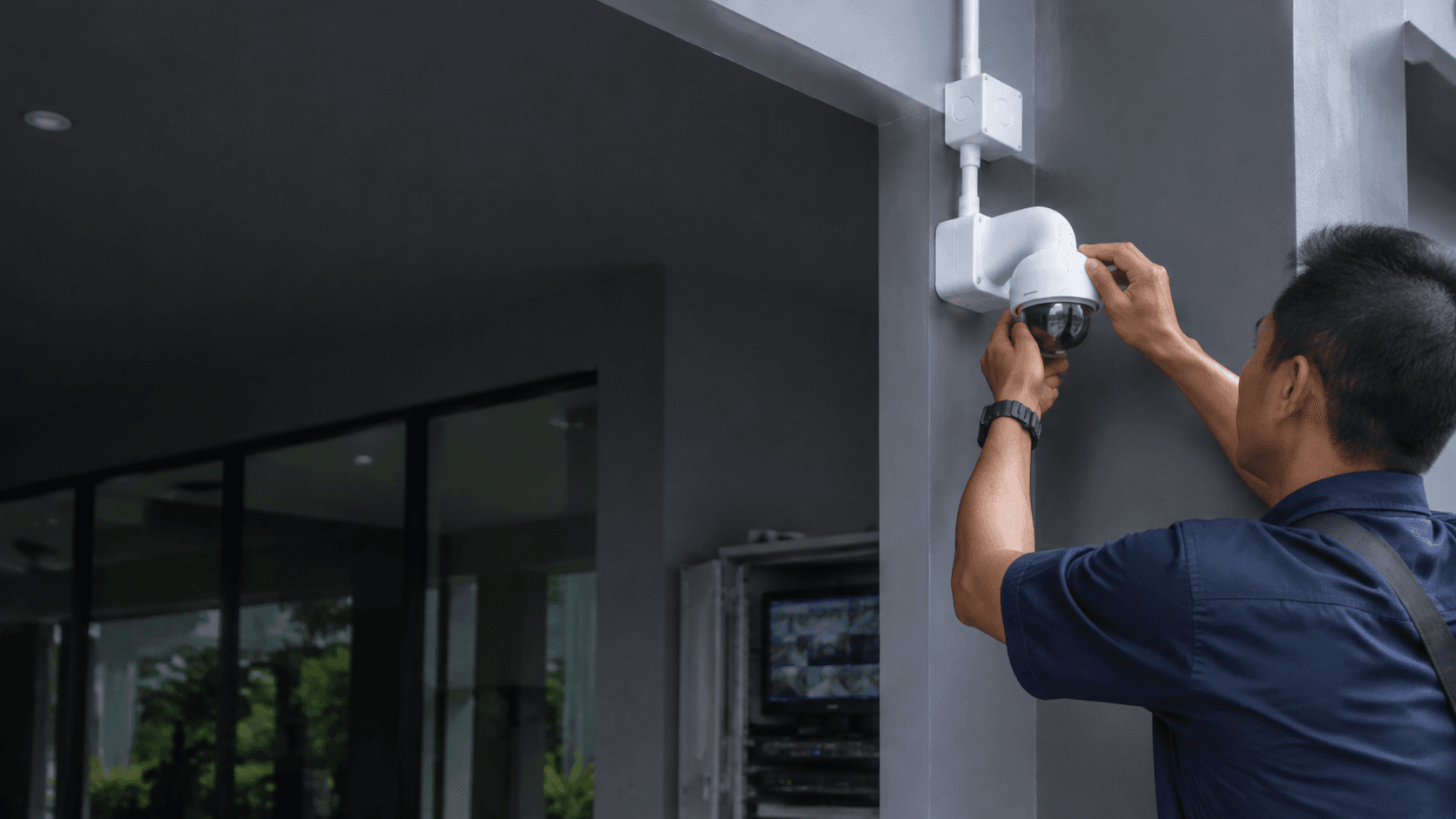
Home Cctv System. What Matters Before You Choose
Selecting a home cctv system starts with understanding the physical layout of the property. Camera placement depends on entry points, blind spots, and the distance between cameras and the recording unit. A site survey helps confirm where each camera can see clearly and where cabling can run without disruption.
The recording method matters as much as the cameras themselves. A home cctv system typically stores footage locally on a network video recorder or digital video recorder, which avoids ongoing cloud fees. Remote viewing through a phone app is standard, but the quality of that experience depends on the home network and the system's software.
Power and connectivity create the main trade-off. Wired systems deliver stable video but require cables to reach each camera. WiFi cameras install faster but depend on signal strength at each mounting point. Battery-powered units offer flexibility but need periodic recharging.
Choosing the Right Home Cctv System
A practical decision sequence helps narrow the options before comparing brands.
- Map the property perimeter and list every entry point that needs coverage.
- Check lighting conditions at each proposed camera location during day and night.
- Measure the distance from each camera position to the recorder or router.
- Decide between wired, WiFi, or battery power based on those distances.
- Confirm the number of channels needed now and whether expansion is likely later.
- Compare storage capacity against the recording hours required per day.
Camera resolution directly affects how useful the footage becomes. Higher resolution helps identify faces and vehicle plates, but it also consumes more storage space. A 4K camera records more detail than a 2K model, yet the recorder must handle the larger data flow.
What is home cctv system?
A home cctv system is a closed-circuit television setup that records video from cameras placed around a residence. The term "closed circuit" means the footage transmits to a specific recorder rather than broadcasting publicly. Modern systems include cameras, a recorder with storage, and software for live viewing and playback.
The main entity of this discussion, the home cctv system, serves two purposes: deterrence and evidence. Visible cameras discourage unwanted activity, while recorded footage provides a record after an incident. Neither purpose works well if the system lacks clear images or reliable storage.
Security Camera Systems. Wired & WiFi
Wired and WiFi systems represent the two dominant approaches to home surveillance. Each has strengths that suit different property types and user preferences.
| System Type | Power Source | Video Reliability | Installation | Best Fit |
|---|---|---|---|---|
| Wired PoE | Ethernet cable | High, consistent | Professional or skilled DIY | Larger homes, long distances |
| WiFi | Plug-in or battery | Depends on signal | Simple, flexible | Rentals, quick setup |
| Analog DVR | Coaxial cable | High, consistent | Professional | Budget-focused retrofits |
Wired Power over Ethernet systems send both power and data through a single cable. This setup keeps connections stable and supports longer cable runs without signal loss. Installation takes more time because cables must reach each camera, but the result is a dependable home cctv system that records continuously.
WiFi cameras connect to the home network wirelessly. They suit properties where running cables is difficult, such as rental homes or buildings with concrete walls. The trade-off appears when the signal weakens at distant camera locations, which can cause dropped connections or delayed footage.
Eyonic's installation process for CCTV systems follows a structured path: site survey, system proposal, installation, and handover. This sequence ensures the chosen equipment matches the actual property conditions before any mounting begins.
Practical Considerations for Home Cctv System
Lighting plays a larger role in camera performance than most buyers expect. Eyonic recommends checking actual lighting conditions before confirming placement for ColorVu-style cameras, which produce color footage at night. A camera positioned where a bright light shines directly into the lens will deliver poor images regardless of its resolution.
Storage planning follows a simple calculation. A camera recording continuously at high resolution fills a hard drive faster than one recording only on motion. Most recorders allow scheduling that balances coverage with storage life. A 1TB drive supports fewer days of continuous 4K recording than the same drive with motion-triggered recording.
The property type influences the scale of the system. A single-storey home with three entry points needs fewer cameras than a two-storey house with a garden and driveway. Eyonic has completed projects ranging from a Kuching Immigration Office setup focused on arrival flow and visitor movement to an engineering consultancy office requiring tidy cabling and clear daily site control. These examples show how coverage priorities differ between public spaces and private offices.
How many cameras does a home cctv system need?
The number of cameras depends on the entry points and valuables that need coverage. A typical home starts with cameras at the front door, back door, and main living area. Larger properties add cameras for driveways, side passages, and garden boundaries. Each camera should cover one clear zone rather than attempt to watch too wide an area.
Can a work without internet
A wired home cctv system records locally without internet access. The cameras send footage to the recorder through cables, and playback works from the recorder directly. Internet only becomes necessary for remote viewing from outside the home. This distinction matters for properties with unreliable broadband connections.
Making an Informed Choice About
The right home cctv system balances coverage, storage, and installation effort against the specific property. A site survey reveals where cameras will perform well and where cabling can run cleanly. The system proposal stage then matches equipment to those findings before installation begins.
Budget expectations vary widely with property size and camera count. Eyonic's completed projects show approximate budgets from RM 8,000 to RM 18,000 for an office setup and RM 12,000 to RM 28,000 for a public office with more complex coverage needs. A smaller home system naturally sits below these figures, but the same planning principles apply.
After installation, the handover stage confirms that the system works as proposed. This includes checking remote viewing access, verifying recording schedules, and ensuring the owner understands how to retrieve footage. A home cctv system only provides value when the people using it know how to operate it effectively.
For properties in Sarawak, sharing the location, property type, and required system with Eyonic on WhatsApp at +60 11-5111 7959 provides the next practical step toward a working installation.