Solar Security Camera Basics
A solar security camera uses a small solar panel to charge an internal battery, which powers the camera. This setup allows placement without nearby power outlets. The solar panel can be mounted separately from the camera, so the panel can face the sun while the camera points at the area to watch. This separation is useful because the best camera angle often differs from the best sun angle.
Solar security camera systems are popular for homes, farms, and off-grid properties. They avoid the need to run power cables across long distances. The battery stores energy for nighttime use and cloudy days. The size of the battery and the panel determine how long the camera can operate without direct sunlight.
Choosing a Solar Security Camera
Selecting a solar security camera involves checking the installation site and matching the camera to the monitoring needs. The following steps outline a practical approach.
- Check the mounting spot for direct sun exposure during most of the day.
- Confirm that Wi-Fi signal reaches the camera location for remote viewing.
- Decide whether local storage on a memory card or cloud storage fits the budget.
- Match detection features to the area, such as person detection for driveways.
- Verify the camera's weather resistance for local rain and heat.
Power and Connectivity Options
Solar security camera models differ in how they connect to networks. Wi-Fi models work well where a router is nearby. Some models use mobile data, which adds a SIM card cost but works in remote areas without broadband. The choice depends on the location and available network coverage.
Storage options also vary. A memory card inside the camera stores footage locally without monthly fees. Cloud storage protects against camera theft but may require a subscription. Buyers should compare these costs against their need for reliable footage.
Practical Considerations for Solar Security Camera
Night recording uses the most battery power, especially when infrared lights or spotlights are active. A camera that records all night must recharge fully during the day. Cloudy weather reduces charging, so a larger battery helps maintain operation through overcast periods.
Motion detection settings affect battery life. Frequent alerts and continuous recording drain the battery faster. Adjusting sensitivity and recording schedules can extend battery life between charges.
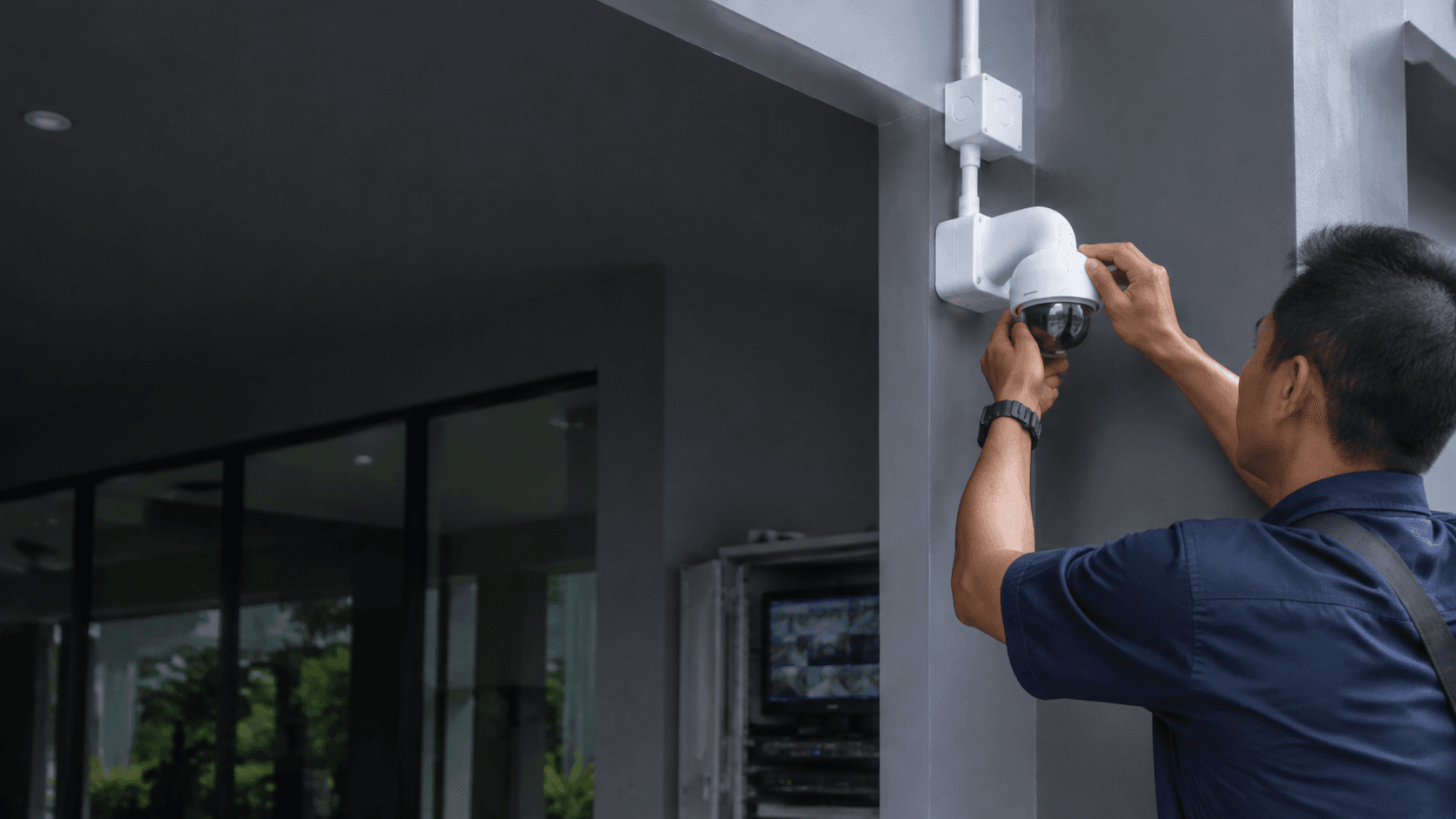
Installation quality affects performance. Eyonic's CCTV installation process includes a site survey, system proposal, installation, and handover. This process allows installers to verify sun exposure and network coverage before mounting equipment. Eyonic also recommends checking actual lighting conditions before confirming camera placement, a principle that applies to solar panel positioning.
For commercial properties, solar security camera decisions often connect to broader monitoring needs. Eyonic provided practical support for the Kuching Immigration Office, focusing on arrival flow, staff areas, visitor movement, and dependable daily operation. Eyonic also supported KTA Sarawak Sdn Bhd with an office setup for staff movement and visitor handling. These projects show how camera selection integrates with site-specific operational needs.
Battery-powered solar cameras suit properties where running power cables is disruptive or costly. Concrete walls, paved driveways, and heritage facades complicate wired installation. The trade-off is reduced recording continuity compared to mains-powered systems that record around the clock.
A solar security camera with pan-and-tilt capability covers a wider area from one mounting point, reducing the number of units needed. The motorized movement consumes extra power, so these models often need larger solar panels or more conservative motion settings. Fixed-lens cameras use less energy but may require multiple units for equivalent coverage.
The practical choice depends on the required monitoring duration. Properties needing constant video evidence, such as retail cash-handling areas, benefit from wired systems with uninterrupted power. Locations where occasional motion-triggered verification is enough, such as remote storage yards, gain the most from solar-powered flexibility.
For those ready to proceed, sharing the location, property type, and required system with Eyonic on WhatsApp at +60 11-5111 7959 provides the next practical step toward a solar security camera installation that matches actual site conditions.