
The recorder is only one line in a CCTV budget. Buyers comparing listings often see a box price that excludes the hard drive, the cameras, the cabling and the labour, then discover the installed total is several times higher. Understanding which of those items sits inside the quoted figure is the difference between a useful comparison and a misleading one.
What the recorder price covers and what it leaves out
A recorder-only price normally refers to the DVR chassis and its power supply. It rarely includes the surveillance hard drive, because drives are sold separately in most listings and buyers choose capacity based on how long footage must be retained. Cameras, coax or network cable, connectors, power distribution and mounting hardware sit outside the recorder figure as well.
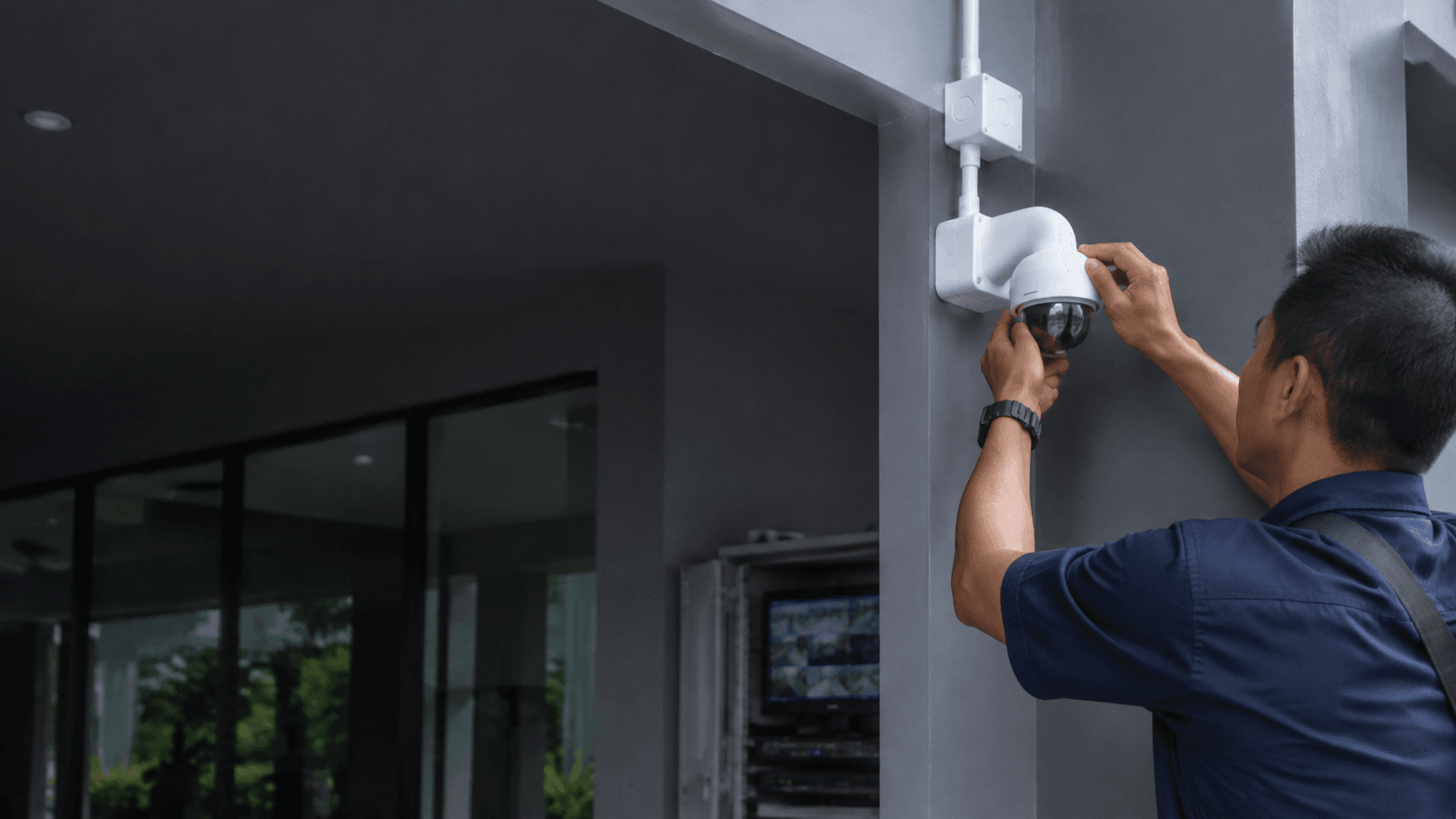
Installation labour is the largest variable. A recorder swap on existing cabling is a short job. A new eight-camera run through a double-storey shoplot involves cable routing, drilling, containment and testing, and that work is priced by site conditions rather than by the recorder model.
Remote viewing setup is usually bundled into installation rather than charged separately, because it depends on the same network and handover session. Configuration of the mobile app, user accounts and recording schedules happens at the end of the job, once the recorder is powered and the cameras are aimed.
Hikvision 8 Channel Dvr price factors in Malaysia
Several inputs move a Hikvision 8 Channel Dvr price up or down in the Malaysian market, and most of them are decided before any quotation is issued.
- Site survey to confirm camera positions, cable routes and power availability.
- System proposal covering recorder, hard drive, camera count and installation scope.
- Installation of recorder, cameras, cabling and network configuration.
- Handover with recording checks, remote viewing setup and user briefing.
That sequence is how Eyonic scopes CCTV work in Sarawak, and it exists because the recorder cannot be specified properly until the camera count and cable routes are known. A survey also settles whether existing coax can be reused, which is often the single biggest cost difference between two otherwise similar jobs.
Hard drive capacity
Storage is the most common line item left out of a headline recorder price. Retention time depends on camera resolution, frame rate, how many hours per day are recorded, and whether motion-based recording is used instead of continuous recording. A site recording continuously at higher resolution fills a drive far faster than one recording on motion events only, so the same recorder can justify very different drive sizes.
Because retention requirements vary this much, a drive size quoted for one premises may be wrong for another. The practical approach is to state the required retention period first, then size the drive to meet it.
Camera count and resolution
An eight-channel recorder accepts up to eight cameras, but nothing requires all eight to be fitted at once. A shop may start with four cameras covering the entrance, counter, stockroom and rear access, leaving four channels free for later expansion. That staged approach lowers the initial outlay without changing the recorder.
Resolution affects both the recorder's encoding load and the storage consumed per camera. Higher-resolution cameras produce more detail for identification but shorten retention on the same drive, so resolution and storage are decided together rather than separately.
Installation conditions in Sarawak
Cable distance, ceiling type, wall construction and whether the site is a single building or several blocks all change labour. Premises in Kuching and across Sarawak vary widely in construction, and a survey is the only reliable way to price routing before work begins. Tidy cabling also matters for long-term reliability, since exposed or poorly supported runs fail sooner.
How Eyonic scopes an 8-channel recorder job
Eyonic Sdn Bhd plans, supplies and installs CCTV and ELV systems for homes, offices, shops and industrial sites, with camera placement, recording and remote viewing handled as one scope. The founder, Eric Yong, has worked in technical installation of digital security solutions for commercial businesses in Sarawak for more than ten years.
Completed work includes the Kuching Immigration Office, where the focus was arrival flow, staff areas, visitor movement and dependable daily operation, and KTA Sarawak Sdn Bhd, an engineering consultancy office in Kuching that needed support for staff movement, visitor handling and tidy cabling. Both projects show the same pattern: the recorder is specified after the site's movement and coverage needs are understood, not before.
Eyonic's published package pricing starts at RM 1,599 for a Hikvision CCTV package covering camera supply and setup, basic recording configuration and mobile viewing handover. That package figure is a useful reference point for what an entry-level installed system looks like, though an eight-channel job with more cameras, a larger drive or difficult cable routes will sit above it. Larger commercial work is scoped individually; the Kuching Immigration Office project carried an approximate budget of RM 12,000 to RM 28,000, and the KTA Sarawak project an approximate budget of RM 8,000 to RM 18,000.
Storage camera count and recording settings
Three settings determine how long footage survives on the drive, and they interact. Continuous recording captures everything but consumes the most space. Motion-triggered recording captures events and stretches retention considerably, at the cost of missing activity that falls below the trigger threshold. Frame rate is the third lever. dropping from a high frame rate to a lower one reduces storage demand without changing resolution.
Camera resolution sits underneath all three. A higher-resolution camera produces more data per second, so raising resolution and keeping continuous recording is the fastest way to shorten retention. Where identification matters more than coverage, a smaller number of higher-resolution cameras aimed at entry and exit points often serves better than eight cameras spread thinly.
Lighting is part of the same decision. Eyonic recommends checking actual lighting conditions before confirming placement for ColorVu-style cameras, because night performance depends on what light is genuinely present at the camera position rather than what the specification suggests. A position that looks adequate in daylight can behave differently after dark.
Questions to settle before confirming a recorder
Several details decide whether a quoted figure will hold once work starts. Confirming them early avoids revisions later.
Whether the price is recorder-only or installed is the first question, because the two figures are not comparable. The second is whether the hard drive is included and what retention period it supports. The third is how many cameras are being fitted now and how many channels should stay free for expansion.
Existing cabling is the fourth. If usable coax or network cable is already in place, installation labour drops. If not, routing is part of the scope and should be priced explicitly. Remote viewing requirements come next: how many users need access, and whether viewing happens on phones, a monitor in the premises, or both.
Finally, the recorder model itself should be confirmed against an official Hikvision datasheet before purchase, since channel count alone does not describe encoding capability, supported camera types or maximum drive size. A model number on a quotation makes that check possible.
Share your location, property type and required system with Eyonic on WhatsApp at +60 11-5111 7959 for the next practical step.