
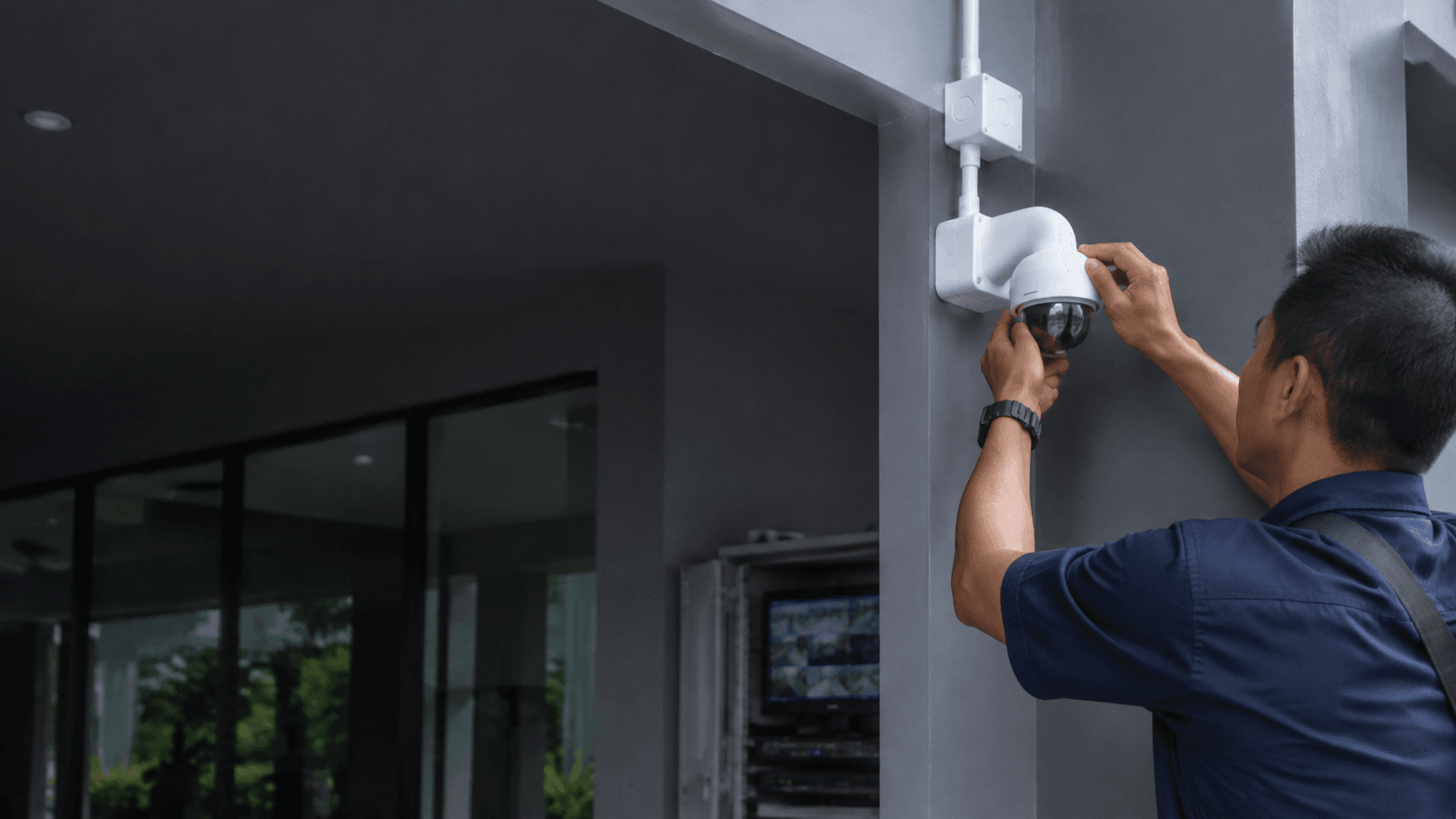
The exact-match query wyze security system describes a modular setup rather than a single boxed product. Buyers in Malaysia researching the Wyze Security System usually want three things settled before money changes hands: what ships in the box, how the pieces talk to each other, and what has to be true locally for the setup to be worth owning.
Wyze publishes its own equipment lists, so the component names below come from the manufacturer's product pages rather than from reseller descriptions. What follows separates what the system is from what a buyer still has to verify in Malaysia.
What the Wyze Security System includes
The Wyze Security System is assembled from a hub, a set of small sensors, and optional cameras. Wyze sells these as separate products and as bundles, so the exact contents depend on which kit or combination is purchased.
The core pieces Wyze names on its home monitoring and automation pages are:
- Wyze Sense Hub — the device that connects the sensors and communicates with the monitoring service.
- Wyze Sense Entry Sensor — mounted on doors and windows to report open and closed states.
- Wyze Sense Motion Sensor — reports movement in a room.
- Wyze Sense Keypad — used for arming and disarming.
- Wyze Sense Climate Sensor — reports temperature and humidity.
- Wyze Sense Leak Sensor & Probe — reports water where it should not be.
Cameras sit alongside the sensor layer rather than replacing it. Wyze lists the Wyze Cam v4, Wyze Video Doorbell, Wyze Battery Cam Pro, Wyze Cam Pan models and Wyze Cam Floodlight models among its security cameras, and the Wyze Lock Bolt v2 and Wyze Palm Lock among its entry devices. A Wyze Home Monitoring Core Starter Kit bundles the hub and sensors for buyers who want the monitoring layer first.
One structural point matters more than the product list: the sensors depend on the hub. Wyze describes the hub as the starting point for the sensor range, which means a sensor-only purchase without a hub does not form a working alarm layer.
How sensors and cameras work together
Sensors and cameras answer different questions. A camera shows what a space looks like; a sensor reports that something changed. Wyze makes this distinction directly on its home monitoring page, noting that sensors can report changes in places a camera would never be pointed.
In practice the two layers cover each other's blind spots. An entry sensor on a back door reports that the door opened even when no camera faces it. A motion sensor in a hallway reports movement in a corridor that a single fixed camera may only partially cover. A camera then supplies the visual context a sensor cannot: who or what triggered the event.
Wyze also supports sensor-triggered automation, where a sensor event can drive other connected devices rather than only raising an alert. That is the mechanism that turns a collection of separate gadgets into something closer to a system, and it is the part worth understanding before buying, because automation rules are configured after installation rather than at the point of sale.
The practical limit is coverage, not cleverness. Sensors are placed at specific points, so a property with many entry points needs many sensors. Cameras are placed at specific viewpoints, so a property with awkward geometry needs more cameras or different camera types. Neither layer substitutes for the other, and neither is priced or specified in the evidence available here for the Malaysian market.
Wyze Security System monitoring options
Wyze structures monitoring as a choice between self-monitoring and a paid professional monitoring service. Self-monitoring means alerts arrive through the Wyze app and the property owner decides what to do. Professional monitoring routes alarms to a monitoring centre that can act on them.
Wyze's own product page for the Wyze Sense Hub describes 24/7 professional home security and monitoring, and the company sells service plans separately from hardware. The distinction that matters for a buyer is what happens when nobody is looking at a phone: self-monitoring depends on someone responding to a notification, while professional monitoring depends on a subscription remaining active and on the monitoring centre being reachable.
Two constraints follow from that structure. First, the monitoring layer is a recurring cost, not a one-off purchase, and the evidence available here does not establish what that cost is in Malaysia. Second, professional monitoring is only as useful as the response it triggers, and no supplied evidence verifies which monitoring partners operate, what response times apply, or what certifications are held. Those are questions for the seller, not assumptions to carry into a purchase.
Cameras can also be used with or without a subscription depending on which features are wanted, which means a household can run cameras and sensors locally while deciding separately whether to pay for monitoring.
What to compare before choosing a Wyze Security System
Comparison should start with the property, not the product list. A small apartment with one entrance and a short internal corridor needs far less hardware than a shop with a rear loading area, a shutter, and a stockroom. The same product family can be right for one and wrong for the other.
Four comparisons tend to decide the outcome:
- Whether the property needs sensor coverage, camera coverage, or both, and how many entry points and rooms each layer must reach.
- Whether monitoring will be self-managed through the app or handled by a paid service, and whether the recurring cost is acceptable.
- Whether the equipment can be sourced, installed and supported locally, including what happens if a component fails.
- Whether the network at the property can carry the cameras and hub reliably, since a system that depends on connectivity fails when connectivity does.
Cost is the comparison most often made badly. A low hardware price is not the same as a low total cost once monitoring subscriptions, additional sensors, and any local installation or support are counted. The evidence available here does not establish Wyze pricing, subscription tiers, or Malaysian availability, so those figures have to come from the seller.
It is also worth comparing against systems that are already supported locally. Eyonic, a security system supplier in Sarawak, plans, supplies and installs CCTV and alarm systems for homes, offices, shops and industrial sites, and its published packages for Hikvision CCTV, alarm systems and autogate work are each listed at RM 1,599. That is a different product family, but it illustrates the comparison a buyer is actually making: a self-assembled imported setup against a locally supplied and installed one.
Practical checks before installation
Installation planning decides whether a sensor-and-camera system performs as expected. The checks below apply to the Wyze Security System and to comparable setups.
- Confirm the hub is included and positioned centrally enough to reach every sensor.
- Walk the property and list every door, window and open route that needs an entry sensor.
- Identify rooms where movement matters but a camera cannot see, and place motion sensors there.
- Check actual lighting conditions at each camera position before confirming placement, since night performance depends on what light is really present.
- Test the Wi-Fi signal at each device position rather than at the router.
- Decide who arms and disarms the system, and where the keypad is reachable without exposing it to the street.
- Confirm what local support exists for replacement parts and warranty before committing.
Eyonic's own installation process follows a comparable sequence — site survey, system proposal, installation, and handover — which is a useful template even when the equipment is bought elsewhere. A survey first, then a proposal, then installation, then a handover that includes testing, keeps the hardware decision tied to the property rather than to a product page.
Two edge cases deserve attention. Rental properties may restrict drilling and mounting, which affects sensor and camera placement. Properties with unreliable power or connectivity need a plan for what happens during an outage, because a monitoring layer that depends on both will be silent exactly when it is needed.
For buyers in Sarawak who want the property assessed before choosing equipment, Eyonic can be reached on WhatsApp at +60 11-5111 7959 with the location, property type and required system. Its completed work includes the Kuching Immigration Office project, which focused on arrival flow, staff areas, visitor movement and dependable daily operation, and the KTA Sarawak Sdn Bhd office setup in Kuching, which covered staff movement, visitor handling and tidy cabling.