
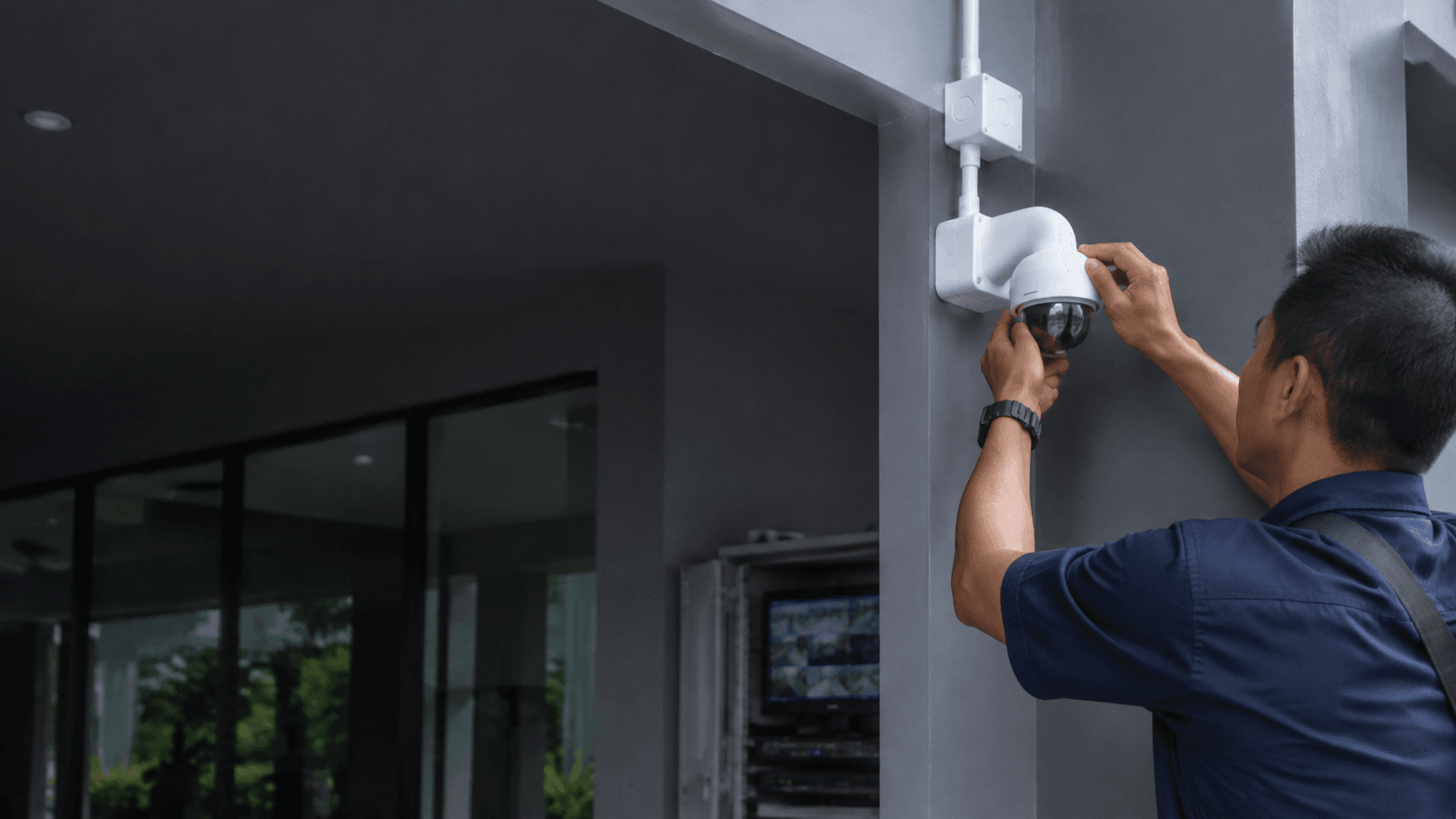
The appeal is simple. the light makes the scene visible and the recording keeps a record of it. The two functions share one trigger, so the moment something moves, illumination and video begin together. That combination is why the phrase motion light with camera describes a category rather than a single product.
Motion Light With Camera. How Motion Lighting Works
Motion detection is the starting point. A sensor watches for movement in its field of view, and when it registers a change, it closes a circuit or sends a signal. In a combined unit, that same signal does two jobs at once: it switches the lamp on and it tells the camera to begin recording.
The lighting half matters more than it first appears. A camera recording in the dark depends on either its own low-light capability or on illumination from somewhere else. When the light and the camera sit in the same housing, the illumination arrives at the exact moment the recording starts, which removes the gap between noticing movement and being able to see it.
Recording behaviour varies by system. Some units record only while motion is present. Others record continuously and mark motion events for easier searching. The choice affects storage, review time, and how much of the day is captured rather than only the moments something moved.
What a Motion Light With Camera Combines
Four functions sit inside one device or one coordinated setup.
- Motion detection, which senses movement in a defined area.
- Illumination, which lights the area the sensor covers.
- Video capture, which records the scene the light reveals.
- Remote viewing, which lets the footage be checked from elsewhere.
Retail listings often describe these as floodlight cameras or spotlight cameras. The naming differs, the underlying idea does not. A floodlight camera usually throws a broad wash of light across a driveway or yard, while a spotlight camera concentrates a narrower beam on a doorway or gate. Both are forms of motion light with camera, and both depend on the same trigger logic.
Night vision is the piece that decides whether the footage is usable. Some cameras switch to infrared and produce black-and-white images in darkness. Others aim to hold colour in low light. The second approach depends heavily on how much ambient light the site actually has, which is why a site survey matters before placement is confirmed.
Motion Light With Camera Placement and Lighting Conditions
Placement decides whether the system works as intended. A camera aimed at a blank wall records nothing useful. A light pointed at the camera lens washes out the image. A sensor facing a busy road triggers constantly on passing traffic.
Eyonic recommends checking actual lighting conditions before confirming placement for ColorVu-style cameras. That step exists because low-light performance is site-specific. A covered walkway, a brightly lit shopfront and an unlit industrial yard present three different problems, and the same camera may handle one well and another poorly.
Three practical constraints shape most placements:
Coverage against detail. A wide view captures more of the scene but makes faces and plates smaller. A narrow view captures detail but leaves gaps. The right balance depends on what the recording needs to prove.
Light spill. A bright lamp close to the lens can flare the image. Angling the light away from the camera's line of sight usually helps.
Trigger discipline. Sensors that face moving foliage, reflective surfaces or public footpaths generate constant events. Aiming the detection zone at the area that matters reduces noise in the recording log.
For a home, the usual targets are the gate, the car porch and the back door. For a shop, the entrance and the counter area matter most. For an office or industrial site, the priorities shift toward arrival points, staff areas and perimeter access. The Kuching Immigration Office project followed that pattern, focusing on arrival flow, staff areas, visitor movement and dependable daily operation.
Motion Light With Camera Planning Steps
Eyonic's CCTV installation process runs through four stages, and the same sequence applies to camera and lighting work.
- Site survey, where the property is reviewed and the actual lighting conditions are checked.
- System proposal, where the recommended setup is set out before any work begins.
- Installation, where cameras, lighting and recording equipment are fitted and configured.
- Handover, where recording, remote viewing and daily use are explained.
The survey stage carries the most weight. Decisions made there about camera placement, lighting angles and recording coverage are difficult and costly to reverse later. A proposal built on a proper survey reflects what the site actually needs rather than what a product listing suggests.
Budget expectations vary with scope. Eyonic's published packages for a Hikvision CCTV setup, an alarm system and an autogate package each sit at RM 1,599. Larger project work scales well beyond that: the Kuching Immigration Office project carried an approximate budget of RM 12,000 to RM 28,000, and the KTA Sarawak Sdn Bhd project carried an approximate budget of RM 8,000 to RM 18,000. Those figures describe completed project ranges, not a quotation for any specific property.
Motion Light With Camera Limits and Practical Details
Several limits are worth knowing before committing.
Motion detection is not the same as identification. A sensor reacts to movement, heat or change in a scene. It does not know whether the movement is a person, an animal or a swaying branch unless the system includes more advanced detection. That distinction affects how many events get recorded and how much time review takes.
Lighting and recording draw power differently. Wired units need a power route to the mounting point, which may mean cabling work. Battery units avoid that but introduce charging or replacement cycles. Solar-assisted units depend on how much sun the mounting position actually receives. None of these is universally better; each fits a different site.
Storage shapes what can be reviewed later. Local recording keeps footage on a device on site. Cloud recording keeps it elsewhere but usually involves an ongoing subscription. The trade-off is between control and convenience, and it should be settled before installation rather than after.
Remote viewing depends on a working internet connection at the property. Where the connection is weak or intermittent, the recording may still function while remote access does not.
Weather exposure matters in Sarawak. Mounting positions should account for direct rain, prolonged sun and the possibility of water reaching connections over time.
Motion Light With Camera Support in Sarawak
Eyonic Sdn Bhd plans, supplies and installs monitoring systems with camera placement, recording and remote viewing for homes, offices, shops and industrial sites. The company is based in Sarawak and works on CCTV and ELV systems, including NVR setup and site survey work.
Eric Yong founded Eyonic Security Systems and has worked in the industry for more than ten years, with experience in technical installation of digital security solutions for commercial businesses in Sarawak. That background is relevant to motion light with camera work because the installation decisions, not the product box, usually determine whether the system performs as expected.
Completed projects include the Kuching Immigration Office and KTA Sarawak Sdn Bhd, both in Kuching. The KTA Sarawak work covered a practical office setup supporting staff movement, visitor handling, tidy cabling and clearer daily site control.
For a property in Sarawak, the practical next step is a site survey. Share your location, property type and required system with Eyonic on WhatsApp at +60 11-5111 7959 for the next practical step.