
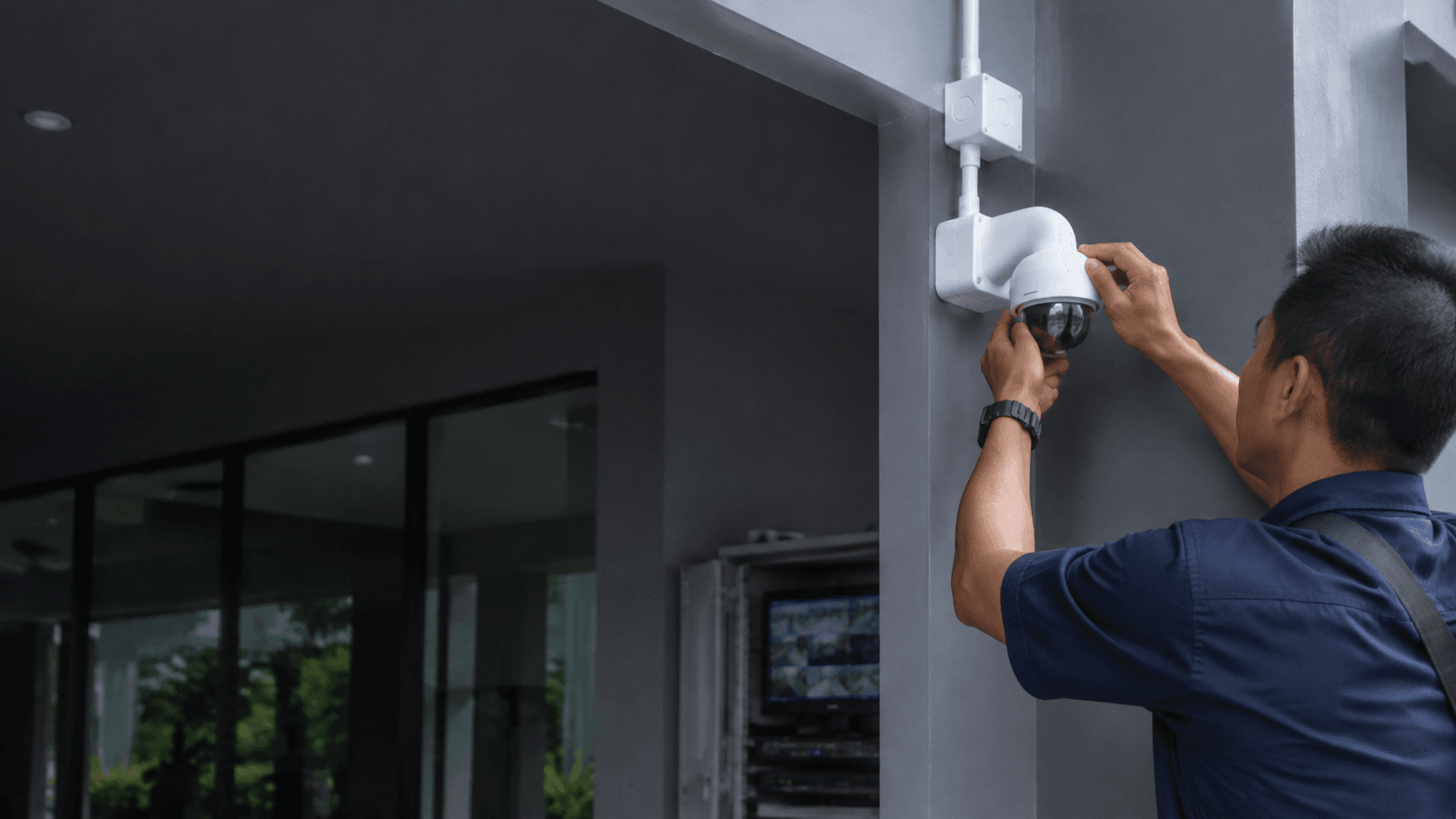
The exact-match query "lorex wireless camera" describes a family of Wi-Fi cameras rather than one product. Lorex sells indoor Wi-Fi cameras, outdoor Wi-Fi cameras, floodlight cameras, and battery-powered wire-free models, and the company also sells wired NVR systems that use Power over Ethernet. The wireless label covers two different things: cameras that connect over Wi-Fi, and cameras that run on battery with no video cable at all.
That distinction matters because the two groups behave differently in daily use. A Wi-Fi camera needs a power source and a stable wireless signal. A battery camera needs neither a cable nor an outlet, but it depends on battery capacity and a strong signal at the mounting point.
Lorex Wireless Camera. What Matters Before Choosing
Three practical questions decide most installations: where power is available, how strong the Wi-Fi signal is at the camera position, and whether recording must continue when the internet drops.
- Confirm whether the camera position has a power outlet or can be reached by a low-voltage cable.
- Measure Wi-Fi signal strength at the exact mounting height, not inside the room below.
- Decide whether footage should record to local storage, to a recorder, or only to a cloud plan.
- Check whether the camera must keep recording when the internet connection fails.
- Confirm the app, storage and any subscription terms before purchase.
Lorex markets its wireless cameras around local storage and no monthly fees, which separates them from subscription-first brands. The trade-off is that local storage still needs a place to live: a microSD card in the camera, or a recorder on the same network.
Choosing the Right Lorex Wireless Camera
Indoor Wi-Fi cameras suit apartments, home offices, nurseries and pet monitoring. They typically plug into a wall outlet, offer pan and tilt movement, two-way talk, and privacy modes that physically point the lens away when monitoring is not wanted.
Outdoor Wi-Fi cameras suit porches, driveways, side gates and small shopfronts. Lorex lists outdoor models with spotlight and floodlight functions, dual-lens designs, and battery-powered versions. A floodlight camera combines illumination with recording, which can reduce the number of separate fixtures needed on a wall.
Battery-powered wire-free cameras suit positions where running cable is impractical, such as a rented property, a remote gate, or a wall above a tiled surface. The constraint is maintenance. batteries need recharging, and cold or weak-signal positions drain them faster.
Wired NVR systems remain the alternative when continuous recording matters more than installation flexibility. Those systems use Power over Ethernet, so a single cable carries both power and data, and recording continues on the recorder even when the internet is down.
What Is a Lorex Wireless Camera in Practice?
A Lorex Wireless Camera is a Wi-Fi-connected security camera that sends video to a phone app and, depending on the model, records to local storage or a paired recorder. The wireless description refers to the network connection, not always to power.
This is where most buyer confusion sits. A camera can be wireless in data terms while still needing a power cable. A wire-free camera removes the power cable too, but adds a battery to maintain. Reading the product page for the power method, not just the wireless label, prevents a mismatched purchase.
Lorex groups its wireless range under a smart home security collection that includes indoor Wi-Fi cameras, outdoor Wi-Fi cameras, floodlight cameras, video doorbells and smart locks. The company also runs a separate Fusion Wireless line that records to a network video recorder around the clock rather than only on motion events.
Practical Considerations for a Lorex Wireless Camera
Signal quality decides whether a wireless camera is reliable. Walls, metal roofing, foil insulation and distance from the router all reduce throughput. A camera that streams smoothly at chest height in a corridor may struggle once mounted under an eave two rooms away.
Power method decides maintenance. Plug-in cameras are set-and-forget until the cable is damaged. Battery cameras need a recharge cycle, and the interval depends on how often motion triggers recording, how long each clip runs, and how cold the location gets.
Storage decides cost over time. Local storage avoids a recurring fee but places the recording device inside the property, where an intruder could remove it. Cloud storage keeps footage off-site but adds a subscription. Some households use both.
Lighting decides image quality at night. A camera with a spotlight or floodlight produces colour footage after dark, while infrared-only models produce black-and-white images. Checking the actual lighting at the mounting position before confirming placement is a step Eyonic applies to colour night-vision cameras, and the same logic applies to any wireless model.
Installation context matters in Malaysia. Detached houses, shophouses and industrial units in Sarawak often have long cable runs, multiple buildings, or metal structures that weaken Wi-Fi. In those cases a wireless camera may still need a nearby access point, or a wired system may prove simpler to maintain.
Making an Informed Choice About a Lorex Wireless Camera
The decision usually comes down to three trade-offs. Wireless installation is faster and avoids cable runs, but depends on signal quality. Battery operation removes power cabling, but adds a recharge routine. Local storage removes monthly fees, but keeps the recording device on site.
For a single apartment or a small shop counter, an indoor or outdoor Wi-Fi camera with local storage covers the common need. For a house with several entry points, a mix of wireless cameras and a wired recorder often gives better coverage than wireless alone. For a site where recording must never stop, a wired NVR system is the more dependable base.
Buyers comparing brands should check the power method, the storage method, the app's subscription terms, and the warranty length before ordering. Those four details explain most of the price difference between models that look similar on a product page.
Eyonic Sdn Bhd plans, supplies and installs CCTV and ELV systems in Sarawak, including camera placement, NVR setup and remote viewing for homes, offices, shops and industrial sites. The company's installation process runs through site survey, system proposal, installation and handover, and completed work includes the Kuching Immigration Office project, which covered arrival flow, staff areas, visitor movement and dependable daily operation. Package pricing for Hikvision CCTV, alarm and autogate systems starts at RM 1,599 per package. Share the location, property type and required system with Eyonic on WhatsApp at +60 11-5111 7959 for the next practical step.