
What to Consider Before Buying a CCTV Camera
Selecting a CCTV camera involves more than picking a model. The physical environment, the recording setup, and the way footage will be reviewed all shape the final decision. A camera that works well in a bright retail space may struggle in a dim warehouse, and a unit chosen for its resolution alone can miss the coverage angle that matters most.
The decision sequence below reflects how a practical installation typically proceeds, based on Eyonic's documented process for CCTV work in Sarawak.
Define the areas that need coverage, such as entrances, cash counters, or staff-only zones.
Check the lighting conditions at each proposed location during both day and night.
Confirm whether the site needs continuous recording, motion-triggered capture, or both.
Decide how footage will be stored and accessed, including remote viewing needs.
Match the camera type and lens to the distance and angle of each monitored area.
Plan for cabling, power supply, and a recorder location that stays secure and accessible.
Choosing the Right CCTV Camera
The right CCTV camera balances image quality, placement, and recording reliability. Resolution determines how clearly faces or vehicle plates appear, but a high-resolution unit placed too far from the action still produces unusable footage. Lens choice matters just as much: a fixed lens suits a narrow corridor, while a varifocal lens allows adjustment for different distances during installation.
Connectivity also separates modern options. Wired systems send video through cables to a recorder, which keeps the signal stable and avoids interference. Wireless cameras simplify placement but depend on network strength and power availability. For a business or public office, wired setups often win because they remove the variable of Wi-Fi dead zones.
What is a CCTV Camera?
A CCTV camera, short for closed-circuit television camera, transmits a video signal to a specific set of monitors or recorders rather than broadcasting openly. The closed circuit means only authorised devices receive the feed. This design suits security because footage stays private and can be stored for later review. Eyonic's service description covers camera placement, recording, and remote viewing for homes, offices, shops, and industrial sites, which reflects the practical scope of most installations.
Sync Module Core Included – 1 Camera System
Some single-camera systems ship with a sync module that connects the camera to a network and enables local storage. The phrase "Sync Module Core included – 1 camera system" appears in product listings where the module is part of the package rather than a separate purchase. This matters for budgeting because a camera without its module may require an extra accessory before it can record or stream properly.
For a one-camera setup, the module typically handles the connection between the camera and a phone app or cloud service. Buyers comparing such systems should verify whether the module supports the storage method they intend to use, such as a microSD card or a subscription plan. A system that includes the module avoids an immediate hidden cost, but the ongoing storage choice still affects the total expense.
Practical Considerations for CCTV Camera Installation
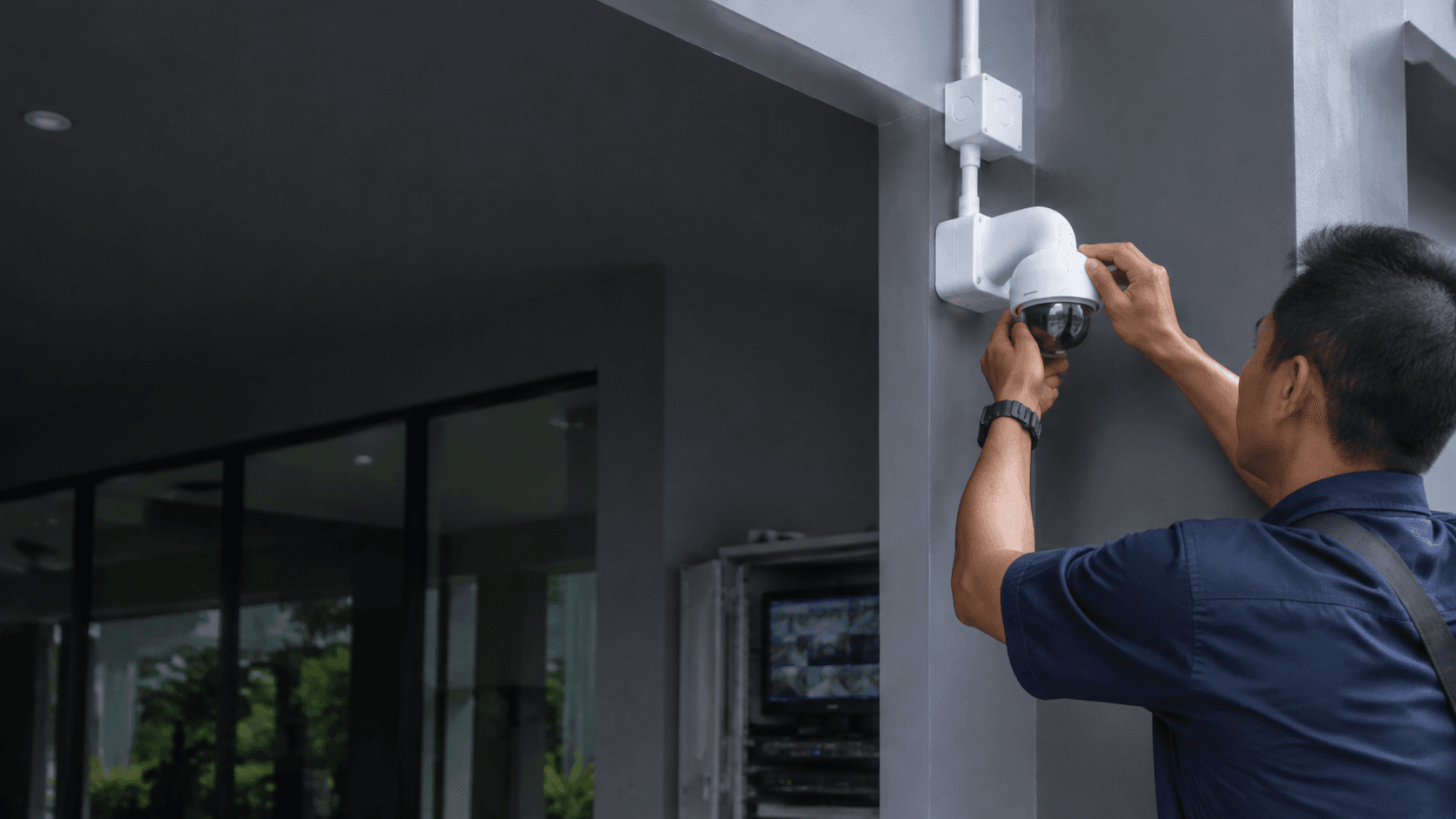
Installation quality often determines whether a CCTV camera delivers on its promise. Eyonic's process for CCTV installation in Sarawak includes a site survey, a system proposal, installation, and handover. The site survey stage is where lighting and placement get checked before any mounting happens.
Lighting deserves particular attention. Eyonic recommends checking actual lighting conditions before confirming placement for ColorVu-style cameras, which are designed to produce colour footage in low light. A camera positioned where a bright light shines directly into the lens will produce washed-out images, while one placed in deep shadow may never capture the detail it was chosen for.
The Kuching Immigration Office project illustrates how these considerations apply in practice. Eyonic supported a public office focused on arrival flow, staff areas, visitor movement, and dependable daily operation. That project involved more than mounting cameras; it required thinking about how people move through a space and where recording would provide the most useful evidence. The approximate budget for that type of work ranged from RM 12,000 to RM 28,000, which reflects the scale of a multi-camera public facility rather than a single-unit purchase.
Indoor and Outdoor Differences
Indoor CCTV camera units generally need less weather protection and can use smaller housings. Outdoor units must resist rain, dust, and temperature swings, which is why weatherproof ratings and infrared LEDs for night vision appear more often in outdoor specifications. A camera mounted under a covered porch still faces humidity and heat, so the environment rating should match the actual location, not just the label on the box.
Recording and Storage Trade offs
Storage capacity sets a practical limit on how long footage remains available. A single camera recording continuously at high resolution fills a hard drive faster than one recording only when motion occurs. Buyers should calculate the retention period they need, then choose storage that matches. Remote viewing adds another layer: accessing footage from a phone requires the recorder to be connected to the network and configured for secure access.
Making an Informed Choice About s
A CCTV camera purchase works best when the buyer matches the system to the site rather than chasing the highest specification. Start with the coverage map, confirm the lighting, and then select the camera type and storage that fit. For a business or public building, a site survey before purchase prevents costly mistakes in placement and cabling.
Eyonic's completed projects show the value of this approach. The KTA Sarawak Sdn Bhd project, for example, needed a practical office setup in Kuching to support staff movement, visitor handling, tidy cabling, and clearer daily site control. The approximate budget for that engineering consultancy setup ranged from RM 8,000 to RM 18,000. These figures indicate what a structured installation costs when it includes planning and tidy execution rather than just equipment.
The practical next step is to define the property type, the areas needing coverage, and the preferred way to review footage. With those details, a supplier can propose a system that fits the actual conditions. Eyonic's installation services page describes the process as moving from site survey through proposal, installation, and handover, which gives buyers a clear sequence to expect.